Understanding the Technical Foundations of bitcoin Forks
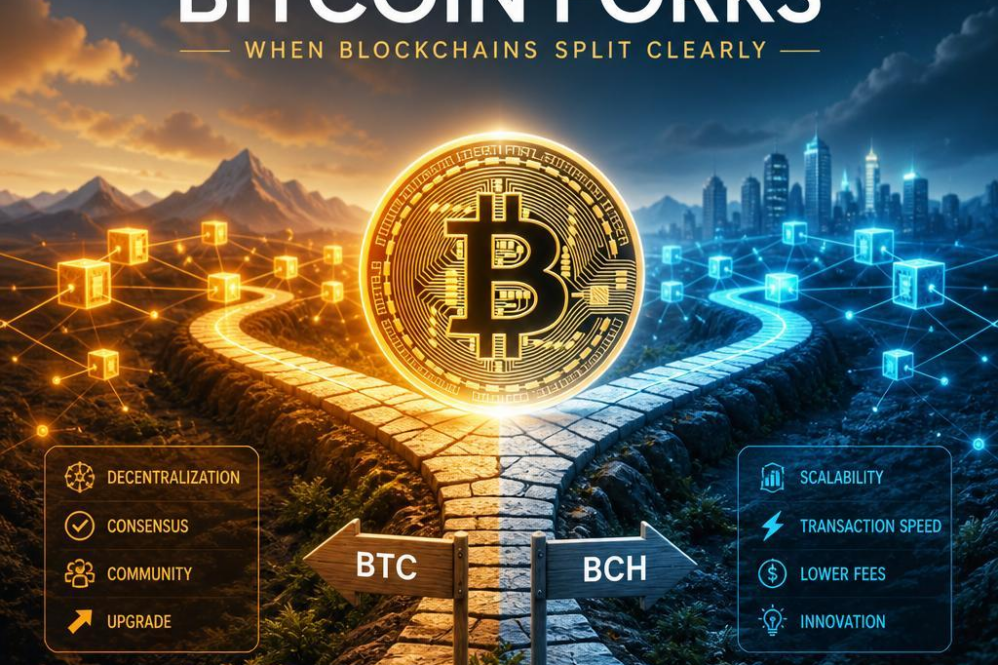
At the heart of blockchain technology lies a complex set of rules called a protocol, which governs everything from transaction validation to block creation. A fork occurs when changes to this protocol diverge, resulting in two or more separate chains sharing a common history but following different paths going forward.These divergences can be intentional implementations of upgrades or unintended consequences of incompatible changes made by different groups within the community.Understanding these foundations requires familiarity with cryptographic hashing, consensus algorithmsand network node behavior, all of which contribute to the stability and security of each chain.
Technical triggers for forks include:
- Protocol Updates: Introducing new features or fixing vulnerabilities often necessitates a fork to implement these changes without disrupting the entire network.
- Consensus disagreements: When the community cannot reach agreement on proposed changes, competing versions of the blockchain can emerge.
- Network Splits: Temporary connectivity issues or bugs can cause different nodes to accept different versions of a block, resulting in chain splits.
| Fork Type | Cause | Outcome |
|---|---|---|
| Soft Fork | Backward-compatible protocol change | Single chain, updated rules |
| Hard Fork | Non-backward-compatible change | Permanent chain split, two separate currencies |
| accidental fork | Temporary network discrepancy | Chain reorganization after resolution |
Analyzing the Economic and Community Impacts of Blockchain Splits
When a blockchain undergoes a split, the ripple effects extend far beyond the technical realm. Economically, the division often creates new market dynamics as investors and traders reassess their positions based on the perceived value and potential of each new chain. This can lead to increased volatility, with prices swinging sharply as confidence fluctuates. Miners and node operators may face tough decisions on which chain to support, impacting both revenue streams and network security.Moreover, split chains can sometimes generate new investment opportunities, but they also raise concerns about resource duplication and fragmentation of liquidity.
On the community front, blockchain splits often challenge the cohesion and shared vision of stakeholders. Divergent ideologies or technical priorities that spark splits may fracturing user bases, leading to contentious debates and rivalry.Developers might choose sides, creating parallel ecosystems that dilute collaborative innovation and strain social bonds within the broader crypto community. However,these splits can also foster healthy competition,spawning innovative features and use cases that might not emerge in a more centralized growth environment.
| Impact Category | Positive Effects | Negative effects |
|---|---|---|
| Economic |
|
|
| Community |
|
|
Evaluating the Security and Scalability implications of Fork Events
Fork events in bitcoin ecosystems bring both opportunities and challenges, deeply influencing the network’s security posture. Each fork creates a divergent ledger, potentially introducing vulnerabilities if nodes and miners fail to coordinate effectively. In particular, the coexistence of multiple chains can dilute hashing power, rendering smaller forks more susceptible to 51% attacks. This scenario endangers transaction finality and risks double-spending,underscoring the critical need for robust security measures during and after fork execution.
Scalability considerations arise prominently during forks, as the new chains must manage their own transaction throughput independently. While some forks aim to increase block sizes or adjust consensus rules to enhance scalability, these changes can inadvertently introduce overhead for network participants. Nodes may face increased storage demands and syncing times, which could reduce decentralization if only well-resourced operators can maintain full participation. the balance between scaling solutions and preserving network accessibility is a delicate and ongoing challenge.
| Fork Type | Security Impact | Scalability Effect |
|---|---|---|
| Hard Fork | High risk if not universally adopted | Potential for increased block size or features |
| Soft Fork | Generally safer, backward compatible | Limited changes, frequently enough improving efficiency |
| Chain Split | Hashrate division increases attack risk | Independent scaling; resource fragmentation |
Ultimately, stakeholders must carefully evaluate the trade-offs between advancing functionality and preserving the foundational security of bitcoin. Effective communication, thorough testingand community consensus are essential pillars to minimize disruptions and maintain trust. As forks continue to serve as instruments for innovation, their impact on network security and scalability remains a focal point for researchers and practitioners alike.
Best Practices for Investors and Developers Navigating bitcoin Forks
When engaging with bitcoin forks, both investors and developers must prioritize thorough research and due diligence. Understanding the technical nuances behind a fork-whether it is a soft fork or a hard fork-can significantly influence decision-making. Investors should analyse the rationale behind the fork,the community consensus,and potential impacts on the value of both resulting chains. Developers, on the other hand, need to review the code changes critically, test compatibilityand assess network security implications to ensure smooth transitions.
Effective risk management is essential to navigate the uncertainties forks introduce. Investors should maintain diversified cryptocurrency portfolios to mitigate potential losses if one fork underperforms. Staying updated through trusted channels and participating in community discussions can provide early warnings or insights about contentious forks. Developers should employ best practices such as comprehensive code audits and participate in testnet environments before updating software to avoid disruptions caused by buggy forks or network splits.
| Best Practice | Investors | Developers |
|---|---|---|
| Research | Analyze fork motivations and community support | Review and test new code changes thoroughly |
| Risk Management | Diversify holdings and hedge where possible | Conduct code audits and use testnets |
| Stay Informed | Engage with official announcements and forums | Collaborate with core developers and community |
- Clear communication between developers and investors facilitates smoother forks and less market volatility.
- Backup and safeguards: Always secure private keys before potential forks to avoid loss of access.
- Patience: Avoid rash decisions during fork events; give the ecosystem time to stabilize.