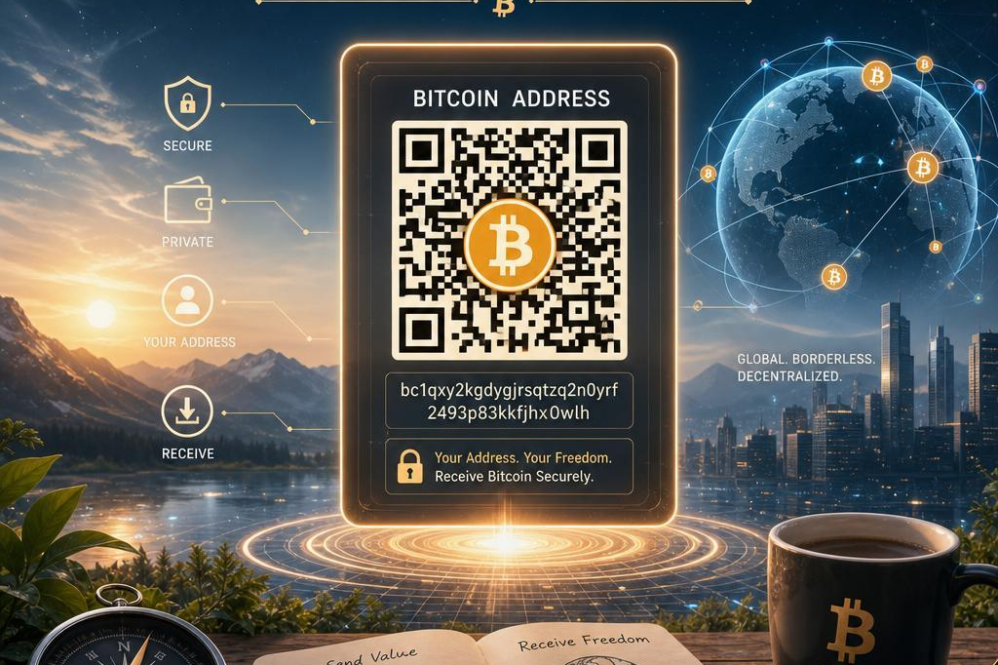
Understanding the Structure and Format of bitcoin Addresses
bitcoin addresses are unique identifiers that allow the transfer of bitcoin from one user to another. They serve as a destination for payments, functioning much like an email address dose for sending messages. A standard bitcoin address is composed of a string of alphanumeric characters generated through a complex cryptographic process.This ensures that each address is distinct and secure, reducing the risk of fraud or errors during transactions. Typically, bitcoin addresses start with specific characters which indicate their format type, influencing compatibility and transaction fees.
Understanding the key formats is essential for anyone dealing with bitcoin. There are three main types of addresses currently in use:
- P2PKH (Pay-to-PubKey-Hash): These addresses start with the number 1 and represent the legacy format most widely recognized in earlier bitcoin usage.
- P2SH (Pay-to-Script-Hash): Beginning with the number 3, these addresses facilitate more complex scripts, such as multisignature wallets, enhancing security.
- Bech32 (native SegWit): These are the newest addresses, starting with “bc1”, optimized for lower transaction fees and faster processing due to SegWit technology.
| Address type | Prefix | Benefits | Use Case |
|---|---|---|---|
| P2PKH | 1 | Broad compatibility | Legacy wallets and simple payments |
| P2SH | 3 | Supports multisig and advanced scripts | Enhanced security wallets |
| Bech32 | bc1 | Lower fees, faster processing | Modern wallets using SegWit |
Exploring the Different Types of bitcoin Addresses and Their Uses
bitcoin addresses function as the destinations for transactions on the blockchain, allowing users to send and receive the digital currency securely. There are several distinct types of addresses, each with their specific format and usage tailored to different technological standards and improvements. The most common formats are Legacy (P2PKH), Pay-to-Script-Hash (P2SH), and the newer Bech32 (SegWit) addresses. Legacy addresses start with a “1,” P2SH addresses start with a “3,” and Bech32 addresses start with “bc1,” reflecting their underlying transaction protocols and efficiency benefits.
- Legacy (P2PKH): The original address format, widely supported but less efficient in terms of transaction size and fees.
- P2SH: Designed to support multisignature and complex scripts, these addresses add versatility and increased security for advanced wallet configurations.
- Bech32 (SegWit): The latest address type,reducing transaction fees and increasing processing speed thanks to Segregated Witness protocol improvements.
| Address Type | Prefix | Use Case | Benefits |
|---|---|---|---|
| Legacy (P2PKH) | 1 | Standard transactions | broad compatibility |
| P2SH | 3 | Multisignature & scripts | Enhanced flexibility |
| Bech32 (SegWit) | bc1 | Cost-effective payments | Lower fees, faster |
Best Practices for Securing and Managing Your bitcoin address
When it comes to managing your bitcoin address, the foremost priority is safeguarding your private keys. These keys are the linchpin of your cryptocurrency control, granting access to your funds. Employing hardware wallets or secure offline storage methods ensures that your keys remain protected from digital threats. Additionally, always use strong, unique passwords for wallet applications and avoid reusing them across multiple platforms. Multi-factor authentication (MFA) is another critical layer of security that can thwart unauthorized access attempts.
Another essential practice is the regular monitoring of your bitcoin address activity. Keeping a vigilant eye on incoming and outgoing transactions helps you detect any suspicious behavior early on. Utilize blockchain explorers and wallet notifications to stay updated in real time. Additionally, avoid sharing your bitcoin address openly on public forums or social media unless absolutely necessary to reduce exposure to phishing and scam attempts.
Understanding transaction fees and confirmation times also plays a vital role in managing your bitcoin effectively. Fees fluctuate based on network demandand setting appropriate fees ensures your transactions are processed promptly without overspending. The table below summarizes key fee priorities and their typical confirmation times for quick reference:
| Priority | Typical Fee Rate (sat/vByte) | Estimated Confirmation Time |
|---|---|---|
| High | 80-150 | Within 10 minutes |
| Medium | 40-80 | 30 minutes to 1 hour |
| Low | 10-40 | Several hours to 1 day |
How to Verify and Avoid Common Pitfalls with bitcoin Address Transactions
When sending bitcoin, one crucial step often overlooked is verifying the address before initiating any transaction. A single mistyped character or missing symbol can lead to irreversible loss of funds, as transactions on the blockchain are immutable. To avoid such costly mistakes, it’s recommended to copy and paste the bitcoin address rather than typing it manuallyand double-check the first and last few characters for consistency.Advanced users often use address QR codes or trusted wallet autofill features to ensure accuracy.
Understanding the different bitcoin address formats and their use cases can dramatically reduce errors.For example, addresses starting with “1” are legacy addresses, while those beginning with “3” or “bc1” represent SegWit formats, which offer benefits such as lower fees and faster processing. Sending bitcoin to the wrong address type or one generated on an incompatible platform can delay or block the transaction. Below is a quick comparison to help you identify the main address types:
| Address Type | Prefix | use Case | Compatibility |
|---|---|---|---|
| Legacy | 1 | Old wallets and exchanges | Universal, higher fees |
| SegWit (P2SH) | 3 | Most wallets, cost-efficient | Widely compatible |
| Native SegWit (Bech32) | bc1 | Modern wallets, lowest fees | Limited on legacy platforms |
always verify the recipient’s address independently, especially if you receive it via email or messaging apps prone to cyberattacks. Phishing attempts or malware can manipulate addresses to divert funds to fraudulent accounts. In addition, always confirm the transaction amount and network fees on your wallet interface before confirming. By implementing these cautious and systematic practices, you can significantly reduce the risk of common pitfalls associated with bitcoin address transactions.

![Bitcoin [btc] in the era of the free market; should welcome crypto-competition and not chide it](https://ohiobitcoin.com/storage/2019/05/EH0kzU.jpg "Bitcoin [btc] in the era of the free market; should welcome crypto-competition and not chide it")