The Perils of Digital Storage for Cryptocurrency Owners
Digital storage of cryptocurrencies like bitcoin can present a myriad of risks for owners who prefer convenience over security. The most common threat looms from malicious actors trying to exploit vulnerabilities in software or hardware. These hackers frequently enough target digital wallets, where private keys are stored electronically and susceptible to malware attacks. Phishing scams also pose meaningful danger; they trick users into revealing their private key information through fake login pages or deceptive emails.
Physical mediums like USB drives might not seem as risky, but even they aren’t foolproof.A single slip of the finger could physically damage a wallet containing your precious digital assets. Moreover, storing data on such devices can still leave them vulnerable to certain types of cyber threats if connected to the internet.This is where conventional backups fall short in providing adequate security for valuable assets.
In contrast, paper wallets offer an intriguing alternative that mitigates many risks inherent with digital storage solutions. By literally writing or printing your private key onto a tangible piece of paper, you avoid exposing yourself to common online dangers like hacking and theft through the internet. Storing these keys offline ensures that they remain impervious to malware attacks and other cyber intrusions. The simplicity and durability of a paper wallet make it an attractive option for cautious cryptocurrency holders looking to secure their investments without overly complex methods.
| Storage Method | Risk Level |
|---|---|
| Digital Wallets (Online) | Highest |
| USB Drives for Offline Storage | Moderate |
| Paper Wallets | Lowest |
How Paper Wallets Offer Physical Security Against Cyber Threats
When discussing digital security for cryptocurrency holdings, paper wallets represent a tried-and-true method of safeguarding funds from cyber threats. By converting your private keys into QR codes and printing them onto physical paper, you create an unconnected entity that is immune to hacking attempts online. This method is especially appealing in the era where sophisticated phishing schemes and malware are commonplace.
Private key storage on paper wallets ensures that no digital footprint exists linking your bitcoin or other cryptocurrencies to any internet-connected device, thus cutting off potential attack vectors completely.Safeguarding these physical documents requires common-sense measures such as securing them in a fireproof safe, using tamper-evident seals, and maintaining copies at separate, secure locations.
| Security Measure | Description |
|---|---|
| Encrypted Safe | Store your paper wallets in a safe with an encryption lock for maximum security. |
| Tamper-Evident Seals | Use security envelopes or labels that indicate if someone has tampered with the contents. |
While paper wallets provide robust protection offline,it’s crucial to balance this approach with modern backup strategies and security practices to ensure your assets remain as safe as possible in today’s ever-changing digital environment.
Crafting Your Own Paper Wallet Safely: A Step-by-Step Guide
Crafting your own paper wallet for bitcoin storage is an age-old practice that offers a straightforward way to hold your cryptocurrency securely offline. While many companies offer pre-made options, creating one at home can assure you of its purity and security features. The process involves generating both private keys and addresses using reliable software and printing them out on high-quality paper.
To begin with the setup for your custom paper wallet, start by ensuring that your computer is completely isolated and secure from any network activity to prevent keystroke logging or other forms of malware interception. Use a hardware device like a Raspberry Pi if you can, as these are designed with security in mind. Once your environment is cleared, download a reputable bitcoin private key generator, such as bitaddress.org, directly onto the hard drive. This avoids downloading any potentially malicious scripts through web browsers.
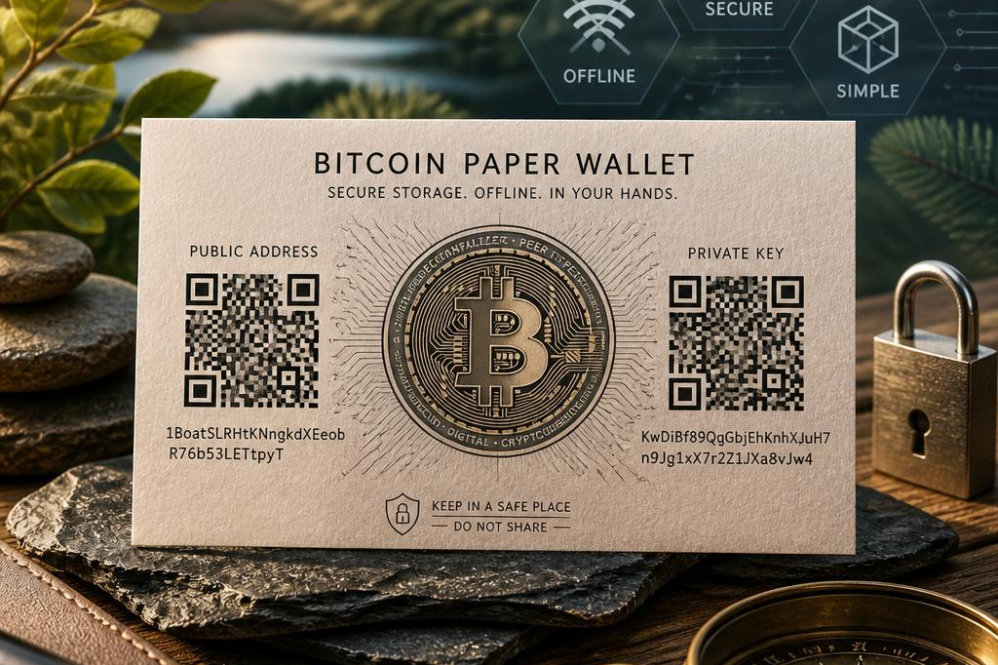
After setting up your secure environment and software,proceed to generate your unique private keys and public addresses. Most generation tools will provide you with QR codes for both encryption methods so that you can easily import them into a digital wallet if needed. Here’s an example of what the printed paper might look like:
| Section | Details |
|---|---|
| Private Key | Your unique, secret key. Keep it safe; don’t share. |
| Public Address (bitcoin or Altcoin) | The address where people can send you bitcoin. |
| 2FA QR Code | An optional extra layer of security for digital wallets. |
Printing your wallet is the final step, but ensure that you’re using trusted ink. Use acid-free paper and black printer toner to reduce the risk of fading or tampering over time. If possible, laminate your printed key before storing it in a secure location away from water, heator fire-essentially mimicking a safety deposit box environment for ultimate peace of mind.
Storing bitcoin Offline Using Paper Wallets: Best Practices and Tips
paper wallets can offer a layer of security that digital storage methods may lack.Paper wallets are essentially physical documents that contain a public and private key for managing your cryptocurrency assets. These keys should be kept in a safe place, such as a fireproof box or safety deposit vault, away from electronic devices to prevent theft via malware. Storing keys on paper also mitigates the risk of digital hacking attempts.
Creating and using a paper wallet involves several steps that require care and precision. Firstly, you need to generate the key pair accurately by using reputable software tools like BitAddress.org or Bitcoinpaperwallet.com. It’s important to ensure your computer is isolated from networks and potential malware during this process. Once printed, handle the document with clean hands and avoid leaving it in places where it could become compromised. consider creating multiple copies of the paper wallet so that at least one backup copy can be stored separately.
To enhance security further, you might use a technique called shamir secret sharing, which allows splitting your private key into several smaller pieces that individually cannot reveal any part of the password. This method requires multiple copies to be kept in different secure locations, making unauthorized access significantly harder. Always remember to regularly review and possibly update where you store your paper wallet backups to safeguard against potential risks like natural disasters or personal relocation.
Table 1: Paper Wallet Security Checklist
| Step | Action |
|---|---|
| Create keys | Use secure software; isolate from the internet. |
| Select storage | Choose a fireproof location or safe deposit box. |
| Maintain backups | Create copies and place them in separate, secure locations. |