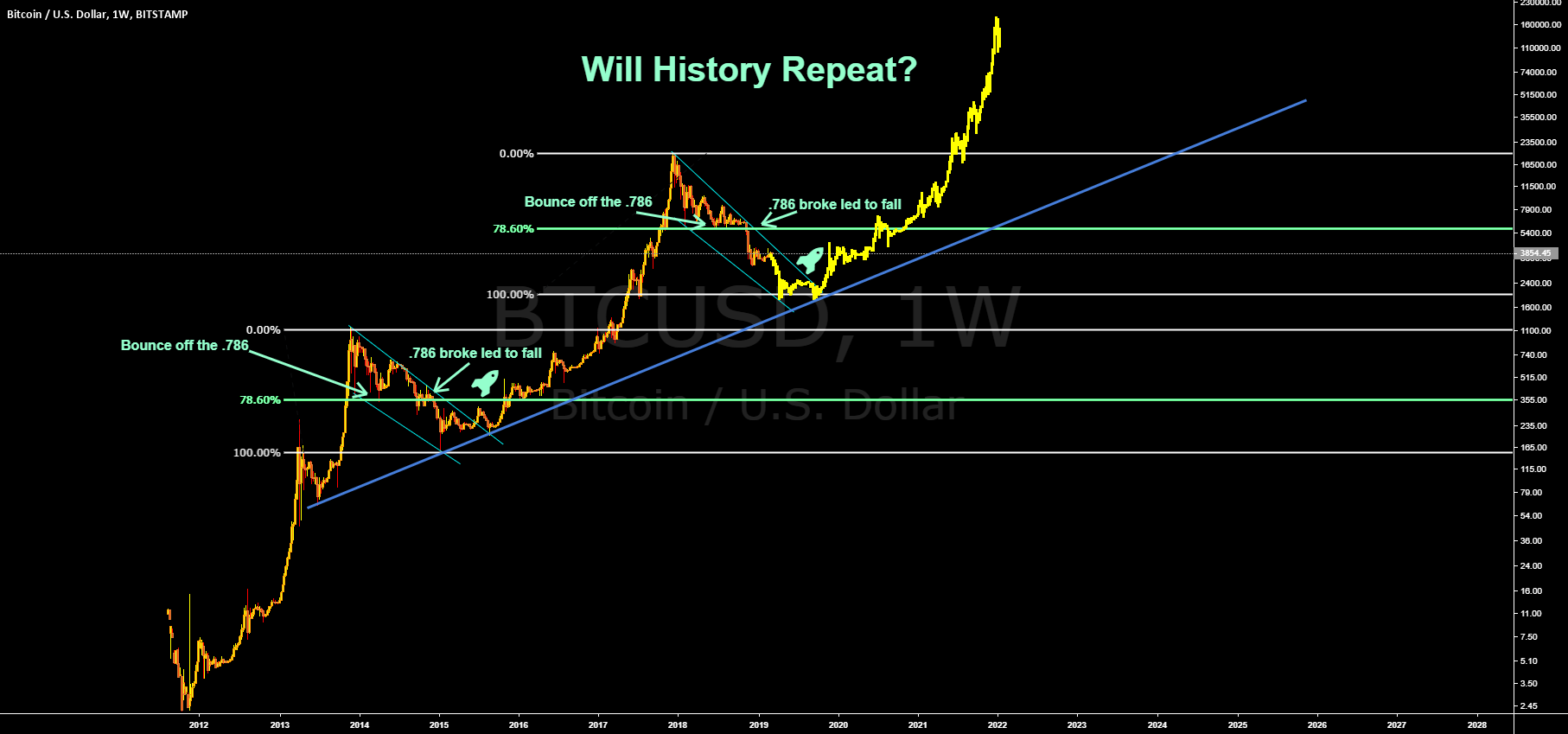
Historic Context and Significance of the First bitcoin Halving
In November 2012, bitcoin underwent it’s inaugural halving event, a pivotal moment that reshaped the cryptocurrency landscape forever. This mechanism, embedded in bitcoin’s original protocol by creator Satoshi Nakamoto, was designed to curb inflation by reducing the reward miners receive for verifying transactions by 50%. At the time, miners earned 50 BTC per block; post-halving, this was cut to 25 BTC. This sudden shift had profound implications not only for miners but also for the perception of bitcoin’s long-term value proposition.
The first halving set several precedents:
- It confirmed the decentralized and automatic control of bitcoin’s supply schedule, distinguishing it from traditional fiat currencies.
- It marked the beginning of heightened market speculation, with investors recognizing bitcoin as a deflationary asset.
- It tested network resilience and miner incentives, pushing the ecosystem to adapt to reduced rewards without sacrificing security.
| Year | pre-Halving reward (BTC) | Post-Halving Reward (BTC) | Total BTC Mined |
|---|---|---|---|
| 2012 | 50 | 25 | 10.5 million |
This event reinforced bitcoin’s engineered scarcity, fundamentally altering economic dynamics and fueling a surge in both awareness and adoption. The 2012 halving demonstrated the protocol’s ability to enforce monetary discipline automatically, a feature that would captivate communities worldwide and frame bitcoin not merely as digital money but as “digital gold.” Understanding this historic moment provides critical insight into the enduring architecture of bitcoin’s economic model.
Technical Mechanics Behind the 2012 bitcoin Halving Event
The 2012 bitcoin halving marked a pivotal technical milestone that fundamentally transformed the network’s economic incentives.at block 210,000, the reward for mining a new block was algorithmically reduced from 50 BTC to 25 BTC. This predefined event, embedded within bitcoin’s protocol, was designed to control inflation by limiting the supply of new bitcoins introduced to the market. The procedure relies on a consensus mechanism that ensures all nodes across the network simultaneously enforce this reduction-maintaining bitcoin’s decentralized ethos while enforcing scarcity.
From a mechanics perspective, miners experienced an immediate impact on their revenue model. The halving directly cut the block subsidy, which forms a substantial part of miners’ income alongside transaction fees.Despite reducing miner rewards, the event spurred competitive optimizations, including:
- hardware upgrades: increased adoption of ASIC miners that delivered extraordinary hash rates and energy efficiency;
- Mining pool formation: enhanced cooperative mining efforts to smooth income volatility;
- software improvements: more efficient mining algorithms and better network propagation speeds.
| Parameter | Pre-Halving | Post-Halving |
|---|---|---|
| Block reward | 50 BTC | 25 BTC |
| Block Height | 209,999 | 210,000 |
| Protocol Consensus | Unchanged | Enforced Halving |
| Market Scarcity | Lower | Increased |
impact of the Halving on bitcoin Supply and Mining Incentives
The halving event fundamentally reshaped the issuance rate of new bitcoins,reducing the block reward from 50 to 25 bitcoins per block. This purposeful contraction in supply growth created a scarcity effect that altered market dynamics.By cutting the inflation rate of bitcoin’s supply, the halving underscored the protocol’s commitment to limiting total supply to 21 million coins, which is essential for preserving its deflationary nature and long-term store of value proposition.
From the perspective of mining incentives, the halving introduced a critical shift in the profitability landscape. Miners previously rewarded with 50 BTC per block had to adjust to receiving only half the amount, compelling many to optimize operational efficiencies or reconsider their participation in the network. this reduction incentivized a technological arms race, pushing for improved hardware performance and lower electricity costs to maintain competitive margins.
Key consequences of the halving include:
- Increased scarcity: The rate of new bitcoins entering circulation was halved, reinforcing scarcity.
- Mining competition: Smaller or less efficient miners faced pressure, leading to network consolidation.
- Market psychology: Anticipation of reduced supply ofen spurred speculative buying, impacting price finding.
| Aspect | Pre-Halving | Post-Halving |
|---|---|---|
| Block Reward (BTC) | 50 | 25 |
| New Bitcoins per day | 7,200 | 3,600 |
| Mining Profitability | Higher | Challenged |
| Network Security | Stable | Maintained |
Market Reactions and Price Trends Following the First Halving
The aftermath of the 2012 bitcoin halving sent shockwaves through the cryptocurrency market,swiftly altering investor behavior and reshaping price trajectories. Initially, there was a period of heightened volatility as traders, minersand analysts digested the implications of reduced block rewards. This fluctuation reflected the uncertainty around how demand would respond to a supply contraction now enforced by protocol. despite this turbulence, the scarcity effect soon became evident, underpinning a steady gratitude in bitcoin’s value over the subsequent months.
market data from this era underscores the halving’s catalytic role in bitcoin’s price trends. Before the event, prices hovered around $12 per BTC; within a year, the price surged past $120. This tenfold increase can largely be attributed to miners’ reduced selling pressure and growing public enthusiasm, prompted by media coverage and the expanded adoption of bitcoin as a digital asset. The following table summarizes bitcoin’s price movements in relation to the halving event:
| Timeframe | bitcoin Price (USD) | Price Movement |
|---|---|---|
| 1 Month Pre-Halving | $12 | Stable |
| 1 Month Post-Halving | $14 | +16.7% |
| 6 Months Post-Halving | $50 | +316.7% |
| 12 Months Post-Halving | $120 | +900% |
Furthermore, qualitative market reactions reflected a growing confidence in bitcoin’s long-term value proposition. Institutional interest remained nascent but began trickling in, while retail investors embraced the narrative of bitcoin as “digital gold.” Industry commentators frequently cited the halving as a pivotal moment, reinforcing the concept that bitcoin’s protocol-driven scarcity sets it apart from traditional inflationary currencies. This collective sentiment helped foster an upward momentum that laid the foundation for future bull markets.
- Increased Media Attention: Amplified awareness and public interest.
- Mining Community Response: Initial miner capitulation followed by adaptation.
- Enhanced Price Support: Reduced supply contributing to stronger price floors.
Long-Term Implications for bitcoin’s Monetary Policy and Security
The 2012 halving marked a pivotal moment that set the trajectory for bitcoin’s monetary policy, embedding in its design an unwavering scarcity model. By cutting the block reward in half,the protocol ensured a systematic reduction in the rate of new coin issuance,mirroring a deflationary asset with predictable supply constraints. This scarcity mechanism enhances bitcoin’s value proposition by counteracting inflationary pressures typical of fiat currencies, thereby establishing a robust store of value paradigm that continues to influence investor confidence and market dynamics.
Security-wise, the halving introduced significant implications for the network’s consensus mechanism. As mining rewards decreased, miners had to adapt by optimizing operational efficiencies and embracing more advanced hardware to maintain profitability. This shift escalated competition within the mining ecosystem, resulting in greater decentralization and resilience of the network.Though, the transition also raised concerns about potential centralization risks if only large-scale operators could sustain the reduced incentives, prompting continuous evaluation of the balance between economic incentives and network security.
Key takeaways from the first bitcoin halving:
- Decreased Supply Inflation: Reduction in new bitcoin issuance by 50%, solidifying scarcity.
- Mining Landscape Evolution: Increased competition and innovation among miners to offset lower rewards.
- Long-Term Security Dynamic: Dependency on transaction fees expected to grow as block rewards diminish.
| Aspect | Pre-halving | Post-Halving |
|---|---|---|
| Block Reward | 50 BTC | 25 BTC |
| New Bitcoins per Day | 7,200 BTC | 3,600 BTC |
| Mining Revenue Focus | Block reward Dominant | Greater transaction Fee Importance |
Strategic Recommendations for Investors in Post-Halving Environments
Post-halving periods represent crucial turning points for investors seeking to capitalize on the shifting economic landscape of bitcoin. Following the reduction in mining rewards, supply constraints frequently enough lead to heightened volatility and new price discovery phases. Savvy investors should focus on long-term portfolio diversification, balancing bitcoin exposure with complementary assets such as altcoins, commoditiesor traditional equities to mitigate risk while capturing potential growth.
Market sentiment and historical patterns can serve as valuable guides, but should not be the sole basis for decision-making.Engaging in prudent risk management techniques, including setting well-defined entry and exit points and utilizing stop-loss orders, can protect capital from sharp corrections.Moreover, staying attuned to technological advancements and regulatory updates ensures that investment strategies remain adaptive and resilient in the rapidly evolving crypto ecosystem.
Below is a concise overview of strategic considerations for investors navigating the aftermath of a bitcoin halving:
- Monitor mining activity: Changes in hash rate can indicate miner behavior shifts affecting network security and price dynamics.
- Assess market cycles: Understanding previous halving trends aids in projecting potential bull and bear phases.
- Leverage dollar-cost averaging: Reduces the impact of volatility on investment cost basis.
- Stay informed on policy developments: regulatory clarity can substantially influence institutional participation.
| Strategy | Benefits | Potential Risks |
|---|---|---|
| Long-term Holding | capitalizes on sustained price appreciation | Exposure to market downturns |
| Active Trading | Opportunities for short-term gains | Higher transaction costs and timing risk |
| Diversification | Reduces portfolio volatility | May dilute bitcoin’s upside |
| Staying Updated | Informed decision-making | Information overload and analysis paralysis |