the Volatility Factor and Market Behavior of bitcoin
bitcoin’s price movements are notoriously volatile, frequently enough experiencing dramatic swings within short timeframes. This volatility stems from several factors including speculative trading, regulatory announcements, market sentiment shiftsand technological developments. Unlike conventional assets, bitcoin lacks intrinsic valuation metrics, making its market behavior largely driven by psychology rather than fundamentals. Investors must recognise that such fluctuations can lead to both rapid gains and steep losses.
Key contributors to bitcoin’s volatility include:
- Market liquidity variations that amplify price changes.
- Macro-economic influences like inflation fears or currency devaluations.
- News cycles triggering sudden shifts in investor confidence.
- Technological changes affecting network security or scalability.
| Volatility Factor | Impact Description | Example |
|---|---|---|
| Speculative Trading | Creates sharp spikes and drops based on market hype. | price surges after major endorsements. |
| Regulatory News | Can lead to sudden market corrections. | Bans or restrictions in large economies. |
| Technological Updates | Affects network trust and scalability perception. | Fork announcements impacting usability. |
Understanding the underlying causes of bitcoin’s volatility is crucial for any investor weighing the risks and rewards of this asset class. While the market behavior can seem unpredictable, the patterns often reflect broader economic and technological contexts. Knowledge of these dynamics empowers investors to make more informed decisions rather than reacting impulsively to market noise.
assessing Regulatory and Security Risks in Cryptocurrency Investment
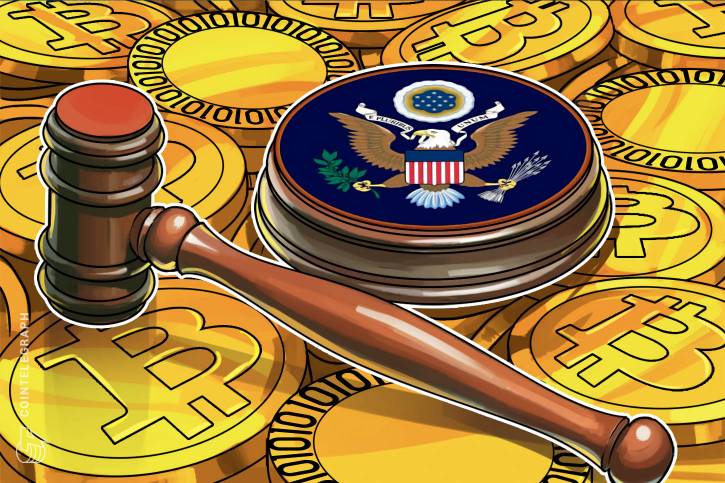
Investing in bitcoin requires navigating a complex landscape of regulatory frameworks that vary sharply across different jurisdictions. Governments are continually adjusting their stance on cryptocurrencies, often enacting new laws to address concerns related to money laundering, tax evasionand consumer protection. For instance, some countries have embraced regulatory clarity, fostering innovation and adoption, while others have imposed stringent restrictions or outright bans. This turbulent regulatory habitat substantially impacts market sentiment and the long-term viability of bitcoin as an investment.
Key regulatory considerations include:
- Compliance requirements: KYC (Know Your Customer) and AML (Anti-Money Laundering) rules demand increased transparency in transactions.
- tax implications: Classification of bitcoin varies from asset to currency, influencing capital gains taxes and reporting obligations.
- Legal uncertainties: Evolving legal interpretations can affect ownership rights and how exchanges operate.
| Risk Factor | Description | Potential Impact |
|---|---|---|
| Regulatory Crackdowns | government bans or restrictions on trading/exchanges | Price volatility, decreased liquidity |
| Security Vulnerabilities | Exploits such as hacking of wallets or exchanges | Loss of assets, investor distrust |
| Legal ambiguities | Unclear laws on asset classification and reporting | compliance challenges, fines |
Security risks pose another critical challenge when investing in bitcoin. While blockchain technology itself is inherently secure, the surrounding infrastructure-such as exchanges, walletsand third-party services-can be vulnerable to attacks. The risk of hacking, fraud, and technical failures requires investors to adopt strong security practices. Using hardware wallets, enabling multi-factor authentication, and choosing reputable platforms are essential measures that can mitigate potential losses.
Evaluating Long-Term Growth Potential and Technological Developments
When considering bitcoin’s potential over the long haul, it is essential to understand the dynamic interplay between its foundational technology and the broader financial ecosystem. bitcoin’s underlying blockchain technology continues to evolve, with developments such as the Lightning network aiming to enhance scalability and transaction speed.These technological upgrades could significantly reduce fees and improve usability, making bitcoin more practical for everyday transactions and not just as a speculative asset.
Looking ahead, several factors could influence bitcoin’s growth trajectory:
- Adoption Trends: Increasing institutional interest and acceptance by mainstream merchants amplify bitcoin’s utility and legitimacy.
- Regulatory Landscape: Clarity and regulatory frameworks across different countries may either propel or stifle its expansion.
- Technological Innovation: Ongoing improvements in security protocols and network efficiency bolster confidence in bitcoin’s infrastructure.
| Progress | Impact | Timeline |
|---|---|---|
| Lightning Network | Faster, cheaper transactions | Ongoing |
| Taproot Upgrade | Enhanced privacy and smart contract capabilities | Implemented in 2021 |
| Institutional Adoption | Greater liquidity and market depth | Increasing as 2020 |
Strategic Approaches for Mitigating Risks and Maximizing Returns
When navigating the volatile world of bitcoin, investors must adopt a multifaceted strategy to both safeguard their capital and capitalize on opportunities. One key approach involves rigorous portfolio diversification, which helps spread risk across different asset classes, reducing exposure to bitcoin’s inherent price swings. Coupling bitcoin investments with more stable assets like bonds or real estate can cushion adverse market impacts while preserving growth potential.
Another crucial tactic is the implementation of dynamic risk management tools. Techniques such as setting stop-loss orders and taking profits at predetermined thresholds allow investors to lock in gains and limit losses systematically. Additionally, staying informed through technical analysis and macroeconomic indicators helps anticipate market corrections or rallies, enabling timely adjustments to holdings.
| Strategic Element | Purpose | Effectiveness |
|---|---|---|
| Diversification | Reduce volatility exposure | High |
| Stop-Loss Orders | Limit downside risk | Medium to High |
| market Analysis | Inform decision-making | high |
maintaining a long-term viewpoint anchored by continuous education and adaptability proves indispensable. Markets evolveand so should investment strategies. Emphasizing patience over impulsive trading, investors who understand bitcoin’s underlying blockchain technology and regulatory trends will be better equipped to navigate sudden shifts. Prosperous bitcoin investing demands both vigilance and a calculated balance between risk tolerance and return expectations.