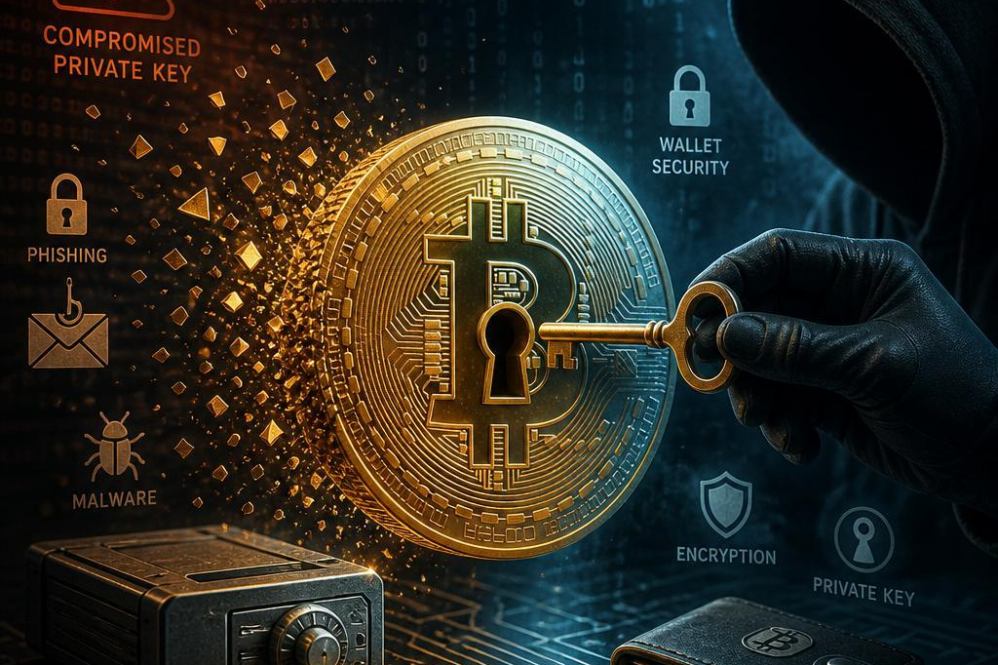
The Vulnerability of Private Keys and How Theft Occurs
At the core of bitcoin’s security lies the private key, a cryptographic code that grants ownership and control over digital assets.The moment this key is exposed or compromised, an attacker can seize full control of the associated bitcoin wallet. Unlike customary banking, where fraud protection and recovery options exist, control over bitcoin is absolute and irreversible once a private key is stolen.This unique characteristic makes private keys exceptionally vulnerable if not carefully safeguarded.
Common methods leading to key theft include:
- Phishing attacks: Fraudsters trick users into revealing keys or seed phrases through fake websites or emails.
- Malware and keyloggers: Malicious software can record keystrokes or infiltrate wallets stored on devices.
- Physical theft or loss: Storing keys on unsecured devices or losing hardware wallets can lead to irreversible loss.
- Exploited software vulnerabilities: Bugs in wallet software or exchanges can expose private keys to hackers.
| Type of Threat | Attack Vector | Mitigation |
|---|---|---|
| Phishing | Fake URLs, Emails | verify URLs, Use 2FA |
| Malware | Keyloggers, Trojans | Antivirus, Hardware Wallet |
| Physical Loss | Unsecured Storage | Cold Storage, Backup |
| Software Bugs | Wallet/Exchange Flaws | Update Software, Audit |
Common Methods Used by Hackers to Compromise bitcoin Wallets
One of the primary strategies cybercriminals deploy to gain unauthorized access to bitcoin wallets is phishing attacks. These attacks involve deceptive communications, ofen via emails or fake websites, that mimic legitimate services to trick users into revealing their private keys or seed phrases. Once the hacker secures this information,they can swiftly transfer funds without any chance of recovery for the victim. Users are urged to verify URLs and avoid clicking on unsolicited links to mitigate this risk.
Malware is another potent tool in a hacker’s arsenal. sophisticated spyware or keyloggers can infiltrate a user’s device through compromised downloads or infected attachments, silently recording keystrokes or taking screenshots of wallet credentials. this silent theft leaves victims unaware until their bitcoin balances suddenly diminish. Employing strong antivirus programs and keeping software updated are critical defenses against such threats.
The table below highlights common methods hackers use and the corresponding safeguards recommended:
| Attack Method | Description | Recommended Protection |
|---|---|---|
| Phishing | Fake sites/emails requesting private keys. | Verify URLs; use two-factor authentication. |
| Malware | Keyloggers and spyware capturing credentials. | Install antivirus; update software regularly. |
| Social Engineering | Manipulating victims to disclose secrets. | Stay cautious; never share keys. |
Strategies to safeguard Your Private Keys from Unauthorized Access
Protecting your private keys is paramount to preserving control over your bitcoin holdings. One of the most effective measures is to utilize hardware wallets. These physical devices store private keys offline, significantly reducing exposure to hacking attempts or malware that target software wallets. Coupling hardware wallets with a secure, memorable recovery phrase stored in a separate, safe location further strengthens the defense against unauthorized access.
Another crucial strategy involves maintaining diligent operational security practices. This includes using strong, unique passwords for all cryptocurrency-related accounts and enabling two-factor authentication (2FA) wherever possible. Additionally, avoiding public Wi-Fi when accessing wallets and ensuring that your devices are regularly updated with the latest security patches can minimize vulnerabilities. Implementing encryption for local backups of your private keys adds another vital layer of protection.
For those managing multiple assets or users, structured key management policies are essential. The following table illustrates an exmaple framework that balances accessibility and security, making it easier to audit and control access without compromising the secrecy of private keys:
| Access Level | Key Storage Method | security Measure |
|---|---|---|
| Personal Use | Hardware wallet + offline backup | PIN + recovery phrase in safe |
| Team Collaboration | Multi-signature wallet | Distributed keys + multi-factor authentication |
| cold Storage | air-gapped device | Physical security + encrypted backup |
Best Practices for Recovering and Protecting Your bitcoin Assets
In the world of bitcoin, safeguarding private keys is paramount. As possession of these keys equates to control over your cryptocurrency, losing them or having them stolen can mean irreversible loss. It’s essential to adopt robust storage methods such as hardware wallets, cold storageor multi-signature wallets to mitigate risks. These options significantly reduce exposure to malware, phishing attacksand hacking attempts by keeping your keys offline or requiring multiple approvals before transactions.
Recovery plans are as crucial as prevention. regular backups of wallet data should be encrypted and stored in multiple secure locations, distinct from your primary storage.It’s advisable to use mnemonic seed phrases and secure passphrase combinations, but also ensure they aren’t saved digitally without encryption. Exercising caution in sharing recovery information-even with trusted parties-can prevent unauthorized access. Below is a concise table highlighting key recovery strategies:
| Method | Benefit | Key Considerations |
|---|---|---|
| Hardware Wallet | Offline storage & added physical layer of security | Purchase from reputable vendors; keep device firmware updated |
| Encrypted Backups | Secure redundancy for disaster recovery | Use strong encryption; store in multiple geographically distant sites |
| Multi-signature wallets | Protects against single point of failure | Requires coordination among co-signers; plan for signer availability |
ongoing vigilance is necessary. Regularly updating security protocols and keeping aware of emerging threats in the crypto space ensures your bitcoin assets remain protected. By combining physical security, encrypted backups, and multi-layered authorization systems, you build a resilient framework that significantly minimizes risks of compromise, helping maintain the integrity and value of your holdings.
![Tracking an item through a supply chain with bitcoin [btc]](https://ohiobitcoin.com/storage/2019/01/qKowRm.jpg "Tracking an item through a supply chain with bitcoin [btc]")