bitcoin Block Rewards Halving and Its Impact on Miner Incentives
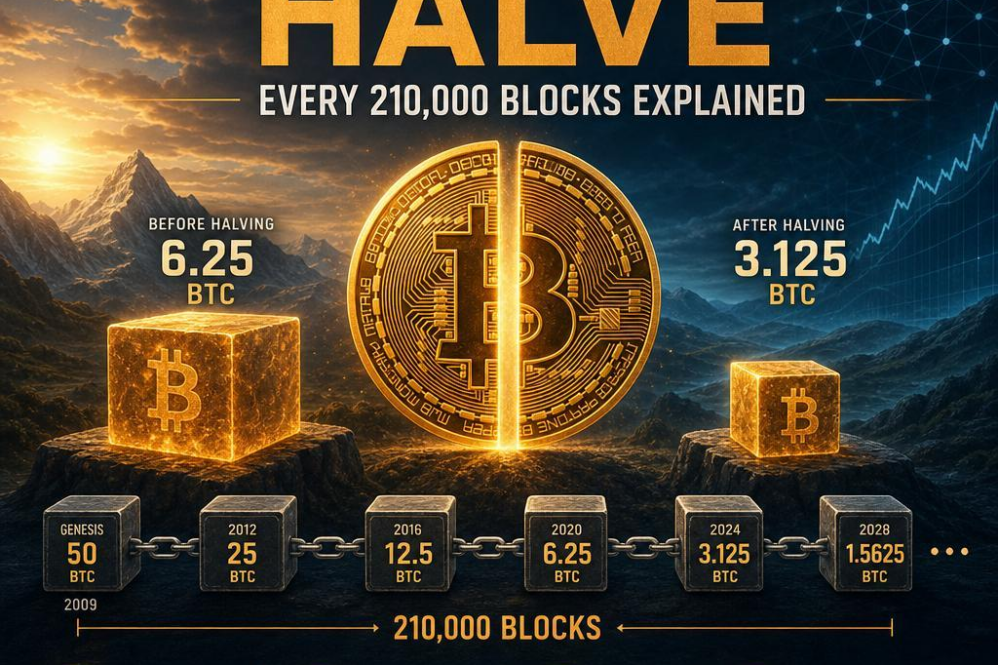
Every 210,000 blocks,the bitcoin network undergoes a notable event that reshapes the economic incentives for miners: the block reward halving. This mechanism,embedded in bitcoin’s protocol,reduces the reward miners receive for successfully validating a block by 50%. Initially set at 50 BTC per block, the reward has halved multiple times – dropping to 25, then 12.5and currently 6.25 BTC.This scheduled reduction not only controls bitcoin’s supply inflation but also fundamentally alters miners’ revenue dynamics, compelling them to adapt to a new reward landscape while maintaining network security.
Miner incentives are directly tied to block reward levels, transaction feesand operational costs. When the reward decreases, miners must rely increasingly on transaction fees to uphold profitability. This shift can lead to heightened competition and efficiency improvements within the mining sector. Miners typically respond by optimizing their hardware, reducing energy usageor relocating to regions with cheaper electricity. Additionally, the halving event often acts as a catalyst for market anticipation, influencing bitcoin’s price as investors digest the implications of a reduced token issuance rate.
Below is a fast overview of how miner rewards have evolved through recent halvings:
| halving Event | Block Height | Block Reward (BTC) | Year |
|---|---|---|---|
| 1st Halving | 210,000 | 25 | 2012 |
| 2nd Halving | 420,000 | 12.5 | 2016 |
| 3rd Halving | 630,000 | 6.25 | 2020 |
Understanding these cycles highlights the delicate balance bitcoin maintains between scarcity, miner motivationand network security – all critical factors that influence its long-term sustainability and value proposition.
The Mechanism behind bitcoin Halving Every 210000 Blocks
bitcoin operates on a decentralized network where miners compete to add new blocks to the blockchain. The reward for mining each block initially stood at 50 BTC but undergoes a systematic reduction approximately every 210,000 blocks, a period roughly equating to four years. This halving mechanism is embedded in the bitcoin protocol by its creator, ensuring the cryptocurrency’s supply inflation follows a predictable path without external intervention.
The halving event occurs as the bitcoin network is programmed to reduce the block reward by 50% after every 210,000 blocks mined. This process continues untill the maximum supply of 21 million bitcoins is reached, which is projected to happen around the year 2140. the following table illustrates the schedule and reward reduction over key halving stages:
| Halving Event | Block Height | Block Reward (BTC) | Approximate Year |
|---|---|---|---|
| 1st | 210,000 | 25 | 2012 |
| 2nd | 420,000 | 12.5 | 2016 |
| 3rd | 630,000 | 6.25 | 2020 |
| Future | 840,000 | 3.125 | ~2024 |
The halving serves multiple critical purposes:
- Controls inflation: By reducing new supply, bitcoin mimics scarce commodities, preserving value over time.
- Increases scarcity: With fewer bitcoins entering the market, demand dynamics frequently enough shift, impacting price trends.
- Sustains miner incentives: Although rewards shrink, halvings encourage miners to optimize operations or speculate on future price gains.
this carefully calibrated approach ensures bitcoin’s gradual and capped supply growth aligns with its role as a global digital store of value.
Economic Consequences of Block Reward Reduction on bitcoin Supply
The reduction in block rewards has profound implications on bitcoin’s overall supply dynamics. As miners receive fewer bitcoins per block, the rate of new bitcoin entering circulation diminishes considerably. This deflationary mechanism limits inflation, preserving scarcity much like precious metals, which in turn can help maintain or increase bitcoin’s value over time. However, lower rewards could also lead to shifts in miner incentives, affecting network security and transaction processing.
From an economic standpoint, this supply contraction pressures market participants to anticipate scarcity earlier, often leading to speculative behavior. Investors may respond by holding rather than spending bitcoin, intensifying the asset’s store-of-value characteristics. Such behavior can create cyclical price rallies around the reward halving events, amplifying demand volatility. Miners must adapt to the changing landscape, balancing reduced rewards with operational costs to remain profitable.
Below is a concise overview comparing bitcoin supply metrics across typical halving intervals:
| Halving Event | Block Reward (BTC) | Total BTC Mined | Supply Growth Rate |
|---|---|---|---|
| Initial (Pre-2012) | 50 | ~10,500,000 | High |
| Second (2016) | 25 | ~15,750,000 | Moderate |
| Third (2020) | 12.5 | ~18,375,000 | Low |
| Projected Future | 6.25 <= | 21,000,000 (max) | Minimal |
- Mining profitability: Adapts to reward changes and electricity costs.
- Market expectations: Price responsiveness to decreasing supply.
- Network security: Dependent on sustained mining participation despite lower rewards.
How halving Influences bitcoin Price Volatility and Market Sentiment
The process of bitcoin halving has a profound impact on price volatility, frequently enough leading to pronounced market reactions that both traders and investors closely monitor. When the block rewards are cut in half, the immediate reduction in new bitcoin supply can create scarcity expectations, triggering sharp price movements. Historically, halving events have precipitated increased trading volumes and erratic price swings, as market participants reassess valuation models and speculative activity intensifies.
Market sentiment during halving periods tends to oscillate between bullish optimism and cautious skepticism. On one hand, the decreasing issuance rate bolsters the narrative of bitcoin as a deflationary asset with a capped total supply. On the other, uncertainty about short-term price behavior leads some investors to adopt a wait-and-see approach. This dichotomy results in a dynamic sentiment landscape, where social media buzz, expert commentaryand macroeconomic factors interplay to shape collective market psychology.
Key influences of halving on volatility and sentiment include:
- Supply Shock: Reduction in block rewards causes a supply squeeze that can lead to price spikes or rapid corrections.
- Speculative Interest: Heightened media coverage attracts new entrants, amplifying price oscillations.
- Mining Economics: Miner profitability is affected, sometimes causing shifts in hash power distribution which can indirectly impact network security and confidence.
| event | Price Volatility | Market Sentiment |
|---|---|---|
| Pre-Halving | Moderate with buildup | Growing optimism |
| During Halving | High spikes and dips | Mixed uncertainty and excitement |
| Post-Halving | Stabilization with trends | Consolidation of bullish/bearish views |
Long Term Implications for bitcoin Network Security and Decentralization
The progressive reduction in block rewards introduces a challenging dynamic to bitcoin’s network security. As miners receive fewer bitcoins for verifying transactions, the intrinsic incentive to maintain powerful, energy-intensive hardware may diminish unless the price of bitcoin appreciates substantially. This economic pressure could lead to the consolidation of mining power, as smaller or less efficient miners might exit the network, potentially reducing the overall hash rate.A lower hash rate could make the network marginally more vulnerable to attacks, posing risks to the security integrity that bitcoin has historically maintained.
Together, the halving mechanism influences the decentralization landscape within the mining ecosystem. Fewer rewards might encourage only the largest mining operations, often equipped with state-of-the-art facilities, to continue competing profitably. This trend risks centralizing control among a handful of entities, which contrasts with bitcoin’s foundational principle of distributed consensus. However, advancements in mining technology and shifts in electricity markets might counterbalance these effects, enabling a diverse range of participants to remain viable.
| Factor | Potential Impact | Mitigation Possibility |
|---|---|---|
| Reduced Block Rewards | Lower miner revenue | bitcoin price appreciation |
| Hash Rate Decrease | Security vulnerabilities | Efficiency improvements |
| mining Centralization | Fewer participants | Technological democratization |
Moreover, the evolving economic incentives might steer the network towards a greater reliance on transaction fees rather than block rewards to sustain miner operations. This transition could alter the fee market dynamics and impact how quickly transactions are processed during periods of network congestion. In essence, while the halving ensures scarcity and long-term value appreciation, it simultaneously challenges the balance between maintaining robust security and fostering an inclusive, decentralized network.
Strategic Recommendations for Investors and Miners Post-Halving
Investors should prioritize diversification in their crypto portfolios, especially after halving events. The reduction in block rewards frequently enough causes increased price volatility,presenting both risks and opportunities. By spreading investments across multiple cryptocurrencies and blockchain projects, investors can mitigate the inherent uncertainty linked with bitcoin’s cyclical supply shocks. Additionally, maintaining a long-term viewpoint and avoiding impulsive reactions to short-term price swings is crucial for capitalizing on market rebounds post-halving.
For miners, adapting to the new reward structure necessitates a shift towards efficiency and cost-effectiveness. with block rewards halved, profitability tightens; thus, it is essential to optimize energy consumption and upgrade to more advanced mining hardware. Collaborating with mining pools can also improve stability in revenue flow. Strategic investments in renewable energy sources or locations with lower electricity costs may provide competitive advantages, helping to sustain operations through the transition phase.
| Post-halving Strategy | Key Actions | Expected outcome |
|---|---|---|
| Investor |
|
Reduced risk and enhanced prospect gains |
| Miner |
|
Increased operational efficiency and profitability |