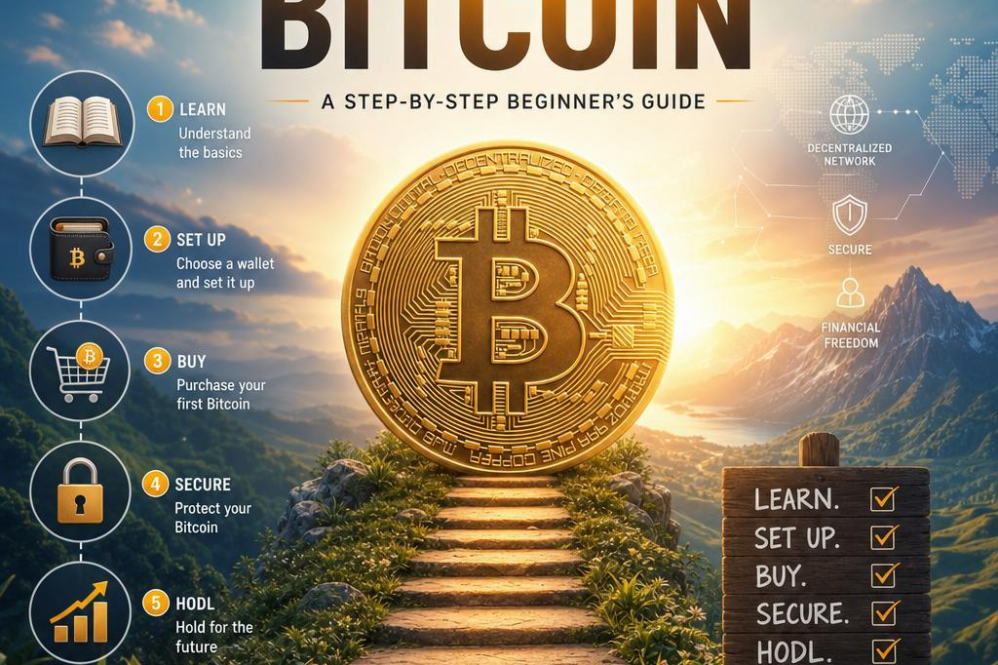
Understanding bitcoin Technology and How It Works
bitcoin operates on the foundation of blockchain technology, a decentralized digital ledger that records all transactions across a network of computers. This structure eliminates the need for intermediaries such as banks or governments. Each transaction is grouped into a “block” and linked to the previous one, forming an immutable chain.This ensures clarity and security, as altering a single block would require changing every subsequent block, a near-impossible feat due to the network’s consensus mechanism.
The core process behind bitcoin’s functionality is called mining. Miners validate transactions by solving complex cryptographic puzzles, a task that requires substantial computational power. once a puzzle is solved, the new block is added to the blockchainand miners receive bitcoin as a reward. this not only incentivizes miners but also regulates the creation of new bitcoins, adhering to a predetermined supply limit to prevent inflation.
| Component | Role | Importance |
|---|---|---|
| Blockchain | Decentralized ledger | Ensures transaction transparency and security |
| Mining | Transaction validation | Maintains network integrity and issues new bitcoins |
| Cryptography | Secures transactions | Protects user privacy and prevents fraud |
Understanding the above components is essential for grasping how bitcoin revolutionizes digital currency. The balance of decentralization, securityand controlled supply creates a robust financial ecosystem that empowers users worldwide without relying on traditional financial institutions.
Choosing the Right Wallet for Secure bitcoin Storage
When it comes to securing your bitcoin, the choice of wallet plays a critical role in safeguarding your digital assets. Wallets come in several types, each designed to meet diffrent security needs and usage preferences. Hardware wallets are physical devices that store your private keys offline, providing robust protection against hacking attempts. conversely, software wallets are applications installed on your computer or smartphone, offering convenience but requiring stringent digital security measures like strong passwords and two-factor authentication.
To better understand the key differences, consider the following attributes:
| Wallet Type | Security Level | Accessibility | Ideal User |
|---|---|---|---|
| Hardware Wallet | Very High (Offline storage) | Requires device connection | Long-term holders & large balances |
| Software Wallet | Moderate (Online or device storage) | Instant access via app | Frequent traders & small balances |
| paper Wallet | High (Offline but physical risk) | Requires physical storage and safety | Cold storage enthusiasts |
Always back up your wallet’s recovery phrase or private keys in a secure location separate from your primary device. Avoid storing these details digitally where thay can be exposed to malware or cyber theft. Also, familiarize yourself with your wallet’s security features, such as encryption, multi-signature supportand biometric access options to further harden your bitcoin’s defence. With the right wallet and mindful practices, you can confidently protect your cryptocurrency against a wide range of risks.
Navigating the Process of Buying bitcoin Safely
Before purchasing bitcoin, it’s crucial to understand that safety hinges on choosing the right platforms. Opt for exchanges with strong reputations, robust security measuresand transparent verification processes. Look for features like two-factor authentication (2FA), cold storage optionsand insurance policies. These elements protect your funds from hacks and fraud, creating a safer investment habitat.
when selecting a digital wallet to hold your bitcoin, prioritize wallets that give you full control over your private keys. Hardware wallets, for example, store keys offline and drastically reduce the risk of theft via cyberattacks. Software wallets that enable backups and have active development communities provide additional layers of security and usability. Avoid leaving your bitcoin on exchanges long-term unless you are actively trading to minimize exposure to platform vulnerabilities.
Key safety tips to keep in mind:
- Verify the exchange’s regulatory compliance and customer reviews
- Never share your private keys or seed phrases with anyone
- regularly update your security software and wallets
- Use a secure internet connection, avoiding public Wi-Fi during transactions
| Buying Step | Safety Focus |
|---|---|
| Choose Exchange | Security credentials & regulation |
| Create Wallet | Control private keys |
| Make Purchase | Check connection & transaction details |
Effective Strategies for Managing and Using Your bitcoin
Managing bitcoin effectively begins with securing your digital wallet. Prioritize wallets that offer strong encryption and multi-factor authentication to protect your assets against unauthorized access. Hardware wallets are recommended for holding larger amounts long-term, while software wallets provide convenience for frequent transactions.Be sure to back up your wallet’s recovery phrase carefully-losing this means losing access to your funds permanently.
When it comes to using bitcoin, understanding transaction fees and confirmation times is crucial. Fees fluctuate based on network congestion, so timing your transactions during less busy periods can save costs. Always double-check recipient addresses to avoid irreversible mistakes. Additionally, familiarize yourself with tools that track transaction status to ensure smooth and timely transfers.
Here’s a rapid reference table to help you decide on wallet types:
| Wallet Type | Security Level | Best Use |
|---|---|---|
| Hardware | High | Long-term storage |
| Software | Medium | Daily Transactions |
| Mobile | Medium | On-the-go Payments |
| Paper | High | Cold Storage Backup |
- Regularly update your wallet software to patch vulnerabilities.
- Use trusted exchanges with good reputations to buy or sell bitcoin.
- Keep your private keys offline whenever possible to reduce hacking risk.