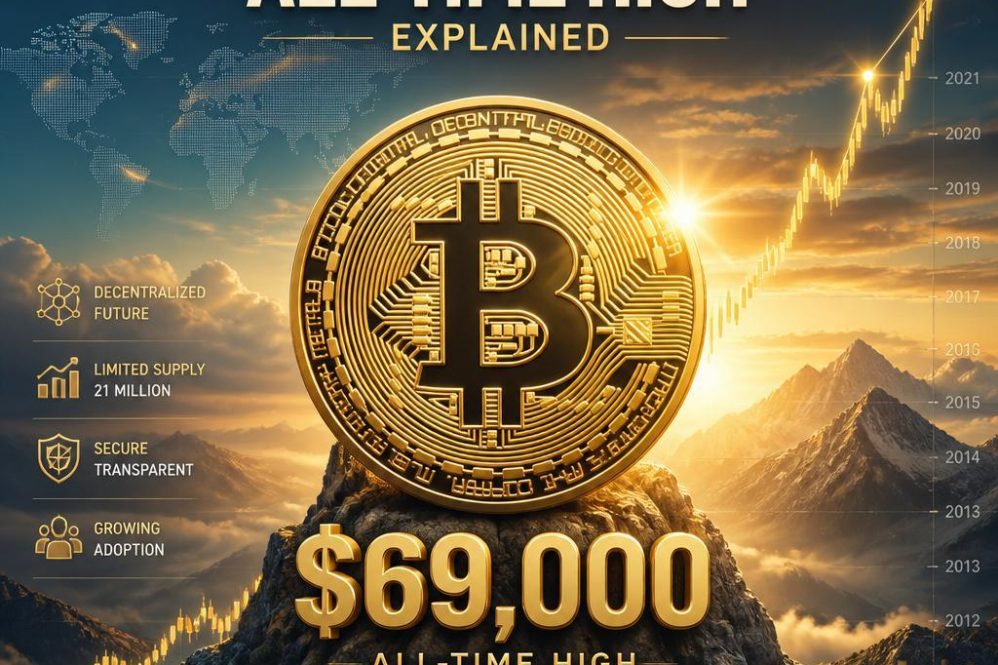
bitcoin’s market Dynamics Leading to the Peak
Throughout 2021, bitcoin experienced a complex interplay of forces that propelled its value to an unprecedented $69,000. the surge was driven largely by a mix of increased institutional adoption,heightened retail interest,and evolving macroeconomic conditions. Key players including hedge funds, publicly traded companiesand payment platforms began integrating bitcoin into their portfolios and services, which lent a new level of legitimacy and trust to the asset.
To better understand these market dynamics, consider the following key factors that fueled the ascent:
- Institutional Inflows: large-scale investments from firms such as Tesla and MicroStrategy increased confidence.
- Scarce Supply: With only 21 million Bitcoins in existence, limited availability combined with halving events tightened supply.
- Global Economic Uncertainty: Inflation fears and monetary stimulus measures made bitcoin an attractive inflation hedge.
- Regulatory Landscape: Mixed signals from regulators created both caution and speculative fervor among traders.
| Factor | Impact |
|---|---|
| Institutional Adoption | Strengthened legitimacy and increased capital inflows |
| Supply Constraints | heightened scarcity boosted price recognition |
| Macroeconomic Climate | Drove demand as an inflation-resistant asset |
| Regulatory Environment | Generated market volatility and speculative trades |
Technological Advancements Influencing bitcoin’s Value
The milestone surge in bitcoin’s value to $69,000 was not merely a stroke of market luck but a reflection of significant technological strides that reshaped the cryptocurrency landscape. Among these innovations,the implementation of the Lightning Network stands out-it dramatically enhanced bitcoin’s scalability and transaction speed,addressing long-standing concerns about network congestion and high fees.This layer-two solution made micropayments and everyday use more feasible, thereby bolstering investor confidence and adoption rates.
Another pivotal advancement was the advancement in blockchain security protocols, ensuring more robust protection against hacking and fraud. The continuous upgrade of cryptographic techniques and consensus algorithms fortified the integrity of transactions, attracting institutional investors who require stringent security assurances. Moreover, the integration of smart contract capabilities through sidechains expanded bitcoin’s functionality beyond a simple store of value to a versatile financial tool.
| Technological Advancement | Impact on bitcoin value |
|---|---|
| Lightning Network | Faster, cheaper transactions |
| enhanced Security Protocols | Increased investor trust |
| Smart Contract Integration | Expanded use cases |
In parallel, the rise of decentralized finance (DeFi) platforms leveraging bitcoin’s network contributed to its increased utility and demand. These platforms introduced new financial instruments and lending opportunities directly accessible to users worldwide,further solidifying bitcoin’s role as a key asset in the digital economy. Consequently, technological advancements did not just influence bitcoin’s value mechanically but fundamentally transformed its perception from speculative asset to indispensable financial infrastructure.
Regulatory Environment and Its Impact on bitcoin’s Surge
The regulatory landscape surrounding cryptocurrencies, notably bitcoin, has played a pivotal role in shaping its trajectory toward the historic peak of $69,000 in 2021. Throughout the year, shifts in policy frameworks, both encouraging and restrictive, influenced investor behavior and market sentiment. Countries adopting a more crypto-amiable approach, such as allowing institutional investments and clarifying legal status, fostered greater confidence among buyers and traders, triggering demand surges that propelled bitcoin’s price upward.
Notable regulatory influences included:
- Recognition of bitcoin as a legal asset class for institutional portfolios.
- Implementation of Anti-Money Laundering (AML) and Know Your Customer (KYC) policies boosting market legitimacy.
- Restrictions and temporary bans in certain regions, which sparked market volatility but also established clearer boundaries.
| Regulation Type | Impact on bitcoin | Country Examples |
|---|---|---|
| Institutional Acceptance | Increased liquidity and demand | USA, Germany |
| Strict Compliance Rules | Enhanced trust but limited retail inflows | Japan, Singapore |
| Regulatory Uncertainty | Price fluctuations and investor caution | China, India |
Investor trust is heavily influenced by the clarity and stability of regulatory frameworks.When jurisdictions provided unambiguous rules and protections, it catalyzed a wave of new market participants-from retail investors to large corporations-who helped drive bitcoin’s unprecedented peak. conversely, abrupt regulatory crackdowns often resulted in short-term sell-offs, reminding the market of the ongoing tug-of-war between innovation and oversight. The interplay of these factors underscored that regulatory developments were not merely background noise but critical components in the narrative of bitcoin’s explosive growth during 2021.
investment Strategies for Navigating bitcoin’s Volatility
The rapid price swings characteristic of bitcoin demand a disciplined approach to investment.To mitigate risks amid such volatility, investors often employ diversified portfolio strategies rather than concentrating holdings in a single asset. This includes balancing bitcoin exposure with customary assets such as stocks, bondsand commodities to smooth out portfolio performance during sudden market shifts. Additionally, using dollar-cost averaging-purchasing fixed amounts at regular intervals-helps reduce the impact of market timing and dampens the effects of extreme price fluctuations.
Leveraging technology can also be a critical tool. Setting up stop-loss orders is an effective mechanism to protect gains or limit losses during unexpected downturns. These automated orders sell a portion of bitcoin holdings once prices hit predetermined thresholds, providing a safety net without constant monitoring. Furthermore, some investors explore options and futures contracts as hedging instruments to manage downside risk and enhance portfolio resilience amid volatile price action.
| Strategy | Purpose | Key Benefit |
|---|---|---|
| Diversification | Spread risk across multiple asset classes | Reduces overall volatility exposure |
| Dollar-Cost Averaging | Systematic, regular investments | Smooths out entry price over time |
| Stop-Loss Orders | Automated risk control | Limits downside losses |
| Hedging with Derivatives | Protect against downside moves | Enhances portfolio stability |