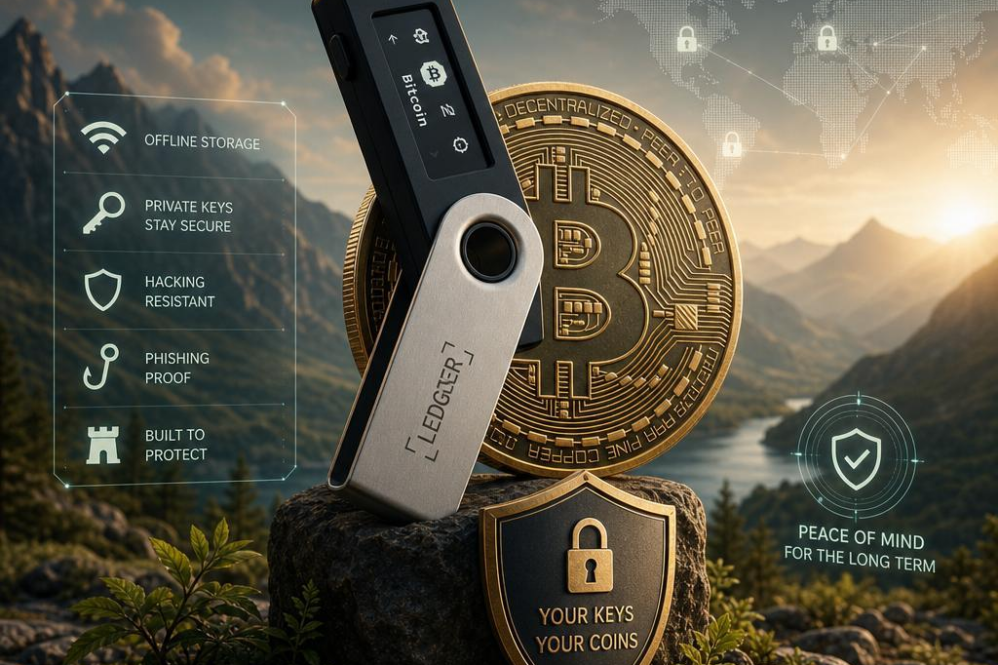
The Critical Role of Private Keys in bitcoin Security
At the heart of every bitcoin transaction lies a private key-an alphanumeric string that grants the sole authority to spend the associated funds. Maintaining the confidentiality and integrity of this key is paramount; if it falls into the wrong hands,your entire bitcoin holdings can be irreversibly lost. Unlike passwords for conventional accounts, private keys do not have recovery options through centralized entities, making their secure storage a non-negotiable aspect of cryptocurrency ownership.
Hardware wallets provide an unparalleled layer of protection by isolating private keys within a dedicated physical device, effectively insulating them from potential online threats such as malware, phishingor hacking attempts. these devices are designed with secure elements that ensure keys never leave the hardware unencrypted, drastically reducing the attack surface. Additionally, they frequently enough include PIN protection, passphrase optionsand seed phrase backups to safeguard against physical theft or loss.
Consider the following comparison to highlight the security advantages offered by hardware wallets:
| Storage Method | Exposure to Online Threats | Key Accessibility | User Control |
|---|---|---|---|
| Hardware Wallet | minimal – keys stored offline | Restricted to device | Full user control with PIN/passphrase |
| Software Wallet | High – keys stored online or on computer | Accessible by software/apps | Dependent on device security |
| Exchanges/Online storage | Very high – keys held by third parties | Managed by exchange | Limited, dependent on exchange policies |
Ultimately, the sanctity of your bitcoin lies in the hands of your private keys. Opting for hardware wallets encapsulates the principle of cold storage,effectively mitigating risks that accompany digital assets and empowering users with unmatched control and security.
How Hardware Wallets Isolate Private Keys from Online Threats
At the core of hardware wallets lies a specialized chip designed exclusively to protect private keys from external dangers. Unlike software wallets that store keys on devices connected to the internet, hardware wallets isolate these sensitive cryptographic keys within a tamper-resistant surroundings. This isolation ensures that even if the connected computer or smartphone is compromised by malware or hackers, the private keys remain inaccessible and secure.
Hardware wallets operate by signing transactions internally, meaning the private keys never leave the device. When a user initiates a transaction, only the unsigned transaction data is sent to the hardware wallet. The device then processes the data internally, uses the private key to sign itand returns only the signed transaction back to the host. This crucial distinction prevents exposure of the private keys over any potentially insecure communication channels.
| Threat Type | Exposure Risk Without Hardware Wallet | Protection by Hardware Wallet |
|---|---|---|
| Malware Attacks | High – Keys accessible via infected software | Minimal – Keys never leave isolated device |
| Phishing Attempts | Moderate – Keys may be tricked out via fake input | None – User confirms transactions physically on device |
| Network Intrusions | High – Keys can be intercepted during transmission | None – keys never transmitted online |
- Physical Confirmation: Users must manually approve every transaction on the device’s screen, adding a layer of human verification.
- Encrypted Storage: Keys are encrypted within the chip, protected against extraction even if physically accessed.
- Firmware Integrity: Regular updates and secure boot processes prevent unauthorized modifications that could undermine security.
Comparing Hardware Wallets to Software and Exchange Wallets
When evaluating different types of cryptocurrency storage, it becomes clear that hardware wallets excel in security compared to software and exchange wallets. Software wallets, typically installed on computers or smartphones, are inherently vulnerable to malware attacks, phishing scamsand device failures. Exchange wallets, meanwhile, depend heavily on the security protocols of third-party platforms, which have historically suffered from hacks and mismanagement. hardware wallets stand out by storing private keys offline, making them immune to most online threats, thus providing an isolated environment that shields assets from potential breaches.
Several core advantages make hardware wallets uniquely suited for safeguarding bitcoin and other cryptocurrencies:
- Offline Storage: Private keys remain offline at all times, drastically reducing exposure to hacking attempts.
- Physical Confirmation: Transaction approvals must be manually confirmed on the device, preventing unauthorized access via remote control.
- Recovery Capabilities: Most hardware wallets feature secure backup options, allowing recovery even if the device is lost or damaged.
| Wallet type | Security Level | Ease of Use | Risk Factors |
|---|---|---|---|
| Hardware Wallet | High | Moderate | Physical Loss |
| Software Wallet | Medium | High | Malware,Phishing |
| Exchange Wallet | Low to Medium | High | Platform Hacks,Insider Threats |
The Robust encryption and Backup Mechanisms of Hardware wallets
At the core of every hardware wallet is an advanced encryption protocol that safeguards your private keys from unauthorized access. These devices utilize highly secure cryptographic chips that store and process sensitive information internally, never exposing the keys to external environments-even during transaction signing. This ensures that even if the computer or mobile device connected to the wallet is compromised by malware, the private keys remain inaccessible and secure.
The backup mechanisms of hardware wallets further enhance their reliability and user safety. Typically, during initial setup, users receive a recovery seed phrase-usually a 12 to 24-word mnemonic-that acts as a fail-safe to restore access to their bitcoins in case the device is lost or damaged. This phrase is generated using deterministic algorithms, guaranteeing that the exact wallet can be recreated with precision. Additionally, some models offer PIN protection and passphrase options that add extra layers of security, considerably reducing risks of theft or accidental loss.
| Feature | Purpose | Benefit |
|---|---|---|
| Secure Element Chip | Private key protection | Resists tampering and hacking attempts |
| Mnemonic Seed Backup | Wallet restoration | Enables recovery if device is lost or broken |
| PIN & Passphrase | Access control | Protects against unauthorized use |
By combining these robust encryption standards with comprehensive backup options, hardware wallets set a gold standard in cryptocurrency security.Their design philosophy minimizes vulnerabilities by isolating private keys from potential attack vectors and providing methodical recovery solutions, empowering users with unparalleled peace of mind in safeguarding their digital assets.
Essential Practices for Maximizing security with Hardware Wallets
When securing your digital assets, adopting meticulous handling practices with hardware wallets can dramatically reduce risks. Always initiate setup on a trusted, malware-free computer and ensure your device firmware is updated to the latest version. Handle your recovery seed phrase with the utmost care-avoid digital storage and rather use secure physical methods such as metal seed storage devices resistant to fire and water damage. This guarantees the safety of your keys from digital breaches and physical damages alike.
Another critical practice is to establish multi-layered security measures. Enable PIN protection on your hardware wallet, but choose a PIN that is not overly simplistic to minimize brute-force attempts. Where possible, activate passphrase support to create an additional encryption layer, effectively turning your wallet into a two-factor authentication system. These measures reinforce the wallet’s resilience against both physical theft and remote hacking threats.
| Security Measure | Benefit |
|---|---|
| Firmware Updates | Protects against known vulnerabilities |
| Physical Seed Backup | Ensures recovery from disaster |
| PIN & Passphrase | Prevents unauthorized access |
| Cold Storage | Isolates wallet from online threats |
Lastly, always test your recovery phrase by performing a controlled restoration on a different wallet device or software. This step not only confirms the correctness of your backup but also ensures you can regain access seamlessly in case the primary hardware wallet is lost or damaged. Remember, the security of your bitcoin holdings is only as strong as the weakest link in your operational procedure, so rigorous practice and vigilance are paramount.
Choosing the Right hardware Wallet: Features and Trusted Brands
When selecting a hardware wallet, it’s crucial to focus on features that enhance security and usability. Look for devices offering end-to-end encryption, secure chip architectureand PIN protection. Additional security layers like passphrase support and two-factor authentication compatibility can provide peace of mind. Moreover, wallets that are open-source allow the community to audit their software, ensuring openness and reducing the risk of hidden vulnerabilities.
Trusted brands consistently set the benchmark for reliability and customer trust in the hardware wallet market. Names such as Ledger, Trezorand Coldcard are celebrated for their robust security protocols and ongoing firmware updates that adapt to emerging threats. These companies also provide user-friendly interfaces and comprehensive support resources, making secure asset management accessible even to newcomers.
| Brand | Key Security Feature | Notable Benefit |
|---|---|---|
| Ledger | Secure Element Chip | High resistance to physical attacks |
| Trezor | Open-source Firmware | Community-audited for transparency |
| Coldcard | Air-gapped Transactions | Eliminates USB hacking risks |