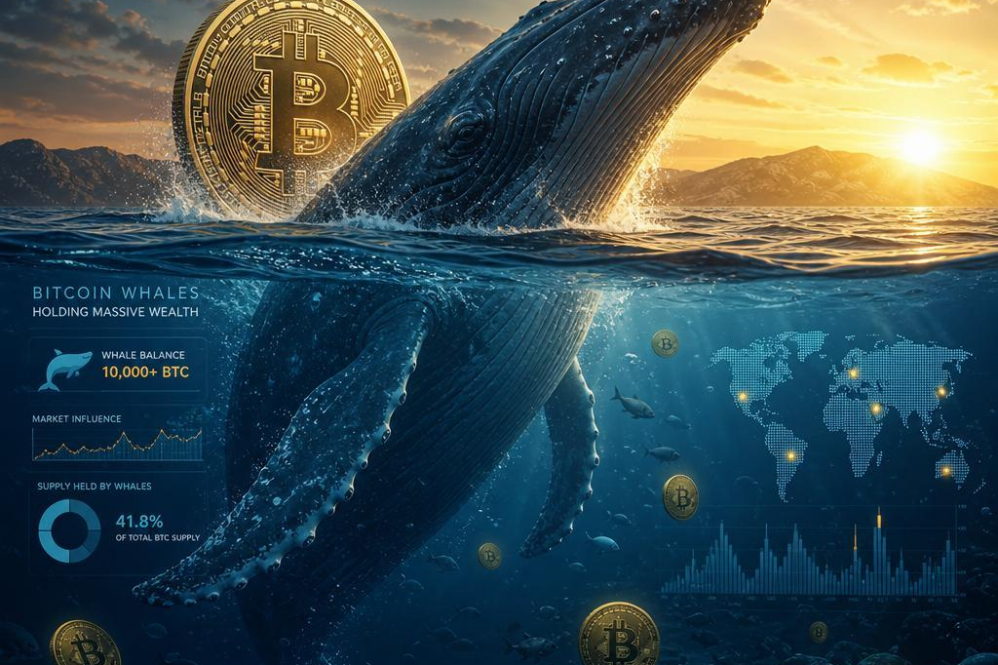
Understanding the Influence of bitcoin Whales on Market Dynamics
bitcoin whales are individuals or entities holding considerable amounts of BTC, frequently enough exceeding thousands of coins.Their meaning lies not just in their wealth but in the power their transactions confer upon them within the crypto ecosystem. When these holders make moves-whether buying, sellingor transferring large sums-they can provoke significant market reactions. This influence stems from the sometimes limited liquidity of bitcoin markets, where large orders can sway price motions dramatically.
The behavioral patterns of these whales are closely monitored by traders and analysts alike. Sudden shifts in whale activity, such as a surge in selling volume or accumulation, often serve as early indicators of potential price trend reversals. Additionally, whales frequently employ advanced strategies, including the timing of transactions to maximize impact or conceal intentions, which further complicates market dynamics. Understanding these movements allows stakeholders to better interpret market sentiment and adjust their trading strategies accordingly.
Key factors driving the influence of bitcoin whales include:
- Liquidity Impact: Large trades can create temporary supply or demand shocks.
- Market sentiment: Whale behavior can signal confidence or fear to smaller investors.
- Price Volatility: Their actions can amplify price swings, contributing to both rallies and crashes.
| Whale Activity Type | Market Impact | Exmaple Scenario |
|---|---|---|
| Mass accumulation | Bullish momentum building | Buy orders spike before rally |
| Large-Scale Liquidation | Rapid price decline | Sudden sell-offs after a peak |
| Transfer Between Wallets | Uncertain price effect | Funds moved to exchanges possibly for sale |
Examining the Strategies and Behaviors of Major BTC Holders
major bitcoin holders, often termed “whales,” wield a significant influence on the cryptocurrency market. Their strategies are usually more calculated and long-term focused compared to average investors. These holders typically adopt a buy-and-hold approach, accumulating bitcoin during market dips and resisting the urge to sell during short-term volatility. Such behavior not onyl stabilizes their wealth over time but can frequently enough signal market confidence or impending shifts to othre investors.
behaviorally, bitcoin whales engage in deliberate transaction patterns that can impact market sentiment. They are known to:
- Distribute holdings strategically by transferring BTC across different wallets to obscure market movements.
- Time large trades during periods of lower market activity to minimize price fluctuations.
- respond selectively to regulatory changes and macroeconomic trends, adjusting their BTC exposure accordingly.
| Strategy | Behavioral trait | Market Effect |
|---|---|---|
| Accumulation | Steady purchase over time | Price support during downturns |
| Wallet Dispersion | Spreading holdings | Reduces traceability |
| Selective selling | Timing exits carefully | Mitigates sharp market drops |
Assessing the Risks and Opportunities Associated with Whale Movements
The presence of bitcoin whales — entities holding immense amounts of BTC — introduces a dual-edged dynamic to the cryptocurrency ecosystem. On one hand, their large holdings can provide market stability by preventing excessive selling pressure during periods of volatility. By strategically managing their portfolios, whales have the power to influence price trends, sometimes cushioning sharp fluctuations that coudl otherwise destabilize investor sentiment.
Though, the concentration of wealth also introduces significant risks. When whales decide to liquidate substantial amounts of bitcoin, they can trigger rapid price declines that ripple throughout the market. This phenomenon, often referred to as a whale dump, creates uncertainty among smaller investors and can spur panic selling, disrupting market equilibrium. Monitoring whale activity becomes crucial for traders aiming to anticipate sudden shifts in liquidity and price movement.
Key factors to consider when evaluating whale impacts include:
- Transaction timing: Identifying patterns in when whales move BTC
- Volume spikes: Large transfers between wallets or exchanges can signal impending market moves
- Concentration distribution: The proportion of total supply controlled by top holders
| Risk | Prospect |
|---|---|
| Market manipulation potential | Price stabilization during sell-offs |
| High volatility following large sales | Strategic investment insights from whale patterns |
| Liquidity shortages in critical times | Market depth provided through large holdings |
Implementing Best Practices for Navigating the Market Amidst Whale Activity
Market movements influenced by bitcoin whales require a strategic approach to maintain an edge. These holders can trigger significant price fluctuations by executing large-volume trades, which often leads to volatility that confounds average investors. Monitoring whale activity through blockchain analytics is paramount; tools like on-chain explorers and whale tracking platforms enable traders to anticipate potential market shifts before they visibly unfold. Staying informed allows for timely decisions that either capitalize on spikes or minimize downside risk.
Critical to success is the adoption of risk management techniques tailored to volatile conditions.Establishing clear stop-loss orders, diversifying holdingsand avoiding reckless positions during whale-induced swings can protect portfolios from sudden downturns. additionally, understanding the typical whale behavior patterns-such as accumulation during dips or coordinated dumps-can help traders develop entry and exit strategies aligned with these large-scale moves.
| Whale Strategy | Market Signal | Recommended Tactic |
|---|---|---|
| Accumulation | Clustered wallet inflows | Accumulate in stages |
| Distribution | Sudden large sell-offs | Use trailing stops |
| Market Manipulation | Price spikes with low volume | Wait for confirmation |
Patience and vigilance are crucial attributes when navigating markets affected by whales. Emotional trading often leads to costly mistakes; instead, adopting a data-driven mindset and leveraging credible information sources can greatly improve outcomes.By internalizing whale behaviors and implementing disciplined routines, investors position themselves not just to survive but to thrive amidst the waves created by these dominant market participants.
