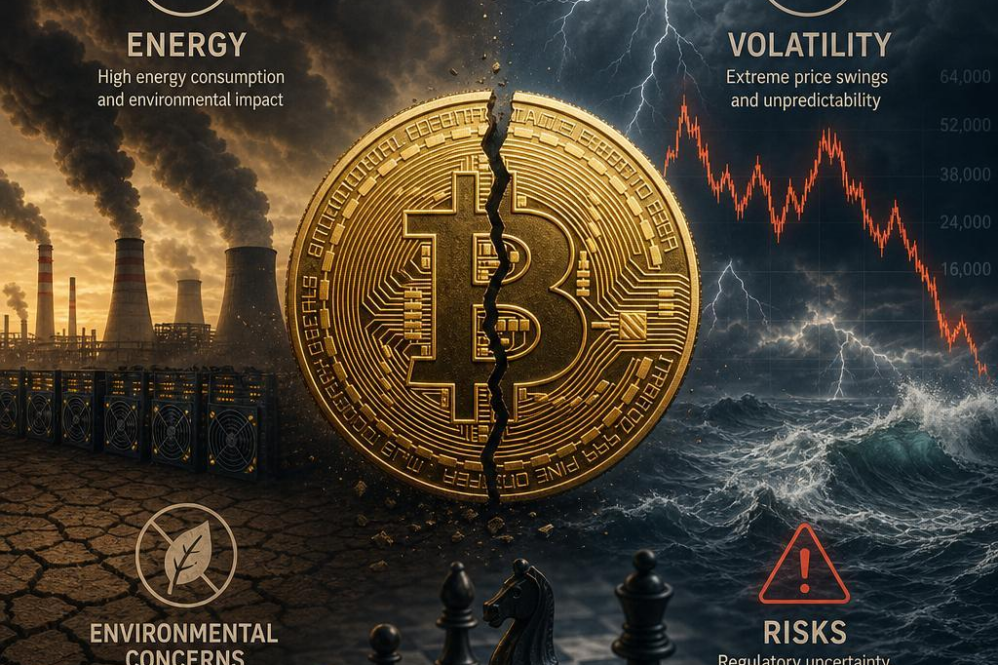
The Environmental Impact of bitcoin Mining and Its Global Consequences
bitcoin mining demands an extraordinary amount of electricity, ofen sourced from non-renewable power plants, which considerably contributes to carbon emissions and environmental degradation. The process involves verifying transactions through complex algorithms, requiring high-powered hardware that operates continuously.This relentless energy consumption not only amplifies the carbon footprint but also raises concerns about sustainability in an era of escalating climate crises.
Key environmental concerns include:
- Intensive use of fossil fuels leading to increased greenhouse gases
- Electronic waste generated from obsolete mining equipment
- Excessive water usage in cooling mining facilities
Globally, regions that host large-scale mining operations face compounded challenges, ranging from power shortages to ecological imbalances. Communities adjacent to these centers frequently enough experience disruptions in local power supplies and strain on natural resources.Additionally, as governments and environmental bodies call for stricter regulations, the mining industry’s global footprint demands urgent attention, highlighting a critical tension between technological advancement and planetary health.
| Region | estimated bitcoin Energy Usage (TWh/year) | Primary energy Source | environmental Impact |
|---|---|---|---|
| China | 120 | Coal | High carbon emissions and air pollution |
| United States | 80 | Mixed (Coal, Natural Gas, renewables) | Moderate pollution, increasing renewable use |
| Kazakhstan | 50 | Coal and Hydro | Water resource depletion and pollution |
Understanding bitcoin’s Price Volatility and Its Effects on Investors
The erratic price behavior of bitcoin remains a primary concern for both novice and experienced investors. Unlike conventional assets, bitcoin’s value can surge by double digits in a single day and then plummet just as rapidly. This intrinsic volatility is fueled by multiple factors such as speculative trading, regulatory announcements, and shifts in market sentiment worldwide. Investors must grapple with unpredictable swings, often driven by media cycles and the actions of large-scale holders, sometimes called “whales,” who can sway the market with significant trades.
Navigating these fluctuations requires a keen understanding of risk management. For many, bitcoin’s rapid price shifts translate into opportunities for high returns, but they also introduce severe downside risks that can erode investor confidence quickly. Critical points to consider when evaluating bitcoin’s volatility include:
- Market liquidity: Limited liquidity can exacerbate price movements, leading to sharp rises or drops.
- Regulatory Habitat: New laws or crackdowns can trigger sudden market reactions.
- Technological Developments: Updates or security concerns can influence investor sentiment dramatically.
To illustrate these points vividly,consider the following comparative volatility metrics for bitcoin and traditional assets:
| Asset | annual Volatility (%) |
|---|---|
| bitcoin | 85 |
| Gold | 15 |
| S&P 500 | 20 |
This stark contrast highlights why many financial experts urge caution and diversified portfolios when incorporating bitcoin. The high volatility can generate extraordinary gains but equally harrowing losses, shaping a unique risk landscape that investors must thoroughly comprehend before entering the market.
Assessing Security Vulnerabilities and Regulatory Risks in Cryptocurrency
Cryptocurrency presents a dual-edged sword when it comes to security vulnerabilities. At its core, blockchain technology secures transactions through cryptographic algorithms and decentralization, yet it is not impervious to attacks. Smart contract flaws and vulnerabilities in wallet software provide entry points for hackers, which can result in irreversible losses. Additionally, the growing sophistication of phishing schemes and malware aimed at crypto holders compounds the risk. Users and institutions alike must remain vigilant and invest in robust cybersecurity measures to safeguard their digital assets.
From a regulatory standpoint, the landscape is fragmented and rapidly evolving. Governments worldwide wrestle with balancing innovation encouragement against the need for consumer protection and financial stability. Ambiguous or shifting regulations create uncertainty for investors and businesses, often leading to compliance challenges and operational risks. Moreover, the lack of standardized regulatory frameworks fosters an environment where fraudulent schemes and money laundering can flourish, amplifying reputational risks for legitimate market participants.
| Risk Category | Key Concerns | Potential Impact |
|---|---|---|
| Security | Smart contract bugs, wallet breaches | Asset loss, data theft |
| Regulatory | unclear laws, cross-jurisdiction conflicts | Legal penalties, market freezes |
| Market | Volatility, liquidity issues | Investment instability, loss of confidence |
Awareness and proactive risk assessment remain critical in navigating this complex domain. By understanding the inherent security vulnerabilities and intertwined regulatory risks, stakeholders can better prepare for the unpredictable shifts characteristic of the cryptocurrency realm.
Strategic measures for Mitigating bitcoin-Related Financial and Environmental Hazards
Addressing the significant financial and environmental challenges posed by bitcoin requires a multi-faceted approach that is both innovative and pragmatic. One primary strategy involves encouraging the adoption of renewable energy sources in cryptocurrency mining operations. Shifting from fossil fuels to solar, wind, or hydroelectric power can drastically reduce carbon emissions without sacrificing network security.Additionally, incentivizing miners through regulatory frameworks to operate in jurisdictions with greener grids aligns economic interests with sustainability goals. This approach not only curtails environmental degradation but also improves public perception and long-term viability of blockchain technology.
On the financial side, mitigating bitcoin’s notorious price volatility calls for improved market mechanisms and investor protections. Establishing more robust derivatives markets, such as futures and options, can help investors hedge risks effectively.Furthermore, implementing clear liquidity requirements and reducing market manipulation through tighter surveillance and enforcement enhances market stability. Financial institutions and exchanges should also play a proactive role by providing investor education and promoting responsible trading practices, thereby fostering a safer investment environment.
Crucial to long-term risk mitigation is fostering collaboration between stakeholders including policymakers, technologists, and environmental advocates. This includes developing standards for enduring mining practices and advancing research into more energy-efficient consensus algorithms like Proof of Stake. Below is a concise overview of potential strategic measures:
| Strategic Aspect | Mitigation Measure | Expected Benefit |
|---|---|---|
| Energy Consumption | Transition to renewable energy miners | Reduced carbon footprint, sustainable mining |
| market Volatility | Develop derivatives and enforce market regulations | Enhanced financial stability, risk containment |
| Stakeholder Collaboration | establish standards and promote innovation | Long-term risk reduction, industry credibility |