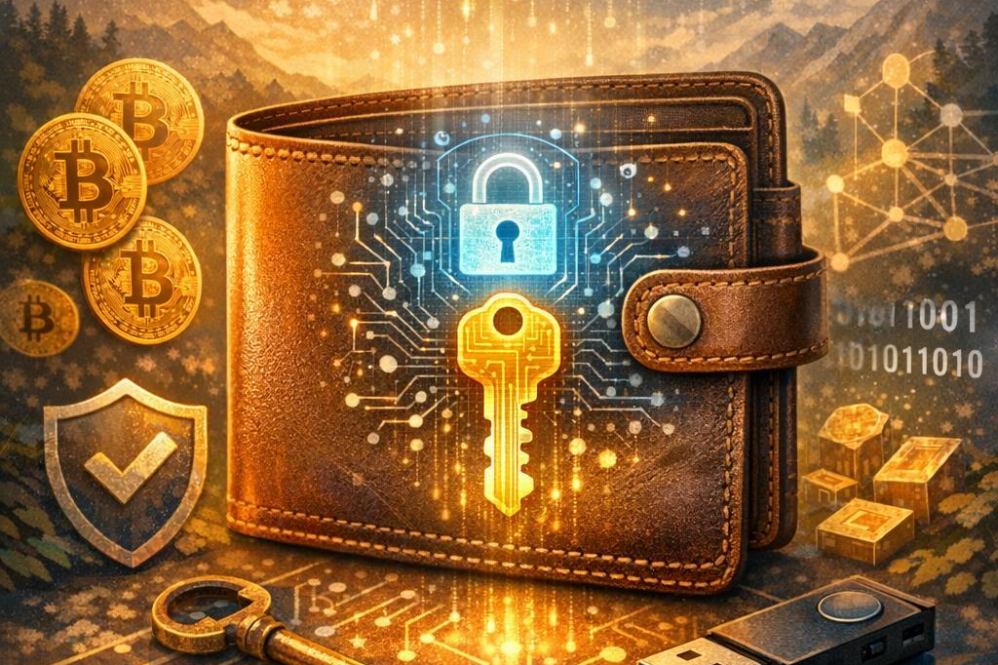
The Fundamental Concept of bitcoin Wallets and Key Storage
bitcoin wallets serve a unique and critical purpose in the ecosystem: they do not actually hold bitcoins themselves. Rather, these wallets securely store the cryptographic keys necessary too access and manage your bitcoin holdings on the blockchain. The two primary keys in question are the public key, which acts as an address for receiving bitcoin, and the private key, which authorizes spending and transferring bitcoins. Without possession of the private key,no transaction can be initiated,underscoring the wallet’s function as a guardian of access rather then a container of currency.
Understanding wallet security hinges on the treatment and storage of private keys. keys can be stored in a variety of formats including software wallets (desktop, mobile, or web-based), hardware devices, paper backups, or even brain wallets. Each method offers different balances between convenience and security. As an example, software wallets provide ease of access but can be vulnerable to hacking, while hardware wallets isolate keys in offline environments to mitigate exposure to digital threats. Managing these keys responsibly is paramount; loss or compromise translates directly to loss of access and potential irreversible financial loss.
| Key Type | Function | Storage Example |
|---|---|---|
| Public Key | Receives bitcoins | Blockchain address shown in wallet |
| Private Key | Spends and transfers bitcoins | Stored on hardware wallet or encrypted file |
Differentiating Between bitcoin and Private Keys in Wallets
When navigating the world of cryptocurrencies, it’s crucial to grasp that your digital wallet is not a vault storing actual bitcoin. Instead, what it securely holds are private keys-complex alphanumeric codes that grant access to the bitcoin stored on the blockchain. These private keys act like unique passwords enabling users to authorize transactions and prove ownership of the bitcoin linked to corresponding public addresses. Without these private keys, you cannot move or control the bitcoin assigned to your wallet.
Understanding this distinction helps clarify common misconceptions. bitcoin itself is decentralized and exists solely on the blockchain-a public ledger maintained by nodes worldwide. Your wallet software provides the interface to generate, store, and manage your private keys. When you initiate a transaction, your wallet signs it using your private key to confirm authenticity, but the bitcoin never physically leaves any storage; rather, the blockchain’s record is updated.
| Aspect | bitcoin | Private Key |
|---|---|---|
| Nature | Digital asset on blockchain | secret cryptographic code |
| Role | Represents value | Grants access/control |
| Storage | On blockchain network | Inside wallet software/device |
| Transfer | Recorded as blockchain transactions | Used to sign and authorize transfers |
- Private keys must remain confidential to prevent unauthorized access.
- bitcoin cannot be “stored” in a wallet but is tracked on the blockchain.
- A wallet is essentially a key manager and transaction signer, not a bitcoin holder.
Types of bitcoin Wallets and Their Security Implications
bitcoin wallets come primarily in three categories: hardware wallets, software wallets, and paper wallets. Hardware wallets are physical devices specifically designed to store the private keys offline, providing a robust defense against online threats such as hacking and malware. Software wallets, on the othre hand, are applications that can be installed on desktops or mobile devices; while convenient and user-friendly, they carry risks associated with device vulnerabilities and potential cyber-attacks. Paper wallets involve printing the private keys or seed phrases on physical media, offering an air-gapped solution that, if handled carefully, minimizes digital exposure.
Security implications vary dramatically across these wallet types. Hardware wallets, with their encrypted chips and PIN protections, are considered the most secure for long-term storage and sizable amounts of bitcoin. Software wallets offer different levels of security depending on whether they connect to the internet (hot wallets) or operate offline (cold wallets). For everyday transactions, hot wallets provide instant access but expose private keys to online risks. Paper wallets eliminate digital attack vectors but require careful physical handling to prevent loss or damage, which makes them less convenient for regular use.
| Wallet Type | Security strength | Vulnerabilities | Ideal Use Case |
|---|---|---|---|
| Hardware | High | Physical theft, damage | Long-term storage |
| Software | Medium | Malware, phishing | Daily transactions |
| paper | Medium-High | Loss, damage | Cold storage with caution |
How private Key Management Influences bitcoin Ownership
At the core of bitcoin ownership lies the private key-an alphanumeric string that acts as the ultimate proof of control over your bitcoins. This key must be safeguarded with the highest level of security because whoever holds the private key effectively holds ownership. Unlike traditional bank accounts, where banks act as custodians, bitcoin’s decentralized nature means ther is no intermediary to recover your funds if your key is lost or stolen.
Effective private key management requires a blend of technology, vigilance, and understanding of potential threats. Many users opt for hardware wallets or cold storage solutions to isolate keys from the internet, protecting them from hacking attempts. On the other hand, software wallets present convenient options but demand strict adherence to security practices such as creating strong passwords, enabling two-factor authentication, and maintaining encrypted backups.
| Key Management Practice | Benefit | Risk if Neglected |
|---|---|---|
| Hardware Wallets | Offline storage and robust protection | Physical loss or damage |
| Encrypted Backups | Recovery in case of device failure | Unauthorized access if weak encryption |
| Multi-factor Authentication | Additional security layer | Vulnerability to phishing without it |
Best Practices for Safeguarding bitcoin Wallets and Keys
Securing your bitcoin wallet starts with protecting the private keys, which are the true gateways to your assets. One fundamental approach is to implement multi-factor authentication (MFA) wherever possible, combining passwords with biometric verification or hardware tokens. this additional layer significantly reduces the risk of unauthorized access. Additionally, consider employing hardware wallets-physical devices designed specifically to isolate private keys from internet-connected environments, thus shielding them from malware and phishing attacks.
Another essential practice is the secure backup of private keys.Store backups in geographically diverse, secure locations, such as safe deposit boxes or encrypted USB drives stored offline. Avoid digital copies on cloud services unless extensively encrypted and protected by strong access controls. For ease of recovery, use mnemonic seed phrases with extreme caution-never share or expose them digitally. Physical representations, like engraved metal plates, can provide durable, fireproof backup solutions.
| Recommended Safeguarding Measures | Purpose |
|---|---|
| Hardware Wallets | Isolate keys from internet threats |
| Multi-factor Authentication | Enhance account security |
| Offline backups | Prevent data loss during system failures |
| Encrypted Storage | Protect keys from unauthorized access |
always stay vigilant against social engineering and phishing attempts. Never disclose your keys or seed phrases under any circumstances. Regularly update wallet software and firmware to patch vulnerabilities, and minimize your exposure by using multiple wallets for different purposes, such as cold storage for long-term holdings and hot wallets for daily transactions. These layered safeguards collectively fortify your defenses, ensuring your keys-and by extension, your bitcoin-remain uncompromised.
Evaluating Wallet Solutions for long-Term bitcoin Security
When safeguarding bitcoin over extended periods, the primary concern shifts from the assets themselves to the cryptographic keys granting access to those assets. Wallet solutions differ significantly in how they manage these keys, influencing both security and usability. A fundamental distinction lies between hot wallets, which are connected to the internet and more susceptible to hacking, and cold wallets, which store keys offline, offering superior protection against digital theft. Choosing the right method involves assessing the balance between convenience and security based on your individual risk tolerance and usage patterns.
Key management features form the backbone of evaluating wallet solutions. Critical considerations include:
- Backup and recovery options: Can the wallet’s seed phrase or private keys be securely stored and restored?
- Multi-signature support: Does the wallet enable transactions requiring multiple approvals, elevating security?
- Open-source clarity: Are the wallet’s software and cryptographic implementations publicly auditable to ensure trust?
- Hardware integration: Is the wallet compatible with hardware devices that physically isolate keys?
These parameters ofen reveal the wallet’s readiness for cold storage scenarios or long-term asset preservation.
| Wallet Type | security Level | Typical Use Case |
|---|---|---|
| Software Hot Wallet | Moderate | Frequent Transactions |
| Hardware Cold Wallet | High | Long-Term Storage |
| Paper Wallet | Very High (if well-made) | Offline Backup |
By analyzing these criteria carefully, users can align their wallet choice with their long-term bitcoin security goals. The emphasis should always be on protecting the private keys themselves, as these are the true gatekeepers to your bitcoin holdings.