Understanding the Core Functionality of Hardware Wallets in bitcoin Security
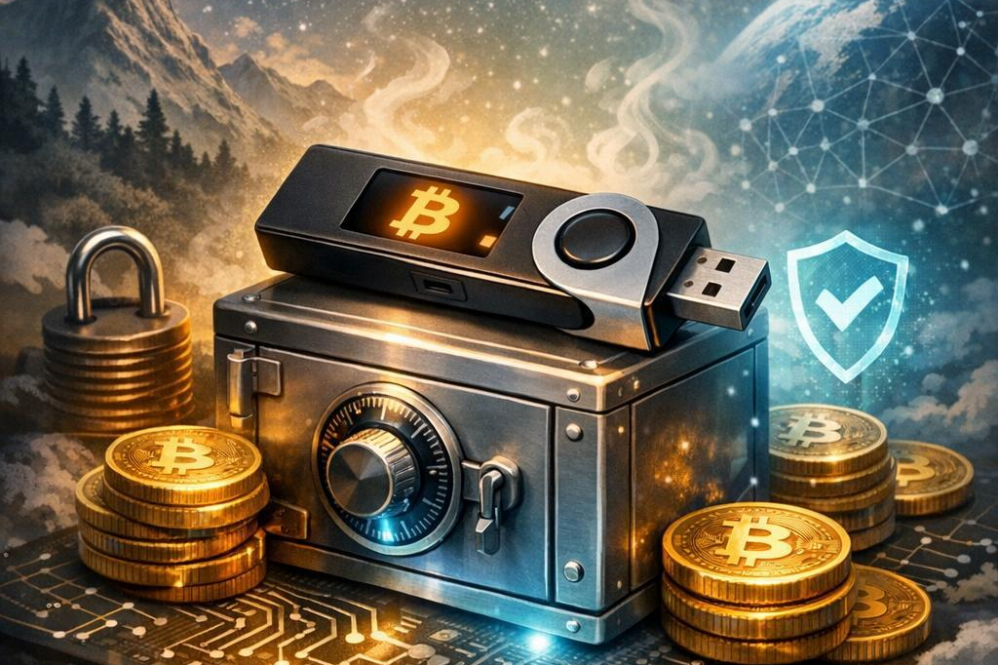
at the heart of bitcoin security lies the hardware wallet, a device designed to provide an air-gapped surroundings where private keys are stored offline, entirely isolated from the internet. This isolation is critical because it drastically minimizes the risk of remote hacking attempts, malware, and phishing attacks-common vulnerabilities that software wallets are subject to.By physically securing the keys within a tamper-resistant device, hardware wallets ensure that signing a transaction happens in a secure environment without ever exposing the private keys externally.
Core functions of hardware wallets include:
- Private key generation: Keys are created directly on the device, never leaving it, ensuring secrecy.
- Transaction signing: The wallet signs transactions internally and only broadcasts the signed data, never the keys.
- Tamper-proof design: Many devices have built-in mechanisms to detect and resist physical tampering or unauthorized access.
- Seed backup & recovery: Users can restore access via a mnemonic seed phrase in case the device is lost or damaged.
| Feature | Function | Security Benefit |
|---|---|---|
| Offline Storage | Holds cryptographic keys disconnected from networks | Protects against remote cyberattacks |
| Secure Element | Dedicated chip for secure cryptographic operations | Prevents key extraction by attackers |
| PIN Protection | Requires user input for device access | Blocks unauthorized physical access |
Key Features That Differentiate Hardware Wallets from Software Wallets
Hardware wallets stand apart primarily because they keep your private keys stored in a completely offline environment.Unlike software wallets, which operate on internet-connected devices like smartphones or computers, hardware wallets use a dedicated physical device that never exposes sensitive data to the web. This isolation significantly reduces the risk of cyber attacks,phishing schemes,and malware infiltration,providing an unparalleled layer of security for your bitcoin holdings.
another distinct advantage is the device’s inherent resistance to software vulnerabilities that commonly impact software wallets. Hardware wallets utilize specialized firmware crafted to execute cryptographic operations securely without leaving traces of your keys outside the device. Even if the connected computer is compromised, the wallet’s secure enclave ensures that signing transactions happens internally, mitigating the danger of key leakage.
| Feature | Hardware Wallet | Software Wallet |
|---|---|---|
| Key Storage | Offline, encrypted chip | Device memory or cloud storage |
| Exposure to Malware | Minimal | High |
| Transaction Signing | Within device | On device/browser |
| Usability | Requires physical access | Instant, convenient access |
While hardware wallets might require an initial learning curve and physical safeguarding due to their tangible nature, their robust security features make them a preferred choice for serious bitcoin investors aiming for long-term asset protection. The combination of offline key isolation, dedicated secure hardware, and controlled transaction approval processes collectively provide a fortress-like defense mechanism, which software wallets simply cannot replicate in environments vulnerable to online threats.
Best Practices for Using Hardware Wallets to Maximize Offline bitcoin Storage Security
To ensure the highest level of security when using hardware wallets for bitcoin storage, always initialize your device in a trusted environment. This means setting up the wallet using a secure, malware-free computer or smartphone to prevent seed phrase interception.Never reuse a recovery seed across multiple devices, and avoid entering your recovery phrase on any software or online platform. Additionally, keep the device firmware updated directly through official channels to protect against vulnerabilities.
Physical security is just as crucial. Store your hardware wallet in a safe,discreet place where it is protected from theft,fire,or water damage. Many users opt for specialized safes or safety deposit boxes. Complement this by securely backing up your recovery seed-preferably engraved or printed on durable material-and store backups separately from your wallet’s primary location. Avoid digital backups such as photos or cloud storage, which are susceptible to hacking and unauthorized access.
Consistency in your operational habits further enhances security.Always verify the device’s screen for transaction details before confirming any transfer to prevent man-in-the-middle attacks. Use strong PIN codes or passphrases, and consider setting an additional passphrase feature if your hardware wallet supports it. Below is a speedy-reference checklist summarizing essential steps for maximizing offline security:
- Set up device offline and in trusted location
- Keep firmware updated via official sources
- Store hardware wallet and seed backups separately
- Use physical and digital safeguards
- Confirm all transactions on the device screen
- Utilize strong PIN and optional passphrase
| Security Action | Reason | Best Practice |
|---|---|---|
| Offline Initialization | Prevent seed interception | Use trusted device, no network |
| Backup Storage | Preserve recovery options | Engraved backup, separate location |
| Transaction Verification | Defend from fake transactions | Check device screen each use |
| Firmware Updates | Patch vulnerabilities | Only official sources |
Top Hardware Wallet Recommendations for Safeguarding Your Cryptocurrency Assets
Hardware wallets represent the pinnacle of cryptocurrency security by storing your private keys offline, far from the prying eyes of hackers and malware. Unlike software wallets connected to the internet, these devices are impervious to remote cyberattacks, significantly minimizing the risk of unauthorized access. By physically isolating your keys, hardware wallets provide a secure environment for managing and approving transactions without ever exposing sensitive data online.
When selecting a hardware wallet,several key features must be considered to ensure optimal protection and usability. Look for devices with robust encryption standards, a secure user interface, and multi-factor authentication. Additionally, compatibility with multiple cryptocurrencies and wallet management applications enhances versatility, allowing you to consolidate your assets securely in one place. Durability and a reputable manufacturer offering ongoing firmware updates are also critical for maintaining security over time.
Below is a concise comparison of top hardware wallets widely recommended by cryptocurrency experts for safeguarding digital assets:
| Wallet Model | Supported Coins | Security Features | Price Range |
|---|---|---|---|
| Ledger Nano X | bitcoin, Ethereum, 1000+ tokens | Bluetooth, Secure Element chip | $119 – $130 |
| Trezor Model T | bitcoin, Ethereum, hundreds of altcoins | Touchscreen, Passphrase entry | $169 – $200 |
| Coldcard Mk3 | Primarily bitcoin | Air-gapped signing, PIN protection | $120 – $150 |