How bitcoin ATMs Facilitate Secure Transactions
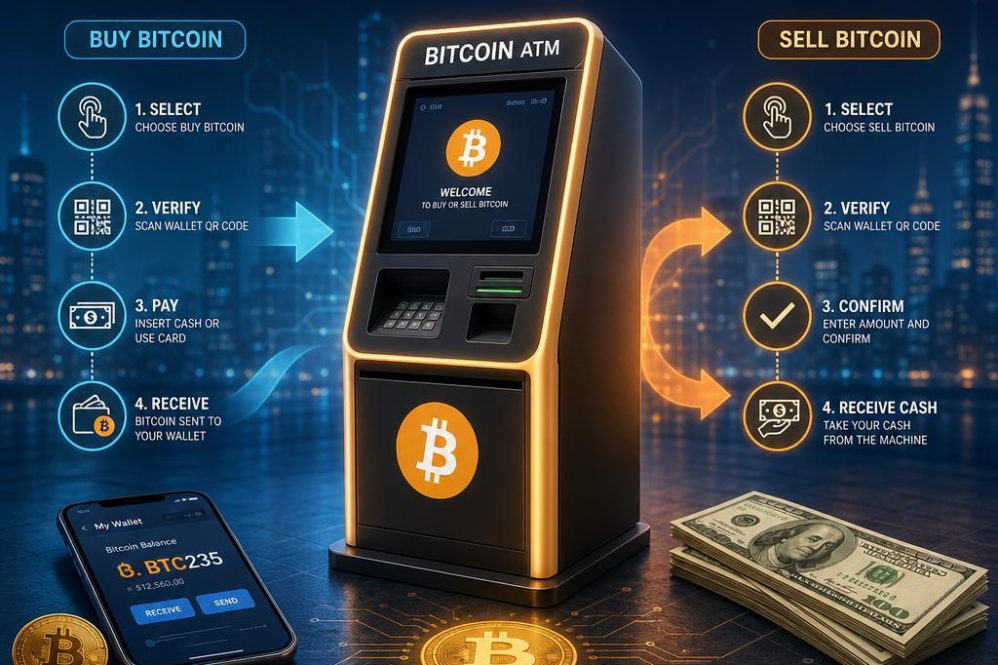
bitcoin ATMs employ advanced encryption protocols to secure every transaction, ensuring that users’ sensitive data remains protected from unauthorized access.When a person initiates a buy or sell order, the machine communicates with the blockchain network via secure, encrypted channels. This prevents interception or tampering during the transaction process. Moreover, many bitcoin ATMs integrate multi-factor authentication steps, such as phone number verification or biometric scans, to verify the user’s identity and deter fraudulent activities.
To further safeguard transactions, bitcoin ATMs maintain a real-time connection to various blockchain nodes, enabling instant validation of buy and sell orders. this not only accelerates the transaction confirmation but also minimizes the risk of double-spending or network-level attacks. Behind the scenes, complex algorithms calculate transaction fees transparently and maintain records that comply with regulatory standards, enhancing trust for both novice and experienced users.
| Security Feature | Purpose | User Benefit |
|---|---|---|
| Encryption Protocols | Protect user data during transfer | Prevents data interception |
| Identity Verification | Authenticate users securely | Reduces fraud risk |
| Real-time Blockchain Sync | Validate transactions instantly | Accelerated and reliable trades |
| Regulatory Compliance | Maintain lawful transaction records | Builds user confidence |
Understanding the Verification Process for Buying and Selling bitcoin
Before engaging in any transaction at a bitcoin ATM, users must undergo a verification process designed to comply with regulatory standards and prevent fraudulent activities. This procedure often begins with the user scanning a government-issued ID, such as a driver’s license or passport. The machine uses optical character recognition (OCR) and other validation technologies to authenticate the identification document in real-time, ensuring that the credentials are valid and unexpired.
Once identity verification is initiated, many bitcoin ATMs require users to provide additional personal information, such as phone numbers and sometimes even facial recognition data. This multi-layered verification helps secure the transaction and links it to a verified individual to deter money laundering or illicit transactions. For transactions exceeding a certain threshold, enhanced verification steps are mandatory, which may include SMS or email confirmation codes.
| Verification Step | Purpose | Typical Requirement |
|---|---|---|
| ID Scanning | Authenticate user identity | Government-issued ID |
| Phone Verification | Confirm contact information | phone number with SMS code |
| Facial Recognition | Prevent impersonation | Live biometric scan |
After triumphant verification, users can proceed with buying or selling bitcoin with confidence, knowing the process aligns with legal requirements. This robust verification infrastructure not only protects users but also fosters trust in decentralized financial systems, making bitcoin ATMs safer and more accessible worldwide.
key Factors Influencing Fees and Exchange Rates at bitcoin ATMs
When using bitcoin ATMs, fees and exchange rates can fluctuate based on several critical variables. One of the main components driving fee variation is location. ATMs in high-traffic or urban areas frequently enough charge higher fees due to increased demand and operational costs. Likewise, machines operated by different providers impose distinct fee structures depending on their business model and regional regulations. Understanding these factors helps users anticipate overall transaction costs more accurately.
Exchange rates shown at bitcoin ATMs typically differ from market rates due to the inclusion of service margins and liquidity-related premiums. The transaction size also influences both fees and rates; larger transactions may incur higher fees or different exchange adjustments as ATMs balance risk and cash flow.Additionally, the type of transaction-buying or selling-may affect rates since many operators apply different spreads to purchases versus sales to mitigate price volatility.
Below is a summary table outlining typical influences on fees and exchange rates at bitcoin ATMs, structured to help users better understand what to expect during a transaction:
| Factor | Impact on Fees | Impact on Exchange Rates |
|---|---|---|
| Location | Higher in urban / tourist spots | Often wider spreads added |
| Operator Policy | Varies by provider | Varied margin strategies |
| Transaction Size | Higher fees for large sums | Possible rate adjustments |
| Transaction Type | Fees may differ for buy/sell | spread differences for buy vs sell |
Best Practices for Safely Using bitcoin ATMs and Avoiding Common Pitfalls
When using bitcoin ATMs, prioritizing security and privacy is essential. Always confirm that the machine is from a reputable operator and is located in a secure, well-monitored space. avoid using ATMs in isolated or poorly lit areas to reduce the risk of theft or fraud. Additionally, verify the transaction limits and fees beforehand, as these can vary widely between machines and operators. Many bitcoin ATMs require identity verification, so have your identification documents ready but be cautious about sharing unnecessary personal data.
To safeguard your funds,double-check your wallet address before confirming any bitcoin transaction.A common pitfall is accidentally sending bitcoin to the wrong address due to a typo or QR code error. Use copy-and-paste functions when entering addressesand if possible, scan QR codes directly rather than typing them manually. Be aware that crypto transactions are irreversible, so accuracy is paramount. it’s also advisable to initiate small test transactions if you’re new to the process, to verify both the ATM and your wallet function correctly.
Here is a quick reference table summarizing key tips for safe bitcoin ATM usage:
| Safety Tip | Details |
|---|---|
| machine Verification | Use reputable operator machines in secure locations |
| Transaction Accuracy | Scan QR codes; double-check wallet addresses |
| Know Fees & Limits | Check transaction costs and maximum amounts before use |
| Identity Precautions | Provide only mandatory info for AML/KYC compliance |
| Test Transactions | Start with small amounts to confirm successful transfer |