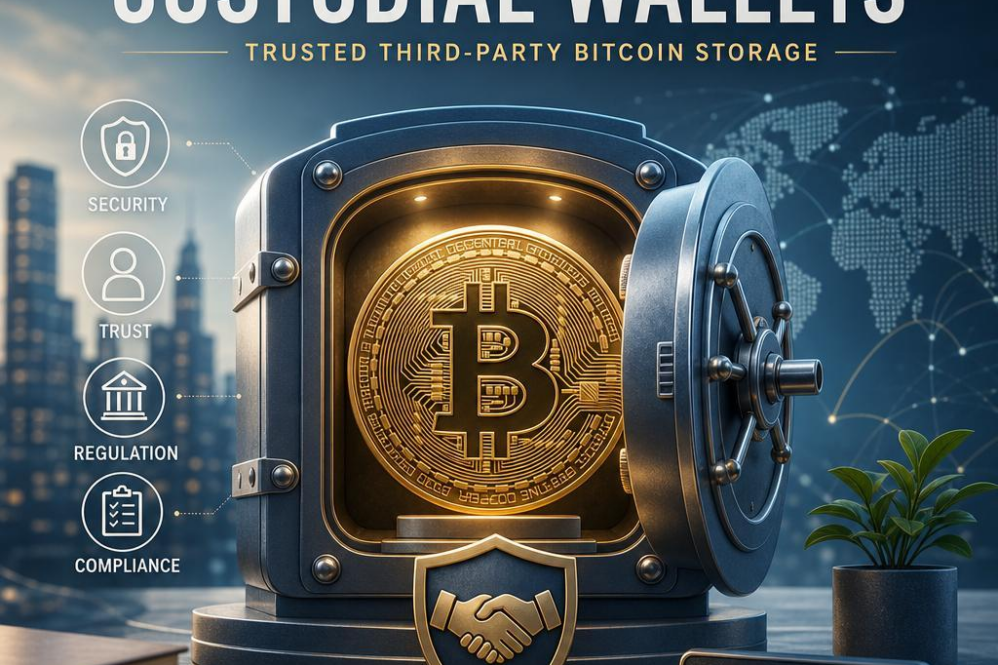
The Fundamentals of Custodial Wallets in bitcoin Storage
Custodial wallets serve as intermediaries, allowing users to store their bitcoin without handling the technical complexities of private keys.these wallets entrust a third party, such as an exchange or specialized wallet provider, with the obligation of securing and managing the assets. By doing so, users benefit from enhanced convenience and user-friendly interfaces, making cryptocurrency more accessible to those less familiar with blockchain technology.
Despite their simplicity, custodial wallets also bring inherent risks associated with centralized control. Users must place significant trust in the custodian’s security protocols and operational integrity.Key concerns include susceptibility to hacking, regulatory interventionsand possible mismanagement. as a critical factor, custodial wallets often incorporate rigorous compliance measures, insurance policiesand multi-layered security techniques to mitigate these vulnerabilities.
| Aspect | Custodial Wallets | Non-Custodial Wallets |
|---|---|---|
| Control | Third-party holds private keys | User owns private keys |
| Security Responsibility | Custodian managed | User managed |
| Convenience | High, with support | Lower, requires knowledge |
| Risk | Centralized failure points | User error risks |
The decision to use a custodial wallet ultimately depends on one’s priorities: convenience and ease of use versus absolute control and security autonomy. Institutions and casual users frequently prefer custodial wallets for their streamlined experience, while advanced users may opt for full control via non-custodial solutions. Understanding these trade-offs is essential for informed bitcoin storage choices.
Evaluating Security Protocols of Trusted Third-Party custodial Services
When relying on third-party custodial services for bitcoin storage, security protocols are paramount to safeguard assets from theft, fraudor unauthorized access. These services typically implement multi-layered security measures including cold storage, multi-signature walletsand rigorous access controls. Cold storage, where the majority of assets are kept offline, considerably reduces exposure to hacking attempts. Simultaneously occurring, multi-signature technology ensures that no single party can move funds without consensus, adding a strong layer of defense against internal and external threats.
Regular audits and compliance assessments are also critical components of trusted custodial services, providing clarity and confidence. Many reputable providers undergo third-party security audits and adhere to international standards such as SOC 2 or ISO 27001. This practice helps detect potential vulnerabilities before they can be exploited and demonstrates a commitment to maintaining high-security standards. Additionally, compliance with regulatory frameworks ensures custodians operate within legal boundaries, further enhancing user protection.
Below is a comparative summary of key security features commonly implemented across leading custodial services:
| Security feature | Purpose | Common Implementation |
|---|---|---|
| Cold Storage | Protect funds offline | Hardware wallets, air-gapped systems |
| Multi-Signature | Distribute control over transactions | 2-of-3 or 3-of-5 signature schemes |
| Access controls | Limit user and admin permissions | Role-based access, 2FA |
| Audit and Compliance | Ensure transparency and legal adherence | Periodic self-reliant audits |
- Encryption Protocols: Data at rest and in transit are protected with advanced cryptographic techniques.
- Incident Response Plans: Detailed procedures to quickly mitigate breaches or suspicious activity.
- User Authentication: Multi-factor authentication methods prevent unauthorized logins or asset transfers.
Comparative Analysis of Custodial Wallets Versus Non-Custodial Alternatives
Custodial wallets entrust a third party with the responsibility of managing your bitcoin holdings, providing a level of convenience and accessibility that is often unmatched. These wallets simplify key management, allowing users to regain access to their funds via password recovery options or customer support. This ease of use appeals strongly to newcomers and those preferring not to bear the risks associated with private key security.However, this convenience comes at the cost of complete control, as users are effectively handing over the custody of their assets to an external provider.
In contrast, non-custodial wallets empower users by placing the entire control and responsibility of managing private keys in their hands. This model offers unparalleled autonomy and security, especially against risks such as exchange hacks or regulatory seizures. Yet, it also demands a higher level of technical knowledge and vigilance from the user, including safely backing up keys. Losing access to these keys could mean irreversible loss of assets,making personal security protocols critical in this ecosystem.
| Feature | Custodial Wallet | Non-Custodial Wallet |
|---|---|---|
| Control | Third-party controlled | User-controlled |
| Security Risk | Subject to platform breach | Depends on personal management |
| Usability | More user-friendly | Requires technical knowledge |
| Recovery Options | Password recovery, support | Backup phrases only |
| Privacy | Lower, data shared with custodian | Higher, user data private |
- Convenience: Custodial wallets excel in user support and ease of recovery.
- Risk tolerance: Non-custodial wallets demand higher personal security responsibility.
- Use case: Custodial suits casual investors; non-custodial adapts to experienced users.
Regulatory Compliance and Legal Considerations in Custodial bitcoin Storage
Engaging with custodial bitcoin wallets necessitates a firm understanding of the regulatory frameworks that govern digital asset custodians. These entities often fall under stringent financial regulations designed to protect consumers and ensure the integrity of the digital currency ecosystem. Key compliance requirements typically include rigorous Know Your Customer (KYC) and Anti-Money Laundering (AML) protocols, which mandate thorough identity verification and transaction monitoring. Failure to adhere to these regulations can result in severe penalties and loss of trust from users and regulatory bodies alike.
Legal considerations extend beyond KYC and AML to encompass the custodial service’s responsibility in asset protection and data security. Custodians must comply with laws pertaining to data privacy, safeguarding sensitive user information under statutes such as the GDPR in Europe or CCPA in California. Additionally, the legal framework often requires obvious operational disclosures, including information about insurance coverage, security measuresand contingency plans. This transparency is vital to establish fiduciary responsibility and protect users from potential operational risks.
Below is a concise overview of critical compliance elements relevant to custodial bitcoin storage:
| Compliance Aspect | Key Requirement | Implication |
|---|---|---|
| KYC/AML | customer identity verification and transaction monitoring | Prevents fraud,money laundering,and illicit activities |
| Data Privacy | Protection of user data and compliance with data laws | Ensures confidentiality and reduces legal liabilities |
| Transparency | Disclosure of security protocols and insurance coverage | Builds user trust and legal accountability |
Best Practices for Selecting a Reliable Custodial Wallet Provider
When choosing a custodial wallet provider,security should be your paramount concern. Evaluate the provider’s encryption standards, multi-factor authentication optionsand history of breaches or vulnerabilities. Trusted custodians often employ cold storage mechanisms,separating the bulk of assets from online connectivity,thereby minimizing risk. Additionally, transparency in security protocols and regular third-party audits provide valuable assurance about the integrity of their systems.
Another crucial factor is the provider’s reputation and regulatory compliance. Select a custodian that adheres to relevant financial regulations and has clear licensing to operate. Research user reviews, industry certificationsand partnerships within the cryptocurrency ecosystem. A reputable provider will openly communicate its policies on insurance coverage, dispute resolutionand customer data privacy, offering users confidence that their digital assets are protected under legal frameworks.
Lastly, consider the custodial wallet’s usability and customer support. A reliable service should deliver smooth, intuitive access across multiple platforms, including mobile and desktop. Look for features such as easy asset recovery options and responsive customer service available around the clock. The table below summarizes key attributes to compare when selecting your custodial wallet provider:
| feature | Why It Matters | What to Look for |
|---|---|---|
| Security | Protects your assets against theft and hacking | Cold storage, MFA, audits |
| Regulatory Compliance | Ensures legal protection and accountability | Licensing, insurance, transparency |
| User experience | Enables easy and reliable access to your funds | multi-platform support, recovery options, 24/7 support |
Strategies for Managing Risk and Ensuring Asset Recovery with Custodial Wallets
Risk mitigation begins with selecting a custodial wallet provider that employs advanced security protocols such as multi-signature authentication, cold storageand regular security audits. These features collectively reduce vulnerabilities by minimizing the attack surface and ensuring that assets are not held in a single, easily compromised location. Users should also verify the provider’s reputation, compliance with regulatory standardsand history of incident response to assess overall trustworthiness.
to further ensure asset recovery, custodial services often implement redundant backup systems and provide recovery mechanisms like mnemonic phrases or multi-factor authentication options that protect access to wallets. Customers benefit from transparent policies concerning account recovery processes, which typically include identity verification steps and contingency plans to restore access swiftly after loss of credentials or device failure.
Consider the following best practices as part of your ongoing asset protection strategy:
- regularly update personal security information and review account activity
- Utilize withdrawal whitelists and transaction alerts
- Engage with customer support to clarify recovery procedures beforehand
| Security Feature | Benefit | Recovery impact |
|---|---|---|
| Cold Storage | Offline asset protection | Reduces risk of hacks |
| multi-Factor Authentication | Prevents unauthorized access | Secures account recovery steps |
| Regular Audits | Ensures compliance and updates | Identifies vulnerabilities early |