June 26, 2026

Capitalizations Index – B ∞/21M

Chinese Investor Sues OKCoin over Bitcoin Cash from Last Year’s Hard Fork

Chinese investor sues okcoin over bitcoin cash from last year’s hard fork

Chinese Investor Sues OKCoin over Bitcoin Cash from Last Year’s Hard Fork


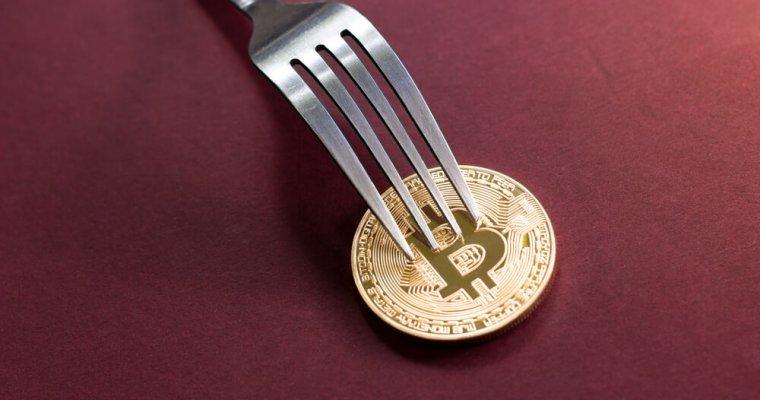
Bitcoin cash hard fork
Advertisement

A Chinese investor has filed a lawsuit against cryptocurrency exchange OKCoin regarding more than 38 bitcoin cash that he claims the platform failed to distribute to him following last year’s hard fork, according to a charge sheet on LegalWeekly.

The plaintiff, known only by the pseudonym Feng Bin, claims he was expecting to get the BCH “airdrop” that occurred when the cryptocurrency hard forked away from the main bitcoin blockchain. Upon attempting to withdraw the 38.748 BCH, which corresponds to his BTC balance at the time of fork, Bin “found that there was no button” to withdraw the BCH as the exchange had promised.

As a result, the investor has filed a $25,000 lawsuit against the platform, and he is also demanding reparations due to “losses” suffered from not being able to sell his BCH when its price reached an all-time high in mid-December.

Deadline for Claiming bitcoin Cash
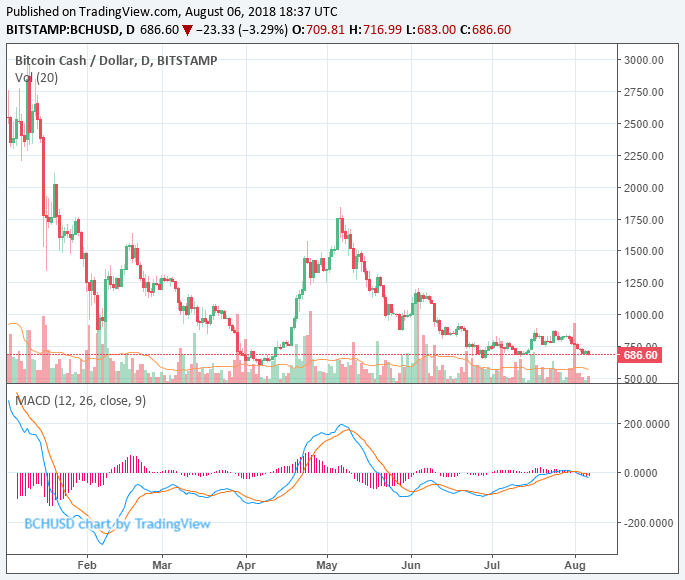
Bitcoin cash price chart
Bch/usd | bitstamp

While Bin claims the exchange made it impossible for him to withdraw the BCH as promised, the exchange responded by saying there was a timeline for users to claim their BCH on the platform. According to a statement released in the publication, OKCoin says, “You cannot claim BCH anymore as the program has been removed from our platform. If you didn’t withdraw it at that time, it would be impossible to make [a] later withdrawal.”

Bin, however, countered by saying he was not aware of any deadline. According to him, he had been following the company’s announcements closely during the period, and there was “no declaration” of a deadline for withdrawing BCH from the platform, as claimed by the exchange.

“I have been paying attention to the announcement of the OKCoin currency release. In all the announcements, there is no declaration of the deadline for receipt and the removal of the program,” Bin stated.

Plaintiff Seeks Reparations

Bin is currently seeking reparations for the losses suffered as a result of being unable to withdraw his BCH and subsequently, denying him the opportunity to sell them at peak prices. He is seeking 169,969.22 yuan (approximately $25,000 in total). OKCoin, however, has no intentions of settling. They believe his claims to the holdings are questionable, describing the lack of trading activity in his account during the period as strange, given last year’s bullish run.

While this is the first lawsuit against OKCoin related to bitcoin cash, it’s not the first time the digital asset exchange is being sued. In 2016, bitcoin investor Roger Ver sued the exchange for $570,000 for allegedly terminating a contract.

Featured Image from Shutterstock

Follow us on Telegram or subscribe to our newsletter here.
Join CCN’s crypto community for $9.99 per month, click here.
Want exclusive analysis and crypto insights from Hacked.com? Click here.
Open Positions at CCN: Full Time and Part Time Journalists Wanted.

Advertisement


Published at Mon, 06 Aug 2018 20:19:09 +0000

Altcoin News[wpr5_ebay kw=”bitcoin” num=”1″ ebcat=”” cid=”5338043562″ lang=”en-US” country=”0″ sort=”bestmatch”]

Previous Article

Ethereum To Be Surpassed By TRON Post VM Launch Says TRX Founder Justin Sun

Next Article

Ethereum Classic Jumps 10% on a Day of Crypto Markets’ Retreat

You might be interested in …

How to Secure Your Cryptocurrency Wallet: 16 Simple Tips for Beginners

Literally millions of people have joined the world of cryptocurrencies recently. For example, Coinbase, one of the biggest cryptocurrency exchanges, has added around 2 million new clients within two months. Blockchain.com, the major electronic wallet, found its client base increase by 1.8 million during the same time frame.


Most of these people are newbies, unacquainted with security issues and risks that surround complex but currently profitable cryptocurrency realm. This makes them easy targets for cybercriminals and thieves.

One popular crime which is conducted on cryptocurrency traders is the phone-porting attack. Crooks monitor social media in search of cryptocurrency discussions wherein people publish their emails and phone numbers for quick connection. After that, hackers use various social engineering techniques and posing as a victim, call the telephone provider and trick the customer support rep into transferring the telephone number to a phone they control. As soon as hackers take charge of the telephone number, they log in to the victim’s wallet or exchange account, reset the password and subsequently snatch all funds from the account.

A phone number is not the only security weak point. Hackers may get hold of your home PC too. Phishing attacks, Ponzi schemes, and ransomware are all widespread forms of cryptocurrency fraud and theft. Nothing teaches a person about security quicker than cybercriminals hacking his account and running off with $5,000 worth of Bitcoins. Once this happens, people tend to get really serious about their security.

So, what is the best method to safeguard your cryptocurrency assets from hacks? We must confess there is no ideal approach to the problem. In this digital age, hard drives, laptops, and phones are becoming the brand new bank vaults. Real-world experience and understanding of how to protect money from thieves are not sufficient for the virtual money.

How to Secure Your Crypto Wallet Like a Boss

How to Secure Your Crypto Wallet Like a Boss

The following tips can be used as a security guide for new cryptocurrency aficionados:

  1. Securing your software wallet is similar to protecting any data on your computer. You have to be a little more paranoid while browsing the Internet, clicking on links and email attachments.
  2. Mobile users may take advantage of Google authenticator with a single IP in its whitelist, which should be the VPN to access the online exchange.
  3. It is important to select an exchange that is not only flexible and easy to use but also reputable and secure. Try to follow the news. If industry leaders disengage from a project it should be a worrying signal. Repeated technical problems and strange policies are additional points of concern. bitcoin withdrawal difficulties will always be a red flag also.
  4. Do create backups. Kept in a secure place, a backup of your cryptocurrency wallet may save you from hardware failures and a lot of human slipups. It will also let you restore your wallet in case your PC or telephone gets stolen.
  5. Encrypting the wallet or your hole device enables you to create a password for those attempting to take out any money.
  6. Although passwords and encryption can protect from thieves, it is not able to put a stop to key-loggers or another malware. It is important to install and keep up-to-date leading antivirus and antimalware solutions. Many of them are free to use.
  7. Prior to creating an account on any exchange, set up a new email box that you will be using for that specific exchange account.
  8. Be sure to choose a very difficult and lengthy password, desirably a passphrase. Write it down on paper and store that piece of paper in a secret place.
  9. Turn on two-factor-authorization not only for login but for any transaction procedures.
  10. While on social media or forums, do not mention what cryptocurrency exchange or wallet you use.
  11. Contact your phone carrier and order all possible levels of security they can offer. Add passcodes, secret questions, pins, etc. Additionally, enable the “do not port” option for any new SIM card.
  12. Web exchanges and wallets all claim they treat security very seriously and implement all necessary protection technologies to prevent breaches and unauthorized transactions. Do not trust these words. Such companies are not banks; they often do not have the same level of security. And even banks get robbed often.
  13. Do not store all Bitcoins in one wallet or exchange. Diversify your risks. It is extremely difficult to steal money from several wallets at once, particularly when you set different email accounts and passphrases for each of them.
  14. Consider keeping big cryptocurrency sums in cold wallets off the Internet. The cold wallet is a technology of keeping Bitcoins offline on hard drives or even paper. Hackers will not be able to reach your funds. On the contrary, the hot wallet is linked to the Internet. It should be used for everyday transactions and is like a checking account, whereas cold wallet may represent your savings account.
  15. Consider examining decentralized exchanges. The difference between decentralized and centralized exchanges is that decentralized exchange does not store your funds. Nobody can gain access to your money except you.
  16. Tell your peers and especially close friends and relatives to embrace the same attitude and mindset. Ecosystems, where all participants treat security seriously, are less attractive to cybercriminals.

Try to always help beginners to buy and sell with security. This territory is new and we should assist people who are trying to find their way. Fortunately, you do not have to be a cryptography professional to make the first security steps which will save you from most of the problems.

Do you take any additional wallet security measures that are not on this list? Let us know in the comments below.


Images courtesy of Wikimedia Commons, AdobeStock

The post How to Secure Your Cryptocurrency Wallet: 16 Simple Tips for Beginners appeared first on Bitcoinist.com.

SEREY Social Media Blockchain Base Q&A

YouTube: blockchain SEREY Social Media Blockchain Base Q&A Morning discussion with Patride about one of social media platforms that paying the distributor. You can join at serey.io and if you have any question please leave […]