bitcoin ATMs Overview and Their Role in Crypto Accessibility
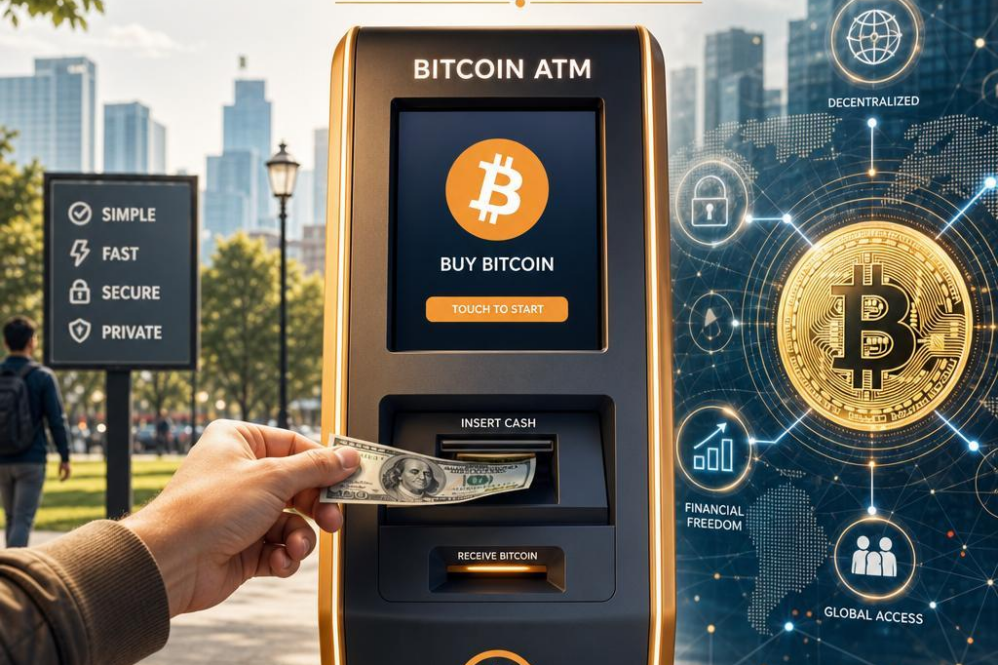
bitcoin ATMs serve as a vital bridge between traditional cash transactions and the digital realm of cryptocurrencies.These machines allow users to quickly buy or sell bitcoin and other cryptocurrencies using physical cash or debit cards, effectively bringing digital currency accessibility to communities without requiring advanced technological knowledge. Strategically located in retail stores,malls,and even airports,bitcoin ATMs simplify the process by offering an intuitive interface familiar to anyone who’s ever used a traditional ATM.This convenience drastically lowers the entry barrier, inviting more individuals to participate in the crypto economy.
One of the key advantages is the immediacy and anonymity these machines provide. Unlike online exchanges that typically demand lengthy identity verification, bitcoin ATMs can offer faster transactions with limited personal details-depending on local regulations.This feature is especially important for users in locations with limited banking infrastructure or those seeking to maintain higher privacy standards without sacrificing compliance. With capabilities ranging from simple cash deposits for purchasing bitcoin to two-way transactions allowing cash withdrawal from crypto balances, these devices enhance user autonomy in managing digital assets.
| Feature | Benefit |
|---|---|
| Accessibility in Remote Areas | Expands crypto usage where banks are scarce |
| Instant Transaction Processing | Eliminates typical exchange waiting times |
| Cash-to-Crypto and Crypto-to-Cash | allows seamless two-way transactions |
| Privacy-Kind Operations | Serves users prioritizing anonymity |
Moreover, bitcoin ATMs act as powerful educational tools. By offering accessible touchpoints, they introduce novice users to the world of cryptocurrencies in a hands-on manner. Many machines include user guides, QR code walletsand customer support options, helping demystify the process of crypto transactions. This practical exposure encourages broader adoption and fosters a more informed user base, ultimately supporting the digital currency ecosystem’s healthy growth and sustainability.
How bitcoin ATMs Enhance Convenience and Security in Transactions
bitcoin ATMs streamline the process of converting cash into cryptocurrency by allowing users to complete transactions quickly without needing traditional banking intermediaries or lengthy online setups.Their user-friendly interfaces guide customers through every step, ensuring even novices can confidently execute a transaction within minutes. Moreover, physical locations for these machines are growing, increasing accessibility for people who may not have regular access to digital wallets or exchanges.
Enhanced security measures make these machines a trusted option for crypto transactions. many bitcoin ATMs incorporate multi-factor authentication and real-time transaction verification to prevent fraud and ensure compliance with financial regulations. This reduces the risk of identity theft and scams, reassuring users that their funds are protected throughout the process. Additionally,the clear nature of the blockchain means every transaction can be independently verified post-transaction,adding another layer of accountability.
For those weighing the benefits, the following table exemplifies why bitcoin ATMs stand out compared to other transaction methods:
| Feature | bitcoin ATM | Online Exchange |
|---|---|---|
| Accessibility | Available 24/7 near physical locations | Requires internet and account setup |
| Transaction Speed | Instant cash to crypto conversion | Can take several minutes to hours |
| Privacy | Moderate, with identity checks | Extensive personal information required |
- Instant availability: No waiting period for transfers or approvals
- Physical presence: Reduces dependency on full digital infrastructure
- Regulatory compliance: Built-in safeguards aligned with current laws
Evaluating the Costs and Fees Associated with bitcoin ATM Usage
When utilizing bitcoin ATMs, the most noticeable expenditure comes from transaction fees, which tend to be higher compared to traditional online exchanges.These fees generally cover the costs of running and maintaining the machinesand also compensating operators for providing convenient access to cryptocurrency.Most bitcoin ATMs apply a fee range of 5% to 15%, depending on the operator and the location, which is an important consideration for users seeking cost-effective crypto transactions.
Beyond transaction fees, users should also be aware of additional factors that may impact the overall cost:
- Exchange rates: bitcoin ATMs frequently enough set their own exchange rates, which can include a markup over the standard market price, effectively increasing the cost of acquisition or sale.
- Withdrawal limits: Many ATMs impose daily or per-transaction limits that may force users to conduct multiple smaller transactions, potentially accumulating more fees.
- ID verification: Some machines require identity confirmation, which can add a time cost and, in some cases, a service fee for enhanced security measures.
| Cost Aspect | Typical Range | Notes |
|---|---|---|
| Transaction Fees | 5% – 15% | Varies by location and operator |
| Exchange Rate Markup | 1% – 7% | Added on top of market price |
| Maximum Withdrawal | $500 - $2,500 | Limits to reduce risk and comply with regulations |
Navigating Regulatory and Compliance Challenges for bitcoin ATMs
As bitcoin ATMs gain traction worldwide, operators face a complex landscape of regulations designed to ensure financial security and prevent illicit activities. Compliance with Anti-Money Laundering (AML) and Know Your Customer (KYC) requirements is paramount. These frameworks require ATM operators to implement thorough identity verification and transaction monitoring protocols, effectively balancing the ease of use with stringent security measures. Failure to adhere can result in hefty fines and operational shutdowns, making regulatory awareness a critical component of enduring business practices.
To streamline regulatory adherence, many bitcoin ATM providers are adopting automated compliance technologies. These solutions integrate real-time identity checks, sanction screeningand suspicious activity reporting into the transaction process. Key benefits include:
- Faster customer onboarding while maintaining regulatory standards
- Automated risk assessment reducing manual oversight
- Thorough audit trails facilitating transparency and accountability
| Compliance Aspect | Regulatory Requirement | operational Impact |
|---|---|---|
| AML/KYC | Identity verification & Reporting | Transaction Delays & enhanced Due Diligence |
| Data Protection | Secure Storage & Privacy Laws | Encryption & Limited Data Retention |
| Licensing | Local & International Authorization | Operational Restrictions & Fees |
Successful navigation of this regulatory surroundings not only safeguards users but also boosts trust in bitcoin ATM services, fostering broader adoption. Operators who proactively engage with regulators and invest in compliance infrastructure position themselves as leaders in an evolving financial ecosystem.
Best Practices for Choosing and Using bitcoin atms Safely
When using bitcoin ATMs,verifying the machine’s legitimacy should be a priority. Look for machines located in reputable establishments such as banks or well-known retail stores. Avoid standalone machines in less secure or poorly monitored areas. Additionally, reviewing user feedback online about the ATM’s operator can provide assurance regarding the machine’s reliability and security protocols.
Always ensure your cryptocurrency wallet is set up correctly and securely before initiating any transaction. Use wallets that offer two-factor authentication and backup seed phrases to safeguard your assets. When at the ATM, double-check the wallet address you enter to avoid sending funds to an incorrect or fraudulent address. Remember that transactions made through bitcoin ATMs are irreversible.
Fees and exchange rates can vary significantly between machines and operators. Here is a rapid reference guide on common fee ranges and transaction limits encountered at different types of bitcoin ATMs:
| ATM Type | Typical Fees | Transaction Limits |
|---|---|---|
| Operator-Owned | 5% - 12% | $100 – $2,500 daily |
| Independent | 7% - 15% | $50 - $1,000 daily |
| Bank-Affiliated | 3% – 7% | $500 – $10,000 daily |
Keeping these factors in mind will enhance your security and experience while transacting through bitcoin ATMs.
Future Trends and Innovations in bitcoin ATM Technology
Advancements in biometric authentication are set to revolutionize bitcoin ATM security and user experience. Fingerprint, facial recognitionand even iris scans will enhance verification processes, reducing fraud and improving access speed. These enhancements promise to create a seamless interface that balances robust security measures with user convenience, making cash-to-crypto transactions faster and safer than ever before.
Integration with multi-cryptocurrency support is another critical innovation shaping the future landscape of these ATMs. Beyond bitcoin, upcoming machines will offer instant exchanges for various digital assets, broadening user options. Additionally, the incorporation of real-time market data will allow users to execute transactions at the most favorable rates, essentially turning these ATMs into mini trading hubs located in everyday public spaces.
We can also expect smart integration with mobile wallets and decentralized finance (DeFi) platforms. This connection will enable users to initiate transactions on their smartphones and complete them at the ATM without manual data entry, minimizing errors and wait times. As part of this trend, enhanced customer support through AI-driven chatbots embedded in ATM interfaces will provide on-the-spot assistance, making digital finance more accessible to all demographics.