Understanding bitcoin’s Role in the Market
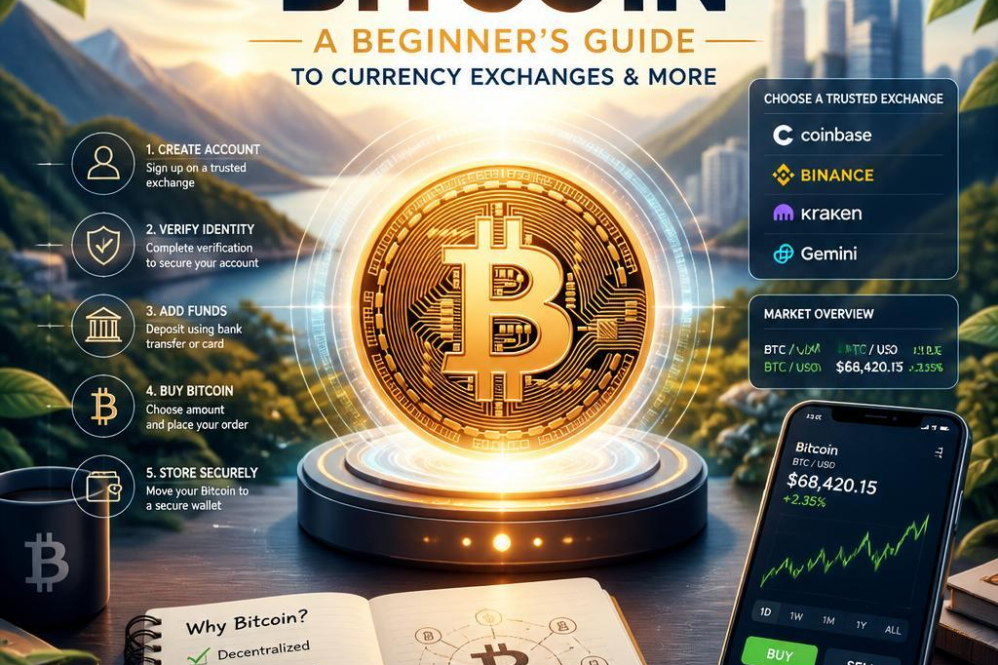
Understanding bitcoin’s place in the global market is crucial for anyone considering investing in it. One of the primary concerns for beginners is how to access and use this digital currency. This comes down to using a currency exchange, which serves as an intermediary between buyers and sellers.
When selecting an exchange,consider the following factors:
• Fees
• Security measures
• Range of supported currencies
• User interface and experience
A well-regarded example is Coinbase’s basic plan (Table 1),which offers a balance between affordability and security. This straightforward option prioritizes simplicity and accessibility for those new to cryptocurrency.
| Plan | Monthly Trading Volume | Coinbase Fees |
|---|---|---|
| Basic | $5,999 or less | 4% for all purchases (including ACH) |
While this might not provide the lowest fees available, it’s an attractive option due to its user-amiable interface and high security standards. The absence of a brokerage account eliminates some risks associated with holding or lending funds directly through exchanges.
It’s essential to have a basic understanding of how bitcoin operates within these currency exchanges before taking any action. This involves comprehending order types, price determinationand exchange dynamics. As such, even seasoned investors can find themselves requiring more facts in this regard.
Finding Trustworthy Currency Exchanges for Beginners
Buying bitcoin requires more than just a willingness to take the plunge; it also demands a certain level of financial savviness. One of the most critical decisions beginners face is selecting a trustworthy currency exchange platformand for good reason. Not all exchanges are created equal, with some operating under lax regulations or prioritizing profits over security.
When browsing for an exchange, look beyond flashy advertisements and glowing reviews. Pay attention to red flags, such as no clear regulatory compliance, vague licensing documentsor suspiciously low fees. it’s also crucial to research the platform’s reputation, checking online forums and review sites to gauge user satisfaction. As a beginner, stick with established exchanges that have built trust over time; newcomers might be untested.
To get started, consider the following key factors when evaluating an exchange:
• Licensed and Compliant (ensure it meets regulatory requirements)
• Transparent Fees and Terms
• Strong Security Measures in Place (e.g., 2FA, cold storage)
• Customer Support Quality
Here’s a breakdown of some essential information you should find on the exchange’s website:
| Regulatory Compliance | Coin Pairs | Fees Structure | Company name, license numberand relevant documents | Available cryptocurrencies, fiat currenciesand their pairs | Liquidity fees, withdrawal fees, deposit fees (if applicable) |
|---|
In practice, this means more than just checking a box on an online form. It requires taking the time to thoroughly research each aspect of the exchange, asking questions when unsureand trusting your instincts if something seems off. Remember,no amount of money is worth the risk of financial exploitation or data security breaches.
Navigating Regulations: Know Your Exchange’s Obligations
When buying bitcoin for the first time, it’s easy to get lost in the sea of technical jargon and regulatory fine print. One crucial aspect that frequently enough falls through the cracks is understanding your exchange’s obligations. You see, not all exchanges are created equaland while they may share similarities in their core operations, each one has its own set of rules and regulations that you should be aware of before making a purchase.
Take, for instance, the difference between KYC (Know Your Customer), which requires personal identification information from users to prevent illicit activitiesand AML (Anti-Money Laundering) procedures. While these measures aim to create a safer habitat for trading cryptocurrencies, they can also be restrictive at times. It’s essential to research your exchange of choice and familiarize yourself with their policies regarding withdrawal limits,dormant account fees,and the accepted payment methods.
Here are some aspects of an exchange you should consider when choosing where to purchase bitcoin:
• User reviews and feedback
• Licensing status (check if they’re registered with relevant authorities)
• Supported cryptocurrencies and trading pairs
• Fees structure (compare transaction fees with those from other exchanges)
Here’s a simple breakdown of common trading regulations:
| Regulation | Description |
|---|---|
| KYC/AML | Anti-money laundering measures and user verification requirements |
| Margin Buying | Ability to buy more bitcoin than deposited funds allow |
| Fiat/Crypto Withdrawal Limits | Maximum amount of fiat or cryptocurrency that can be withdrawn per account |
Take the time to understand these factors before committing to an exchange.Not only will this save you from potential headaches down the line, but it’ll also ensure a smooth, trouble-free buying experience as you navigate the world of bitcoin trading.
Mitigating Risks with Secure Wallet Options and Best Practices
As you begin to explore the world of cryptocurrency,it’s essential to understand the basics of currency exchanges and secure wallet options that safeguard your investments. A well-structured exchange account serves as the foundation for a smooth buying experience.
To ensure you’re using a reputable exchange, look for one with high security ratings, transparent fee structuresand adequate customer support. The following table outlines some essential features to consider:
| Feature | Description |
|---|---|
| Two-Factor Authentication (2FA) | A security measure that requires a second form of verification, typically via SMS or authenticator app. |
| Data Encryption | The use of encryption algorithms to protect sensitive information stored on the exchange’s servers. |
Having a secure wallet in place is crucial for storing, sendingand receiving bitcoin. You can choose between software wallets (installed on your device), hardware wallets (external devices that store private keys)or web wallets (hosted by online platforms). When selecting a wallet, consider the level of security you require and whether it’s user-friendly enough for you to manage without expertise.
**Selecting a Reputable Broker to Buy or Sell bitcoin Easily
If you’re new to the world of cryptocurrencies, buying bitcoin can seem like a daunting task. there are numerous brokers and exchanges claiming to offer competitive rates and secure transactions, but distinguishing between reputable and suspect platforms can be incredibly challenging. To navigate this labyrinth, it’s essential to research and understand the key features to look for in a reliable broker.
When selecting a broker to buy or sell bitcoin, consider the following factors:
* Liquidity: Ensure that the exchange has sufficient liquidity to fulfill your trading requirements.
* Security: Verify that the platform uses robust security measures, such as two-factor authentication and cold storage for funds.
| Broker Feature | Description |
|---|---|
| Trading Fees | commissions and fees associated with buying or selling cryptocurrency |
A broker’s reputation is also a crucial aspect to consider. Research online reviews from other users, check for any regulatory certifications (if applicable)and verify if the platform has been involved in any notable controversies or security breaches.
Once you’ve identified a potential candidate, take some time to scrutinize its fees structure, payment optionsand customer support. Some exchanges may charge higher fees than others, while some might offer more flexible payment methods. Compare these aspects with your specific needs and trading goals to determine the most suitable option for you.