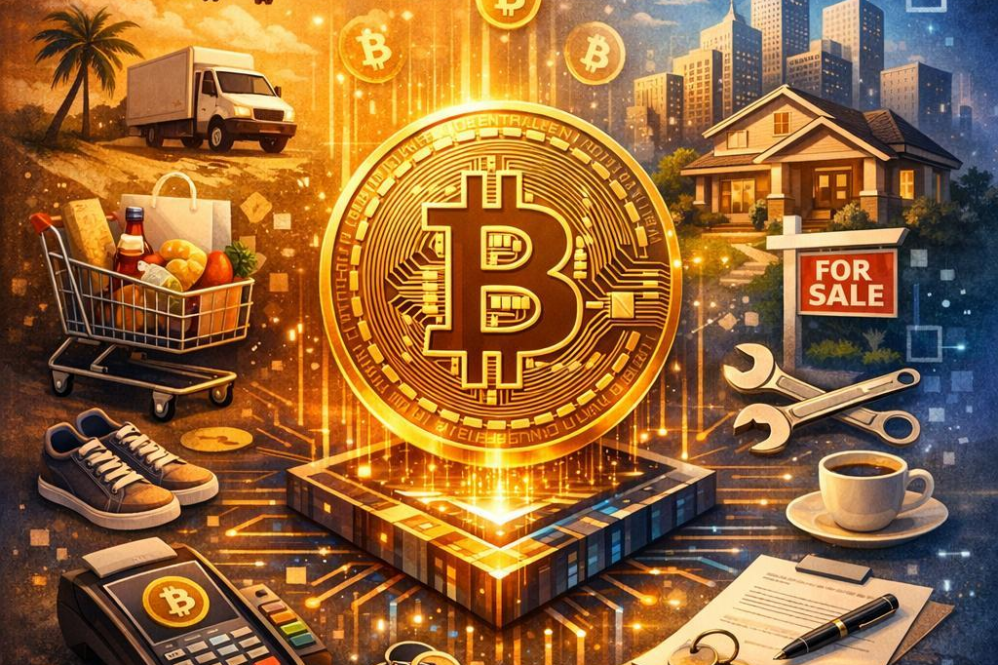
the Evolution of bitcoin as a Medium of exchange
bitcoin’s journey from a novel digital asset too a widely accepted medium of exchange highlights its growing adaptability. Initially embraced by tech enthusiasts and libertarians,bitcoin is now increasingly accepted in everyday transactions-from purchasing coffee to securing vacation rentals. This shift is fueled by the currency’s decentralized nature, which eliminates intermediaries and enables faster, borderless payments. such attributes make bitcoin an appealing option for consumers seeking both convenience and security in their transactions.
As merchants and service providers recognize the potential of bitcoin payments, an expanding ecosystem of tools and platforms has emerged to facilitate seamless integration. Many online retailers now accept bitcoin alongside customary payment methods, supported by payment processors that convert crypto to fiat currency instantly, mitigating volatility concerns.Additionally, sectors like travel, entertainmentand freelance services have seen a surge in bitcoin payment acceptance, demonstrating its versatility beyond simple retail purchases.
Real estate transactions wiht bitcoin represent one of the most compelling examples of its evolution. Buyers and sellers are increasingly closing property deals using bitcoin, leveraging its openness and security. The table below outlines notable benefits contributing to bitcoin’s rising role in real estate:
| Benefit | Description |
|---|---|
| Speed | Faster closing times compared to traditional wire transfers |
| Transparency | Public ledger enables clear transaction history |
| Cost Efficiency | Reduced fees by cutting out financial intermediaries |
| Global Accessibility | Enables international buyers without currency exchange hassles |
this expanding versatility not only underscores bitcoin’s increasing acceptance but also signals a paradigm shift in how value is exchanged worldwide.
Practical Applications for Purchasing Goods with bitcoin
bitcoin’s role in everyday commerce has evolved significantly, enabling seamless purchases across diverse sectors. From boutique retailers to international e-commerce platforms,merchants increasingly accept bitcoin as a form of payment,leveraging its borderless nature and fast transaction processing. This cryptocurrency eliminates the need for traditional banking intermediaries, reducing fees and providing buyers with enhanced privacy and security. For consumers, this means access to global goods and services without the typical currency exchange hassles.
In practical terms, users can buy electronics, fashion itemsand even groceries using bitcoin, either directly through merchants or via specialized payment processors.Many businesses integrate bitcoin payment gateways that convert crypto payments instantly into local currency, mitigating price volatility risks while maintaining the benefits of digital asset use. The convenience and growing acceptance contribute to a user-amiable experience that broadens bitcoin’s appeal beyond investment to daily utility.
| Category | Examples | Benefits |
|---|---|---|
| Retail & E-commerce | Electronics, Clothing, online Marketplaces | Global reach, Reduced fees, Privacy |
| Travel & Hospitality | Flight bookings, Hotels, Car rentals | Fast payments, No currency exchange |
| Real Estate | Property purchases, Rentals | Transparent transactions, Quick settlements |
Utilizing bitcoin in Service Transactions: Benefits and Challenges
Integrating bitcoin into service transactions offers numerous advantages that businesses and consumers alike are beginning to appreciate. One of the primary benefits is speed and efficiency. Unlike traditional banking systems that can take days to process international payments, bitcoin transactions are often confirmed within minutes, reducing delays and enabling faster business cycles. Additionally, this cryptocurrency bypasses intermediaries, resulting in lower transaction fees compared to credit card payments or wire transfers, making it an attractive option for freelancers, consultantsand digital service providers who operate globally.
Despite its advantages, several challenges must be navigated for bitcoin to become a mainstream payment method in service industries.Price volatility remains a prominent concern; sudden fluctuations can affect both sellers and buyers, leading to uncertainty about the final value received or paid. Furthermore, regulatory ambiguity in many jurisdictions introduces compliance complexities, possibly exposing businesses to legal risks if they fail to properly manage digital currency transactions.Users also face usability barriers,including a lack of widespread merchant acceptance and technical knowledge required for securely managing digital wallets.
| Benefit | Challenge |
|---|---|
| Fast,near-instant settlements | Price volatility impacting value |
| Lower fees than traditional methods | regulatory and legal uncertainty |
| Global reach without currency exchange | Limited merchant adoption and awareness |
Navigating real Estate Purchases Using bitcoin
Purchasing real estate with bitcoin has evolved from a niche curiosity into a practical option for savvy buyers and sellers worldwide. The process leverages the blockchain’s transparency and speed to facilitate transactions that bypass traditional banking delays. However, it’s crucial to understand the nuances of this payment method, including legal regulations, tax implicationsand the volatility inherent in cryptocurrency markets. Buyers often work closely with specialized real estate agents and legal experts who understand crypto transactions to navigate these complexities efficiently.
To ensure a smooth transaction, key considerations include:
- Verification of the seller’s willingness and ability to accept bitcoin, as not all sellers or jurisdictions support this method.
- Smart contract utilization to automate escrow and release funds only upon meeting predefined conditions, enhancing trust and security.
- currency conversion strategies to hedge against bitcoin’s price fluctuations, ensuring the transaction’s value remains stable during the process.
| Step | key Action | Benefit |
|---|---|---|
| 1 | Pre-sale Agreement & Crypto Acceptance | Clarity on payment method reduces surprises |
| 2 | use of Crypto Escrow Services | Secures funds untill contract conditions met |
| 3 | Finalizing & Recording on Blockchain | Permanent and transparent record of ownership transfer |
Security Considerations and Best Practices for bitcoin Transactions
when engaging in bitcoin transactions, protecting sensitive information is paramount. Always use wallets that offer strong encryption and two-factor authentication (2FA). Ensuring your device is free from malware and using secure, private internet connections can dramatically reduce the risk of interception or theft. Additionally, regularly updating wallet software is critical, as developers frequently patch security vulnerabilities to safeguard users from emerging threats.
Best practices for transaction safety include:
- Verifying recipient addresses carefully to avoid phishing scams or typographical errors.
- Utilizing multisignature wallets to require multiple approvals before funds transfer.
- Employing hardware wallets for offline storage, effectively separating funds from potential online threats.
| Risk | Mitigation Strategy |
|---|---|
| Phishing Attacks | Confirm URLs and avoid clicking suspicious links |
| Private Key Exposure | Use hardware wallets and back up securely |
| Transaction Irreversibility | Double-check details before confirming payments |
Future Outlook on bitcoin’s Role in Everyday Commerce
As bitcoin continues to integrate deeper into the financial ecosystem, its request in everyday commerce is poised to expand dramatically. We are witnessing a transformative shift where digital currency is not only accepted for small retail purchases but is increasingly being adopted for high-value transactions. This evolution is fueled by growing merchant acceptance, advancements in payment technologiesand robust security protocols that mitigate volatility concerns, paving the way for wider consumer and business confidence.
The practical use cases for bitcoin in everyday life include:
- Purchasing everyday goods from major retailers and niche online marketplaces
- paying for a broad array of services,including travel,entertainment,and professional consultations
- Facilitating complex transactions such as real estate purchases,where bitcoin’s transparency and decentralized verification offer unique advantages
| Category | Benefits of bitcoin payment | Key Considerations |
|---|---|---|
| Goods | Instant settlement,global acceptance | Price volatility,merchant adoption rates |
| Services | Cross-border payments,reduced fees | Regulatory clarity,refund policies |
| Real Estate | Transparent ownership records,efficient transfers | Legal frameworks,property valuation consistency |
Ultimately,the normalization of bitcoin in routine economic activities is set to redefine traditional commerce paradigms. As infrastructure matures and regulatory landscapes stabilize, bitcoin’s capacity to serve as a universal payment medium will likely foster increased financial inclusivity and empower a new generation of digital-first consumers and entrepreneurs.