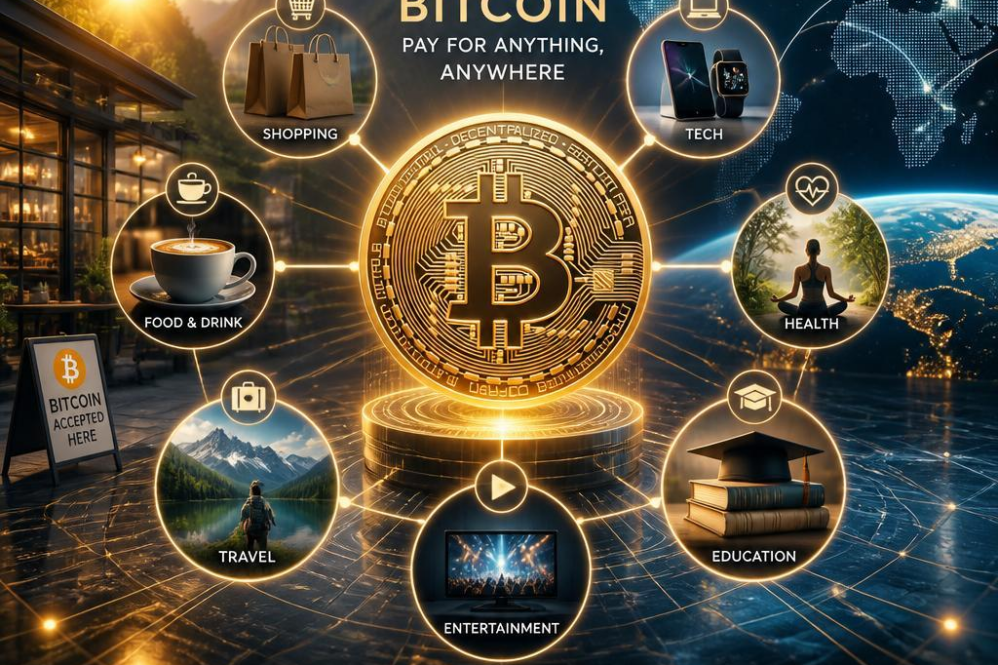
bitcoin Adoption Across Diverse Marketplaces Explored
BitcoinS emergence beyond a speculative asset signifies its increasing acceptance as a practical currency for daily transactions. From online retail giants to niche marketplaces, merchants are integrating bitcoin payment options to facilitate quicker, decentralized, and borderless commerce. This adoption is driven by bitcoin’s ability to reduce intermediaries’ fees, enhance transaction clarityand offer secure, irreversible payments – characteristics highly valued across various consumer segments.
The versatility of bitcoin is evident in the diverse types of goods and services it now helps to procure. The sectors embracing bitcoin span technology stores, luxury goods, travel bookings, digital contentand even dining experiences. This has encouraged a dynamic economy where global users can transact freely without the constraints of customary banking hours or currency exchange fees, making bitcoin not only a vehicle for investment but a viable medium of exchange meeting everyday purchasing demands.
| Marketplace Type | Popular Products | Key Benefit |
|---|---|---|
| Technology & Electronics | Smartphones, Laptops, Software Licenses | Immediate, cross-border payment |
| Travel & Hospitality | Flights, hotel Bookings, Tours | Eliminates currency conversion hassles |
| Luxury Goods | Jewelry, Designer Apparel, Art | High-value secure transactions |
| Digital Services | Streaming, Online courses, Gaming | Fast settlement, no chargebacks |
- Decentralization improves merchants’ autonomy and reduces reliance on traditional payment processors, offering cost savings and enhanced control over their finances.
- Consumer empowerment grows with bitcoin as buyers enjoy privacy and global access to products that were once limited due to regulatory or geographical barriers.
- Innovation in payment technologies including Lightning Network and other second-layer solutions boost bitcoin’s efficiency for micropayments and instant purchase completions.
Analyzing Transaction Efficiency and Cost Benefits of bitcoin Payments
bitcoin transactions have significantly enhanced the payment landscape by offering a streamlined method that cuts through the delays often associated with traditional banking systems. Unlike conventional payment methods that might take days to clear, bitcoin confirmations typically occur within minutes. This speed not only ensures a smoother consumer experience but also reduces the operational overhead for merchants who can complete sales and fulfill orders more quickly. Additionally, the decentralized nature of bitcoin means fewer intermediaries, translating to fewer points of failure and higher reliability in funds transfer across borders.
Cost efficiency stands out as one of bitcoin’s most compelling advantages for payments. Traditional card payments and wire transfers often incur fees ranging from 1.5% to over 3%, sometiems coupled with fixed charges. bitcoin transactions, on the other hand, typically command lower fees that fluctuate based on network demand but remain competitive. By eliminating intermediaries such as banks and payment processors, merchants can save substantially on payment processing costs-a saving that can either boost profit margins or be passed on to customers as lower prices.
Consider the comparison below for typical transaction fees and processing times:
| Payment method | Average Fee | Processing Time |
|---|---|---|
| Credit Card | 2-3% | 1-3 days |
| Bank Wire | $20-$50 per transfer | 2-5 days |
| bitcoin | ~0.5% | 10-30 minutes |
The adoption of bitcoin as a payment method also opens the door to a broader global market, allowing businesses to serve customers without the friction of currency conversion and cross-border restrictions. The transparency and predictability of blockchain technology provide enhanced security and fraud reduction,which are key concerns in digital payment ecosystems. Consequently, bitcoin not only brings transactional advantages but also promotes financial inclusivity and trust.
Security Enhancements and Consumer Protection in bitcoin Transactions
One of the pivotal advancements contributing to the widespread adoption of bitcoin for everyday purchases is the robust security infrastructure embedded within its protocol. bitcoin’s decentralized ledger technology ensures that every transaction is immutably recorded on the blockchain, significantly reducing risks of fraud and unauthorized alterations.Unlike traditional payment methods, bitcoin transactions are verified by a distributed network of miners, enhancing transparency and making it computationally infeasible to manipulate transaction history.
Consumer protection in bitcoin transactions has also been bolstered by the integration of multi-signature wallets and time-locked contracts. These mechanisms add multiple layers of authorization before funds can be moved, empowering users with enhanced control and safety over their assets. Moreover, the rise of regulated cryptocurrency custodians and payment processors has introduced additional safeguards, such as insurance coverage and dispute resolution processes, aligning bitcoin payments more closely with established consumer rights found in fiat currency transactions.
| Security Feature | Purpose | Benefit to Consumers |
|---|---|---|
| Multi-Signature Wallets | Require multiple approvals to authorize payments | Prevents unauthorized transactions and enhances fund protection |
| Blockchain Transparency | Publicly verifiable transaction history | Enables traceability and deters fraudulent activity |
| Regulated Custodians | Secure storage with insurance and compliance | Offers recovery options and protects consumer funds |
Comparative Assessment of bitcoin Versus Traditional Payment Methods
Traditional payment methods such as credit cards, debit cardsand bank transfers have long dominated the landscape of consumer transactions, offering widespread acceptance and security through familiar financial institutions. However,bitcoin introduces a groundbreaking paradigm by functioning as a decentralized currency that operates independently of conventional banking systems. This independence not only reduces transaction fees significantly-especially for international purchases-but also ensures near-instantaneous transfers without the need for intermediaries.Consequently, bitcoin empowers users with a level of financial autonomy and efficiency that traditional methods often cannot match.
When examining practicality and versatility,bitcoin excels in several key areas:
- Borderless transactions without currency conversion fees or delays.
- Enhanced privacy features that protect purchaser identity and data.
- Accessibility for those without access to traditional financial services.
- Capability to serve as both an investment asset and a spending medium.
these attributes position bitcoin not only as a payment alternative but as a transformative tool shaping consumer behavior in digital commerce.
| Feature | bitcoin | Traditional Methods |
|---|---|---|
| Transaction Speed | Minutes | Seconds to Days |
| Fees | Low to Moderate | Moderate to High |
| Global Accessibility | Worldwide | Country-Dependent |
| Privacy | High (Pseudonymous) | Low to Moderate |
This comparative assessment highlights bitcoin’s unique ability to bridge the gap between borders, cost efficiencyand privacy, presenting a compelling alternative for both consumers and merchants seeking adaptability in their payment options.
Regulatory Considerations and Compliance Strategies for bitcoin Usage
As bitcoin gains traction as a payment solution, navigating the evolving regulatory landscape is imperative for both businesses and consumers. Different jurisdictions impose various compliance requirements, including Anti-Money Laundering (AML) and Know Your Customer (KYC) protocols. Businesses accepting bitcoin must implement robust verification processes to prevent illicit activity and maintain transparency with regulatory authorities. Failure to adhere to such frameworks can result in legal sanctions or reputational damage.
Strategic compliance planning involves staying abreast of updates issued by financial regulators and adapting internal policies accordingly. This proactive stance aids in reducing operational risks while fostering trust among stakeholders. Importantlyorganizations should employ regular audits and reporting mechanisms to ensure continuous alignment with the law without hampering the fluidity that makes bitcoin an appealing medium of exchange.
| Compliance Focus | Recommended Strategy |
|---|---|
| AML & KYC Verification | Implement multi-factor authentication and real-time identity checks |
| Tax Reporting | Automate transaction tracking and maintain detailed records |
| cross-Border Transactions | Consult international regulatory guidelines and partner with licensed exchanges |
Ultimately, blending regulatory adherence with innovative technology solutions is key to harnessing bitcoin’s full potential for everyday purchases. proper governance not only safeguards users but also contributes to legitimizing cryptocurrency as a mainstream payment alternative worldwide.
Future Outlook and Practical Recommendations for Integrating bitcoin in Commerce
The expanding adoption of bitcoin in commerce signals a transformative wave for how transactions are conducted globally. Businesses eyeing integration should prioritize establishing robust digital wallets alongside seamless payment gateways to handle bitcoin transactions efficiently. Strategic collaborations with cryptocurrency payment processors can mitigate volatility risks and ease conversion to fiat currencies, thereby safeguarding revenue streams. Embracing blockchain-enabled transparency also has the potential to enhance consumer trust-a key factor driving sustained adoption.
Practical approaches to effectively embed bitcoin in retail and online platforms include:
- Implementing dynamic pricing models that allow real-time bitcoin value adjustments
- Training sales and support teams to handle cryptocurrency queries and troubleshoot transaction issues
- Offering incentives or discounts for customers choosing bitcoin payments to encourage uptake
- Ensuring compliance with regional regulatory frameworks to prevent legal complications
| Aspect | Opportunity | Challenge |
|---|---|---|
| Transaction Speed | Near-instant settlements globally | Network congestion during peak times |
| Cost Efficiency | Reduced intermediaries lower fees | Fluctuating transaction fees impact pricing |
| Consumer Reach | Access to unbanked and international customers | Limited mainstream awareness and education |
To truly leverage bitcoin’s versatility, businesses must continuously evaluate system upgrades and adopt innovative security protocols. this proactive stance not only preserves transactional integrity but also positions merchants as forward-thinking leaders in the evolving digital economy.