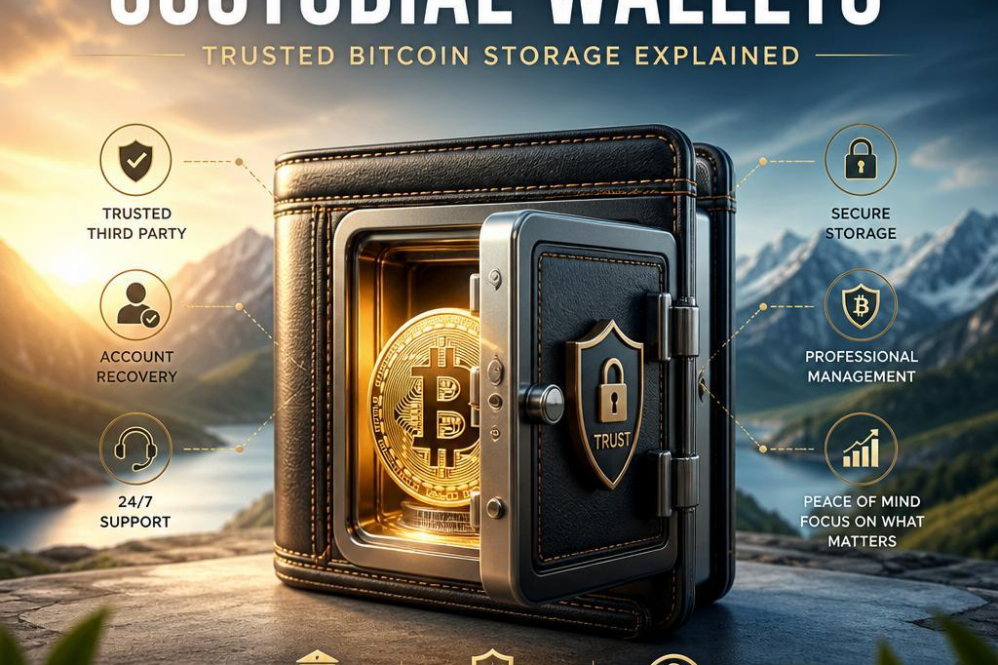
Understanding Custodial Wallets and Their Role in bitcoin Storage
At the core of bitcoin storage, custodial wallets act as a third-party service that holds and manages users’ private keys on their behalf. Unlike non-custodial wallets where the user maintains full control, custodial wallets relieve users of the technical complexity and security responsibility tied to key management. This model offers convenience, making entry into the cryptocurrency ecosystem accessible for beginners and those looking for a seamless experience.
the trust inherent in custodial wallets is backed by robust security protocols, including encryption, multi-signature authorizationand cold storage solutions. However, this centralized approach introduces an element of dependency on the custodian’s reliability and compliance measures. Users essentially trade direct control for guaranteed ease of use and potential insurance protections,making it essential to evaluate providers carefully based on their security track record and regulatory standing.
Key features of custodial wallets include:
- Professional management of private keys and backups
- Streamlined user interfaces for transactions and account management
- Integrated security layers such as two-factor authentication
- Potential regulatory oversight and insurance coverage
| Aspect | Custodial Wallets | Non-Custodial Wallets |
|---|---|---|
| Control | Third-party manages keys | User manages keys |
| Security Responsibility | Custodian liable | User liable |
| Convenience | High – user-kind | moderate - technical knowlege needed |
| Risk | Custodian breach risk | Key loss risk |
Key Security Features that Define a Trusted Custodial Wallet
Trusted custodial wallets integrate multi-layered encryption protocols to safeguard users’ bitcoin assets. This includes AES-256 encryption combined with Secure Socket Layer (SSL) technology to ensure data transmission between the user’s device and wallet servers remains impenetrable.Additionally, custodial services frequently enough enforce stringent identity verification processes such as Know Your Customer (KYC), which adds a compliance-driven layer of security that deters fraudulent activities and unauthorized access.
Another cornerstone is the implementation of multi-signature authentication. This requires multiple keys, stored in diversified locations, to authorize a transaction, substantially reducing the risk of single-point failures or hacking attempts. Complementing this is real-time transaction monitoring and anomaly detection systems that continuously scrutinize user activity for suspicious behavior, enabling rapid response and account lockdown if needed to protect funds.
| Security Feature | Benefit | Example Implementation |
|---|---|---|
| Cold Storage Integration | Protection against online breaches | Offline hardware wallets or air-gapped servers |
| two-Factor Authentication (2FA) | Prevents unauthorized access | Authenticator apps, SMS codes |
| Regular Security Audits | Ensures system integrity & trust | Third-party penetration testing |
Comparing Custodial Wallets with Non-Custodial Alternatives
When it comes to managing bitcoin, the choice between custodial wallets and non-custodial wallets is fundamental. Custodial wallets delegate the responsibility of storing private keys to a trusted third party,typically an exchange or a wallet provider. This offers users enhanced convenience and customer support but comes with inherent risks – primarily the dependence on the third party’s security measures and policies. In contrast, non-custodial wallets grant users full control over their private keys, ensuring an unmatched level of autonomy and security, but also requiring them to master key management techniques.
Evaluating these wallet types involves a careful consideration of priorities such as security,usability,and versatility. Custodial options often appeal to beginners or those prioritizing ease of access since password recovery and transaction management are streamlined by the custodian. Non-custodial wallets,however,cater to users who emphasize privacy and control,as thay eliminate counterparty risk. This trade-off can be succinctly summarized:
| Factor | custodial Wallet | Non-Custodial Wallet |
|---|---|---|
| Control over Private Keys | Held by service provider | User has full control |
| Security Responsibility | Custodian responsible | User responsible |
| Ease of Use | High, with customer support | Moderate to advanced |
| Recovery Options | Possible through custodian | User must backup keys |
| Privacy Level | Lower due to third party | Higher, decentralized |
Ultimately, choosing between these wallets depends on individual needs. Those prioritizing convenience and support might lean toward custodial wallets, accepting the trade-off of partial control for ease of use. Conversely,people who value decentralization and self-sovereignty,or hold important amounts of bitcoin,generally prefer non-custodial wallets to safeguard their assets independently. Understanding these nuances ensures informed decision-making aligned with one’s bitcoin storage goals.
Best Practices for Choosing a Reliable Custodial Wallet Provider
When selecting a custodial wallet provider, prioritizing security measures is paramount. Look for platforms that implement multi-factor authentication (MFA), cold storage solutionsand clear security protocols. These elements ensure that your bitcoin holdings are safeguarded against unauthorized access and potential breaches. Additionally, check for regular security audits and compliance with industry standards, as these reflect a provider’s commitment to maintaining a robust defensive posture.
Reliability extends beyond security-it encompasses user experience and customer support. A dependable custodial service should offer an intuitive interface that simplifies wallet management for users of all experience levels. Prompt and knowledgeable customer service is critical in resolving issues quickly, especially when dealing with financial assets where delays can be costly. Opt for providers with a proven history of minimal downtime and responsive support channels, including live chat, emailor phone assistance.
Clarity and regulatory compliance play a vital role in building trust with users. Before committing to a custodial wallet, verify the provider’s legal standing and adherence to relevant financial regulations. providers who are open about their ownership, policiesand operational framework foster confidence and reduce the risk of hidden fees or unexpected restrictions.
| Feature | What to Look For | Why It Matters |
|---|---|---|
| Security Protocols | Cold storage, MFA, audits | Protects assets from hacking |
| User Support | 24/7 availability, knowledgeable reps | Ensures rapid issue resolution |
| Regulatory Compliance | Licenses, transparent policies | Builds trust and legal safety |
managing risk and Ensuring Accountability in Custodial Services
When entrusting your digital assets to a custodial wallet provider, the cornerstone of sound management lies in robust risk mitigation strategies. These services employ elegant security protocols including multi-signature authentication, cold storage solutions, and regular security audits to safeguard bitcoin holdings. Segregation of client assets is a fundamental practice,ensuring that your funds remain distinct and protected even if the custodian faces operational challenges or insolvency.
Transparency and accountability are critical for building trust between custodians and clients. Leading custodial providers often subject themselves to third-party audits and publish attestation reports, enabling users to verify that the assets are properly secured and accounted for. Additionally, real-time transaction monitoring combined with thorough compliance frameworks helps detect and prevent fraudulent activities, minimizing potential losses.
| Risk Factor | Mitigation Strategy | Accountability Mechanism |
|---|---|---|
| Cyber-attacks | Cold storage & multi-factor authentication | Regular penetration testing & audits |
| Operational failures | Asset segregation & insurance coverage | Third-party attestation reports |
| Fraudulent transactions | Real-time monitoring & compliance checks | Transparent reporting & regulatory oversight |
- Continuous improvement: Custodial services regularly update security measures to match evolving threats.
- User education: Empowering clients through knowledge about safe usage reduces risks linked to human error.
- Incident response readiness: Immediate action plans ensure rapid containment and recovery from potential breaches.
Expert Recommendations for Safeguarding bitcoin Using Custodial Wallets
When entrusting your bitcoin to custodial wallets,it is imperative to select providers with an impeccable track record of security and compliance. Reputation matters: opting for well-established custodians backed by strong regulatory frameworks significantly reduces the risk of asset loss. additionally, ensure that the provider employs multi-factor authentication (MFA) and offers insurance coverage against theft or hacking incidents. This dual layer of protection can be a crucial safeguard for your digital wealth.
Another essential practice involves understanding the access and withdrawal protocols associated with your custodial wallet. Reliable services often incorporate time delays and withdrawal limits as preventive measures against unauthorized transactions. It is also advisable to maintain strict control over your account credentials and regularly monitor account activity. Setting up alerts for any login attempts or large transfers can provide timely warnings to thwart potential compromises.
| Security Feature | Recommended Implementation | Benefit |
|---|---|---|
| Multi-Factor Authentication | Use with email & authenticator apps | Reduces risk of unauthorized access |
| Cold Storage Backups | Provider stores keys offline | Protects assets from online hacks |
| Transaction alerts | Enable SMS and email notifications | Immediate awareness of unusual activity |
- Regularly update credentials and avoid password reuse.
- Use providers with transparent auditing and strong institutional controls.
- Keep a secondary recovery plan in case of account lockout or breaches.

