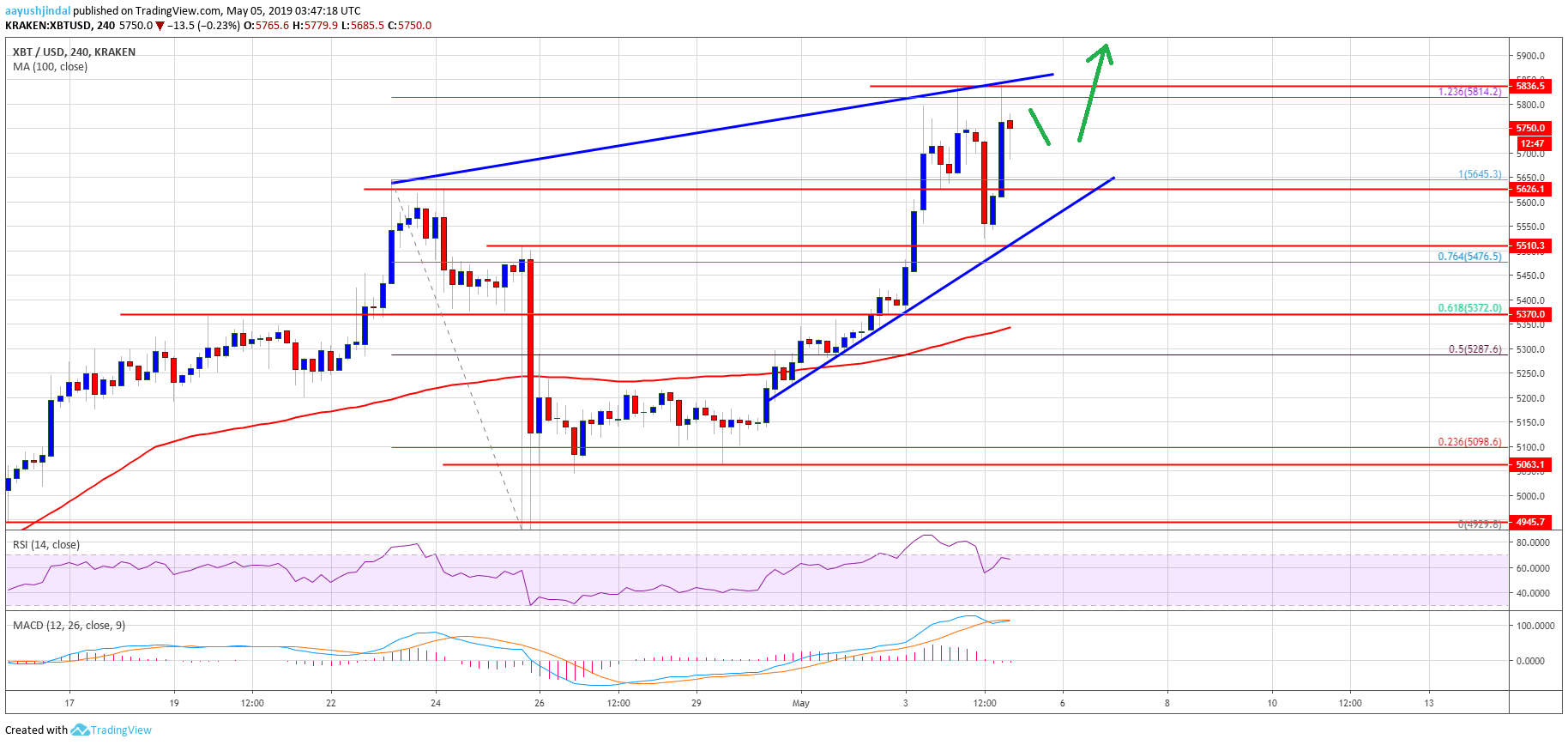
bitcoin’s halving is a pivotal event in teh cryptocurrency’s life cycle that occurs approximately every four years.During this process,the reward given to miners for adding new blocks to the blockchain is cut in half,effectively reducing the rate at which new bitcoins are created by 50%.This scheduled reduction in supply plays a crucial role in controlling inflation and increasing scarcity, as fewer bitcoins enter the market over time. Understanding the mechanics and implications of bitcoin’s halving is essential for investors and enthusiasts alike, as it directly impacts the cryptocurrency’s supply dynamics and potential price movements [[1]](https://www.coinbase.com/learn/crypto-basics/what-is-a-bitcoin-halving) [[2]](https://www.forbes.com/advisor/investing/cryptocurrency/bitcoin-halving/) [[3]](https://www.investopedia.com/bitcoin-halving-4843769).
bitcoin Halving Explained Understanding the Supply Mechanism
bitcoin operates on a fixed supply schedule programmed into its code, which is designed to mimic the scarcity of precious commodities.Approximately every four years,the blockchain algorithm triggers an event known as the “halving,” were the reward given to miners for processing transactions and securing the network is reduced by 50%. This systematic reduction controls the pace at which new bitcoins are created, effectively slowing down supply inflation and preserving scarcity over time.
How the halving affects bitcoin’s supply mechanism:
- Initial mining reward started at 50 BTC per block in 2009.
- Halving occurs every 210,000 blocks, roughly every four years.
- Each halving reduces the block reward by half, e.g., 50 to 25, then 12.5 BTC, and so forth.
| Halving Event | Year | Block Reward (BTC) |
|---|---|---|
| 1st Halving | 2012 | 25 |
| 2nd Halving | 2016 | 12.5 |
| 3rd Halving | 2020 | 6.25 |
This halving mechanism ensures that bitcoin’s total supply will never exceed 21 million coins.By gradually reducing new coin issuance, it maintains a built-in scarcity which is intended to enhance bitcoin’s store-of-value proposition over time. Investors and miners alike monitor halving events closely as they often trigger shifts in market dynamics, influencing price and mining profitability.

Historical Impact of bitcoin Halving on Market Prices
bitcoin halvings, occurring approximately every four years, have historically served as pivotal events in the cryptocurrency’s market dynamics. Each halving reduces the block reward miners receive by 50%, effectively tightening the supply by limiting how many new bitcoins enter circulation. This programmed scarcity has repeatedly influenced market expectations, often leading to anticipation-driven price rallies well before the halving event itself.
The market response to past halvings reveals a pattern of meaningful price appreciations following these supply shocks. As a notable example, after the 2012 and 2016 halvings, bitcoin experienced sustained bull runs, with prices increasing several-fold within the subsequent 12 to 18 months. The reduced issuance compounded with growing demand, created a supply-demand imbalance favoring upward price momentum. However, these cycles also included periods of consolidation and volatility, reflecting broader market adoption and sentiment shifts.
| Halving Year | Price Before Halving (USD) | Price 1 Year After (USD) | Approx. % Increase |
|---|---|---|---|
| 2012 | 12 | 1,000 | 8,233% |
| 2016 | 650 | 2,500 | 284% |
| 2020 | 8,500 | 56,000 | 558% |
Key market behaviors observed during halving cycles include:
- Pre-halving price run-ups driven by speculative interest and supply anticipation.
- Post-halving price surges as reduced supply meets continued or increasing demand.
- Heightened volatility surrounding the halving dates, reflecting market uncertainty and positioning shifts.
Long Term Effects of Reduced bitcoin Supply on Mining
As the bitcoin supply schedule systematically halves approximately every four years, miners face a gradual yet profound shift in revenue dynamics. This controlled reduction in the block reward directly impacts the profitability of mining operations. Over time, the diminishing block rewards meen that miners must increasingly rely on transaction fees and improvements in operational efficiency to sustain profitability. Higher competition will likely incentivize miners to upgrade hardware and optimize energy usage to remain viable within the ecosystem.
The scarcity induced by reduced supply can lead to significant changes in the mining landscape,affecting mining decentralization and network security. Miners with lower operating costs or access to cheap energy sources could dominate, perhaps leading to concentration of mining power. However,persistent technological innovation in mining equipment often helps level the playing field. The network’s security remains reliant on a delicate balance between miner incentives and block reward distribution, which evolves as halving events approach.
Long-term, the transition to a more fee-dependent reward system is expected to reshape the economic incentives behind mining. Transaction fees will become a critical component of miner revenue, encouraging more user participation and larger transaction volumes to sustain the blockchain’s security. This evolution will prompt:
- Increased emphasis on scaling solutions to boost transaction throughput
- Greater market fluidity in mining difficulty adjustments
- Potential fluctuations in miner revenue stability linked to fee market dynamics
Strategies for Investors During bitcoin Halving Cycles
During bitcoin halving cycles, investors often adopt a multi-faceted approach to navigate the shifting market dynamics. One commonly employed strategy is to accumulate bitcoin ahead of the halving event,anticipating a reduction in supply leading to upward price pressure. This period frequently generates heightened volatility, thus positioning for long-term holding has proven valuable for capturing potential gains post-halving.
Risk management plays a crucial role during these cycles. Investors tend to diversify their portfolios by balancing bitcoin holdings with choice assets or stablecoins, mitigating exposure to sudden price swings.Additionally, some opt to implement stop-loss orders and periodic profit-taking, locking in gains while preserving capital during uncertain corrections that often follow initial halving rallies.
| Strategy | Objective | Benefit |
|---|---|---|
| Pre-halving accumulation | Capitalize on supply reduction | Potential for significant price gratitude |
| Portfolio Diversification | Spread risk across assets | protect against market volatility |
| Stop-Loss & Profit-Taking | Manage downside risk | Secure profits and limit losses |
Investors should also remain informed about macroeconomic indicators and regulatory developments, as these factors heavily influence bitcoin’s performance during halving cycles. Combining technical analysis with essential research enables more precise entry and exit timing,ensuring that strategies remain adaptive in an evolving cryptocurrency market.
Q&A
Q: What is bitcoin’s halving?
A: bitcoin’s halving is a pre-programmed event that occurs approximately every four years. During this event, the reward given to bitcoin miners for processing transactions and securing the network is cut in half. This mechanism reduces the rate at which new bitcoins are created and introduced into circulation.
Q: Why does bitcoin undergo halving events?
A: Halving events are designed to control the supply of bitcoin, ensuring scarcity and preventing inflation. By halving the mining rewards regularly, bitcoin’s total supply gradually approaches its maximum cap of 21 million coins, maintaining its value proposition as a deflationary asset.
Q: How often does bitcoin halving happen?
A: bitcoin halving occurs approximately every four years, specifically every 210,000 blocks mined. The timing is based on block height rather then a fixed calendar date.
Q: When was the most recent bitcoin halving?
A: The most recent bitcoin halving took place in April 2024.
Q: What impact does halving have on miners?
A: Halving reduces miners’ rewards by 50%, which can impact their profitability. Miners must rely on bitcoin’s price appreciation or improve operational efficiency to maintain profitability after the halving.
Q: How does bitcoin’s halving affect the overall supply schedule?
A: Each halving cuts the rate of new bitcoin production in half,slowing the supply increase over time. This supply schedule ensures that the total amount of bitcoin will never exceed 21 million, reinforcing scarcity over the long term.
Q: What is the significance of halving for bitcoin investors?
A: Halving events historically have influenced bitcoin’s price due to reduced supply inflation. Investors often see halving as a significant milestone that could impact market dynamics, potentially leading to price increases if demand remains steady or grows.
Q: How is the exact date of a bitcoin halving determined?
A: The date is estimated based on the block height-the number of blocks mined-rather than a fixed calendar date. Because blocks are mined approximately every 10 minutes, the halving date can vary slightly due to fluctuations in mining activity.
Q: what was notable about the 2024 bitcoin halving?
A: The 2024 halving was notable for occurring shortly after the U.S.Securities and Exchange Commission (SEC) approved bitcoin spot ETFs in January 2024, marking a significant period in bitcoin’s regulatory and market growth .
To Wrap It Up
bitcoin’s halving is a crucial mechanism embedded in its protocol that reduces miner rewards by half approximately every four years or every 210,000 blocks.This scheduled reduction plays a key role in controlling the issuance of new bitcoins, ensuring scarcity, and supporting bitcoin’s deflationary nature by limiting its total supply to 21 million coins. Understanding the halving events helps to grasp the underlying economics of bitcoin and its impact on mining incentives, market supply, and price dynamics over time. As these halvings continue into the future, they remain fundamental to bitcoin’s long-term value proposition and the sustainability of its network.