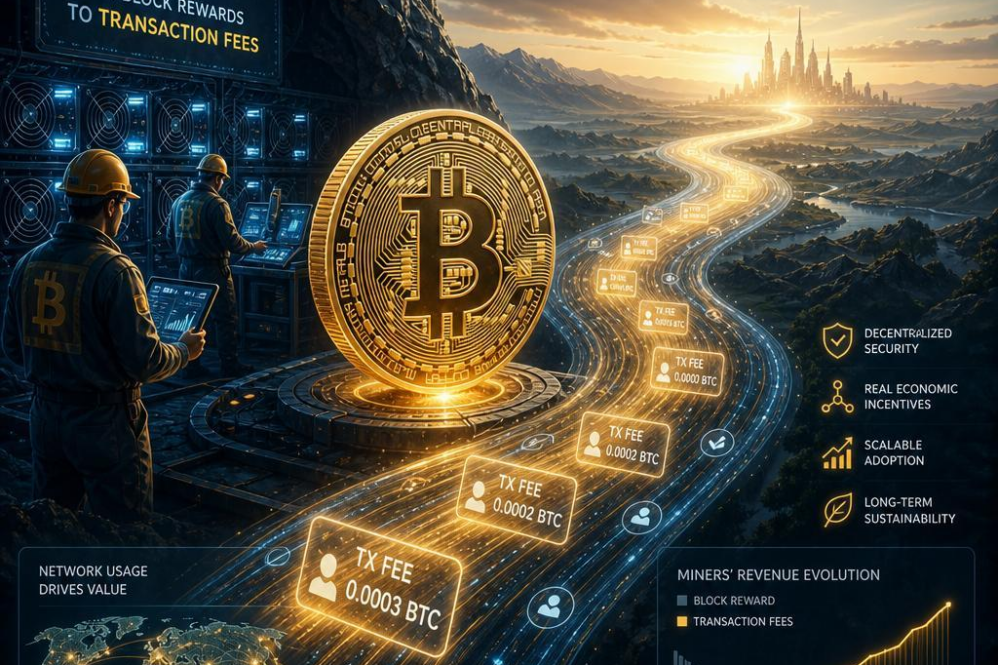
bitcoin Mining Economics Beyond Block Rewards
As bitcoin’s block rewards undergo their well-anticipated halving cycles, miners face a paradigm shift in the economics of their operations. Historically reliant on newly minted bitcoins as a primary revenue source, the diminishing size of these rewards increases the importance of transaction fees as a sustainable income stream. With the fixed supply of 21 million bitcoins approaching its limit, the financial incentive to process transactions will pivot increasingly from block rewards to the fees users are willing to pay for faster confirmations and priority processing.
The evolving dynamics of miner income can be summarized by the following factors:
- Fee market intensification: As block rewards shrink, competition to include high-fee transactions grows, encouraging users to attach higher fees during peak network congestion.
- Network security motivation: Miners must ensure that fee revenue compensates for operational costs, preserving the security and decentralization of the bitcoin network.
- Technological efficiencies: advances in mining hardware and optimization are crucial to maintain profitability when block rewards are no longer as lucrative.
| Year | Block Reward (BTC) | Approximate % Revenue from Fees |
|---|---|---|
| 2020 | 6.25 | 10% |
| 2024 | 3.125 | 25% |
| 2032 (Estimate) | 0.195 | 75%+ |
This trajectory suggests that miners’ business models will need to be more agile, focusing increasingly on optimizing transaction fee capture. The shift to a transaction-fee-dominant revenue structure not only impacts individual miners but also influences the broader bitcoin ecosystem’s health, incentivizing innovative fee market mechanisms and potentially reshaping user behavior in fee bidding strategies.
Impact of Rising Transaction Fees on Network security
The upward trend in transaction fees presents a critical junction for bitcoin’s network security. As block rewards continue to halve approximately every four years, miners increasingly depend on fees to sustain profitability. This shift places transaction fees at the heart of the security model, driving miners to prioritize higher-fee transactions.The consequence is a delicate balance: if fees become prohibitively expensive,network activity may diminish,potentially affecting miner incentives and the overall robustness of the blockchain.
Key challenges accompanying rising fees include:
- Network Congestion: Elevated fees can discourage lower-value transactions, limiting network accessibility and slowing throughput.
- Centralization Risks: Smaller miners might find it less profitable to operate under fee-dependent rewards, increasing the risk of mining power concentrating among larger players.
- Security Incentive Alignment: Ensuring that transaction fees adequately compensate miners to deter malicious activity is critical for maintaining the chain’s integrity.
| Metric | 2015 | 2024 Estimate |
|---|---|---|
| average Block Reward (BTC) | 25 | 6.25 |
| Average Transaction Fee (USD) | 0.10 | 3.50 |
| Number of Miners | 12,000 | 7,500 |
As miners transition toward greater dependency on transaction fees, it becomes paramount for network protocols and community governance to innovate solutions that stabilize fee levels without compromising security. Layer-two technologies and fee optimization mechanisms could play crucial roles in preserving the decentralized ethos while adapting to this evolving economic landscape.
Strategies for Miners Adapting to Fee-Dependent Revenue Models
As bitcoin’s block rewards steadily diminish,miners are reorienting their business models towards maximizing transaction fee income. One essential approach involves optimizing block space utilization by prioritizing transactions with higher fee bids, ensuring that each mined block yields maximal revenue. Advanced fee estimation algorithms and dynamic adjustments to mining software allow miners to selectively include transactions that boost profitability without compromising block validation speed or network trust.
Another strategic pillar is investment in infrastructure efficiency. Miners are upgrading to more energy-efficient hardware and innovating cooling solutions to reduce operational costs. As the margin between revenue and cost tightens, cutting expenses becomes critical. Additionally, strategic geographic placement in regions with cheaper electricity or favorable regulatory environments further enhances the viability of fee-dependent income models.
Collaboration within mining pools also plays a pivotal role. By aggregating individual miners’ hash power, pools can implement cooperative fee management strategies. This includes equitable fee distribution mechanisms and shared transaction selection policies that balance network security with economic incentives. The table below summarizes key strategies and their primary benefits:
| Strategy | benefit |
|---|---|
| Optimized Transaction Selection | Maximizes fee revenue per block |
| Energy-Efficient Hardware | Reduces operational costs |
| Geographic Diversification | Leverages cheaper power and regulations |
| Mining Pool Cooperation | Improves fee distribution and network stability |
Policy Recommendations to Ensure Sustainable bitcoin Mining
To secure the sustainability of bitcoin mining as block subsidies gradually diminish, regulatory frameworks must evolve thoughtfully. Key policy interventions should prioritize energy efficiency incentives, encouraging miners to adopt greener technologies and renewable power sources. Governments can foster public-private partnerships that subsidize or tax-offset renewable energy investments, ensuring mining operations lower their carbon footprint without compromising network security.
Additionally, policy must reinforce transparency and accountability in mining activities. Implementing standardized reporting requirements on energy consumption and transaction processing metrics will enable stakeholders to monitor the ecological and economic impacts with precision.A culture of openness can be cultivated by mandating disclosures aligned with environmental, socialand governance (ESG) criteria, fostering informed decisions by investors and consumers alike.
| Proposal | Target | Impact |
|---|---|---|
| Renewable Energy Subsidies | Mining Facilities | Reduced Carbon Emissions |
| Energy Consumption Disclosure | Mining Pools | Enhanced Transparency |
| Transaction fee Regulation | bitcoin Ecosystem | Network Stability |
Last but not least, as transaction fees become the principal incentive driving miners, policies need to ensure fee market stability and fairness. Regulatory bodies should explore mechanisms to prevent transaction fee manipulation or fee-spiking attacks that could destabilize the network’s economic model. By safeguarding the integrity of fee structures, the bitcoin protocol can continue rewarding miners adequately, sustaining the ecosystem’s health well into the future.