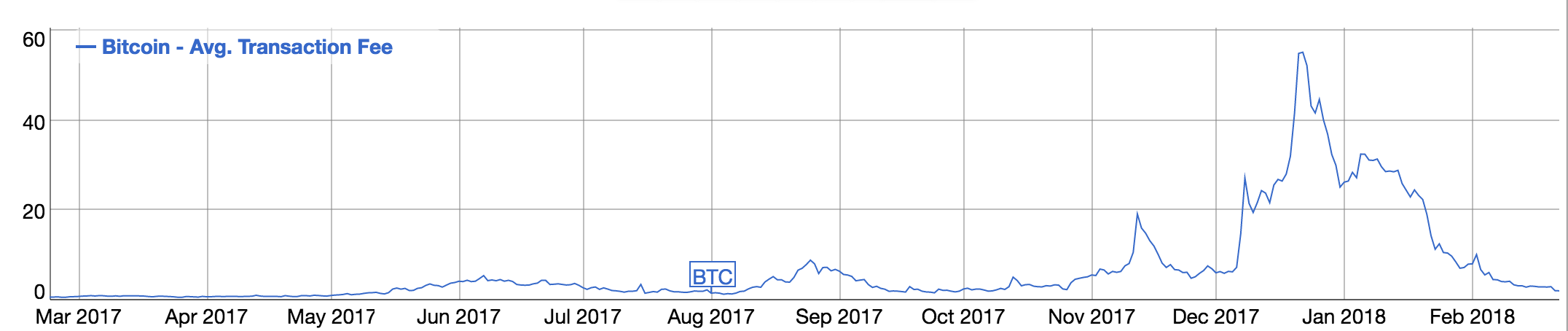
the Evolution of bitcoin Amid Market Turbulence
bitcoin’s journey through financial upheavals reveals a remarkable story of resilience and adaptation. As its inception in 2009, bitcoin has faced multiple market crashes and extended bear markets, yet it continues to command global attention and maintain a meaningful presence in the digital asset ecosystem.Each downturn has served not only as a test of investor confidence but also as an opportunity for technological refinement and regulatory evolution,ultimately strengthening the network’s foundational security and user trust.
Several factors contribute to bitcoin’s ability to withstand prolonged periods of market turbulence:
- Decentralization: The absence of a central authority mitigates risks tied to single points of failure or manipulation.
- Network effects: Growing adoption by individuals, institutions, and payment systems fuels liquidity and market stability.
- technological upgrades: Continued enhancements, such as the implementation of the Lightning Network, improve transaction speed and scalability.
- store of value perception: Increasingly seen as “digital gold,” bitcoin attracts long-term investors seeking protection against inflation.
| Market Phase | Year | Approximate Price Drop | Recovery Span |
|---|---|---|---|
| first Major crash | 2013 | ~85% | 2 years |
| Bear Market Post-2017 Peak | 2018-2019 | ~84% | 1.5 years |
| COVID-19 Crash | 2020 | ~50% | 5 months |
This ancient viewpoint underscores bitcoin’s endurance amidst volatility, marking it as a pioneering financial innovation with an unparalleled ability to navigate and emerge stronger from market storms.
Analyzing the Impact of major Crashes on bitcoin’s Value
The turbulent history of bitcoin reveals a pattern of sharp declines followed by remarkable recoveries, underscoring its resilience as a digital asset. Each major crash, whether triggered by regulatory shifts, technological vulnerabilitiesor macroeconomic factors, has tested investor confidence profoundly. Nevertheless, bitcoin consistently demonstrates a capacity for rebounding stronger, largely because of its unique decentralized nature and growing adoption across diverse sectors.
Several key factors contribute to this endurance:
- Decentralized network architecture, preventing centralized points of failure
- Increasing institutional interest providing steady capital inflow
- Continuous technological advancements enhancing security and scalability
- Strong community support fostering innovation and acceptance
To visually appreciate bitcoin’s price fluctuations during notable downturns, consider this simplified overview of crash severity and recovery timeline:
| crash Event | Peak to Trough Decline | Recovery Time |
|---|---|---|
| 2013 Mt. Gox Collapse | ~85% | ~1.5 years |
| 2017 ICO Bubble Burst | ~84% | ~1 year |
| 2020 COVID-19 Market Crash | ~50% | ~3 months |
| 2022 Market Downturn | ~70% | ~1.5 years |
Analyzing these patterns reveals that while the intensity of crashes varies, bitcoin’s value trajectory post-crisis consistently trends upwards. This endurance is not merely speculative but grounded in multifaceted growth drivers,making bitcoin a unique asset class unlike traditional markets.
Psychological and Economic Factors Influencing bitcoin Bear Markets
Investor sentiment during bitcoin bear markets is often characterized by fear, uncertaintyand doubt - emotions that profoundly affect market dynamics. psychological triggers like loss aversion cause many to sell prematurely at a loss,which exacerbates downward momentum. The volatility inherent in bitcoin amplifies such emotional reactions, as traders and long-term holders grapple with sudden price swings that challenge their risk tolerance and conviction.
Economically, bear markets are influenced by shifts in broader macroeconomic factors and market liquidity. Rising interest rates, inflation expectations, and regulatory changes can reduce speculative appetite and lead to capital outflows from cryptocurrencies back into traditional assets. Furthermore, leverage plays a key role; forced liquidations triggered by margin calls often cascade through the market, intensifying price declines. Understanding this interconnectedness helps explain why bitcoin’s price corrections sometimes appear abrupt and severe.
Below is a concise overview of key psychological and economic factors driving bitcoin bear markets:
| Psychological Factors | Economic Factors |
|---|---|
| Fear-driven selling | Interest rate hikes |
| Loss aversion | Liquidity crunch |
| herd mentality | Regulatory uncertainty |
| Overreaction to news | Margin call liquidations |
- Emotional resilience influences how investors weather downturns.
- Macro conditions often precede and shape crypto market cycles.
- Market structure including leverage amplifies bear market severity.
Strategies for Investors to Navigate volatility and Minimize Losses
Volatility is an inherent characteristic of bitcoin markets, often testing investors’ resolve and strategy. A disciplined approach anchored in dollar-cost averaging (DCA) can mitigate the emotional reactions triggered by sudden price swings. This tactic encourages regular purchases regardless of market conditions, which helps spread risk over time and avoids the pitfalls of trying to time the market. Alongside DCA, maintaining a diversified portfolio is crucial; exposure to multiple asset classes can cushion the impact during crypto downturns, preserving capital and providing stability.
understanding market cycles and recognizing key indicators is basic for investors aiming to reduce losses. During a bear market, it’s essential to distinguish between short-term dips and long-term downtrends. Utilizing advanced tools such as moving averages, volume analysis, and sentiment indexes enables informed decision-making. Investors should prioritize strategic exits and re-entries instead of reacting impulsively. Limiting exposure to margin trading and high-leverage positions further safeguards portfolios from catastrophic losses when the market contracts sharply.
| Strategy | Benefit | Example |
|---|---|---|
| Dollar-Cost Averaging | Reduces timing risk | Buying $100 of BTC weekly |
| Diversification | Mitigates overall portfolio risk | Mix of BTC, ETH, stablecoins, stocks |
| Technical Indicators | Informed entry/exit decisions | using 50-day moving average cross |
- maintain emotional discipline: Avoid panic selling during sharp declines.
- Set clear risk limits: Use stop-loss orders to contain losses.
- keep updated: Stay informed on regulatory and macroeconomic changes impacting crypto.
Technological and regulatory Developments Strengthening bitcoin’s Resilience
Advancements in blockchain technology and improvements in network protocols have been pivotal in fortifying bitcoin’s robustness over the years. Innovations such as the implementation of segregated Witness (SegWit) and the adoption of the Lightning Network have substantially enhanced transaction efficiency and scalability, reducing congestion and fees. These technical breakthroughs enable the bitcoin network to handle increasing transaction volumes, ensuring continued usability during periods of intense market activity or external stress.
Alongside technological upgrades, regulatory frameworks across various jurisdictions have matured to provide clearer guidance for market participants and investors, helping stabilize bitcoin’s ecosystem. Governments and financial authorities have been developing tailored regulations addressing issues like anti-money laundering (AML) and know-your-customer (KYC) compliance. This evolving legal landscape nurtures trust and legitimacy,paving the way for institutional adoption and reducing susceptibility to abrupt policy changes that could otherwise cause market shockwaves.
The combination of continual innovation and evolving oversight forms a multilayered defense that mitigates risks intrinsic to digital asset markets. Below is a concise outline of key elements reinforcing bitcoin’s resilience:
- Technological Upgrades: Enhanced scalability, security protocolsand off-chain solutions.
- Regulatory Clarity: Stronger compliance frameworks and improved investor protections.
- Institutional Involvement: Entry of regulated financial entities fostering stability.
- Community Governance: Decentralized consensus ensuring protocol integrity and adaptability.
| Development | Impact | Result |
|---|---|---|
| SegWit Activation | Reduced transaction malleability | Faster confirmations,lower fees |
| AML/KYC Regulations | Increased market transparency | Greater institutional trust |
| Lightning Network | Off-chain micropayments | Scalability for everyday use |
Future Outlook and Expert Recommendations for Sustained Investment Success
In navigating the volatile landscape of bitcoin investment,discernment rooted in long-term vision remains paramount. Experts emphasize the value of patience and strategic diversification to mitigate risk and capitalize on the currency’s historic resilience. Rather than responding impulsively to market dips, seasoned investors advocate for measured contributions during bear phases, reaffirming the belief in bitcoin’s intrinsic potential to recover and thrive.
- Adopt Dollar-Cost Averaging: Regularly invest fixed amounts to smooth out the impact of volatility.
- Maintain Portfolio Diversification: Complement bitcoin holdings with other asset classes to reduce exposure.
- Leverage Reliable Research: Base decisions on thorough analysis rather than speculative hype.
| Strategic Pillar | Expert Suggestion | Expected Benefit |
|---|---|---|
| Long-Term Commitment | Resist short-term panic selling | Sustained portfolio growth |
| Education & Analysis | Continuous market research | Informed investment moves |
| Risk Management | Set stop-loss orders wisely | Minimized capital loss |