The Role of Cryptographic Algorithms in bitcoin security
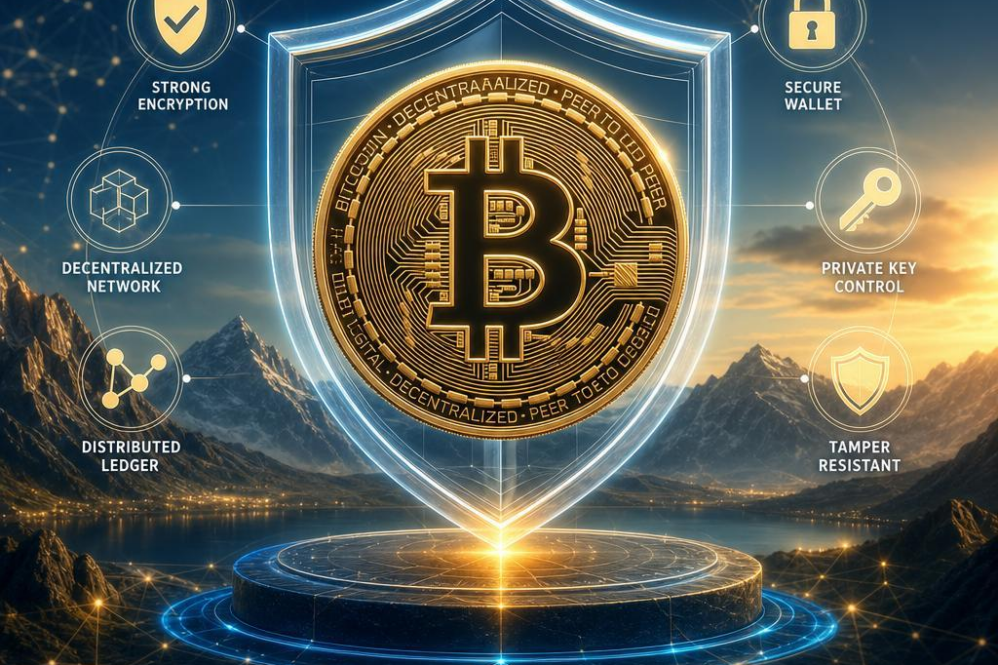
bitcoin’s foundation lies in advanced cryptographic algorithms that safeguard its transactions and network integrity. These algorithms create a secure environment where data is not only encrypted but also verified in a trustless system without relying on intermediaries. the most prominent cryptographic tool in bitcoin is the SHA-256 hashing algorithm, which transforms transaction data into a fixed-size string of characters, making any alteration virtually unfeasible. this ensures that each block in the blockchain is securely linked to the previous one,creating an immutable ledger resistant to tampering and fraud.
Another critical cryptographic component is the employment of Elliptic Curve Digital Signature Algorithm (ECDSA). This algorithm allows users to generate unique cryptographic keys – a private key and a public key - securing ownership and control over their bitcoins. It guarantees that only the legitimate owner can authorize transactions, while the network can publicly verify these signatures without exposing sensitive facts.This decentralized approach to securing digital assets prevents unauthorized access and doubles as a proof of authenticity for every transaction.
| Cryptographic Element | Purpose | Security Advantage |
|---|---|---|
| SHA-256 Hashing | Ensures data immutability | Prevents retroactive data modification |
| ECDSA Signatures | Verifies transaction authenticity | Restricts transaction approval to key owner |
| Private/Public Key Pair | Controls access to funds | Eliminates need for central authority |
These layered cryptographic protections combine to make bitcoin one of the most secure digital currencies available. By employing widely tested and mathematically grounded algorithms, bitcoin’s network fortifies itself against hacking, fraudand counterfeit threats. The ongoing evolution and scrutiny of these cryptographic protocols further enhance confidence in bitcoin’s security framework, empowering users to transact with trust in a decentralized ecosystem.
Understanding the Importance of Private Key Management
At the core of bitcoin’s security model is the concept of cryptographic keys, particularly the private key – a secret piece of data that grants access to your funds. This key acts as the ultimate proof of ownership, allowing transactions to be signed and verified on the blockchain. If this key falls into the wrong hands, your bitcoin can be irreversibly stolen, making robust private key management not just a best practice, but a necessity for safeguarding assets.
Effective private key management involves several critical practices:
- Keeping the key offline in cold storage to prevent exposure to online threats.
- Using hardware wallets designed to securely generate and store private keys.
- Backing up private keys in multiple, geographically separated locations to mitigate loss risks.
- Employing strong encryption and password protection if storing keys digitally.
| Method | Security Level | Convenience |
|---|---|---|
| Hardware Wallets | High | Moderate |
| Paper Wallets (Cold Storage) | Vrey High | Low |
| Software Wallets | Medium | High |
Understanding these options and tailoring your key management strategy according to your risk tolerance and technical proficiency will ultimately determine how secure your bitcoin holdings remain over time.
Best Practices for Safeguarding Your bitcoin wallet
Maintaining the security of your bitcoin wallet is paramount in the ever-evolving digital landscape. One of the foundational steps is to enable two-factor authentication (2FA) whenever possible. This adds an extra layer of protection by requiring two forms of identification before granting access. coupled with a robust, unique password-ideally generated by a password manager-this approach drastically reduces the risk of unauthorized entry.
Cold storage solutions are another essential strategy for safeguarding your assets. By keeping the majority of your bitcoins offline, such as through hardware wallets or paper wallets, you shield them from online vulnerabilities like hacking or phishing attacks. Remember, only keep a small, manageable portion of your bitcoins in hot wallets for daily transactions, minimizing exposure to potential threats.
| Protection Method | Benefits | Recommended Use |
|---|---|---|
| Two-Factor Authentication | Enhances account access security | Every wallet with online access |
| Cold Storage | Prevents remote hacking | Long-term storage of funds |
| Strong Password Management | Reduces password cracking risks | All wallet and exchange accounts |
- Keep backup seeds offline: Store backup recovery phrases in secure, physical locations to ensure wallet restoration is possible in emergencies.
- Regularly update wallet software: Ensure that you are always running the latest version to benefit from security patches and new features.
- Avoid public Wi-Fi when accessing wallets: Use trusted networks or VPNs to prevent interception of sensitive data.
Evaluating Risks and Implementing Multi-Factor authentication
In the dynamic landscape of digital currency, assessing potential vulnerabilities before they escalate into threats is paramount. A thorough risk evaluation involves identifying points of exposure-ranging from software bugs to phishing attacks-and prioritizing mitigation based on their likelihood and potential impact. This process demands continuous vigilance and regular updates, as threat actors constantly evolve tactics targeting bitcoin wallets and exchanges.
Implementing multi-factor authentication (MFA) acts as a robust barrier against unauthorized access. By combining something users know (passwords), something they have (a mobile device or hardware token)or something they are (biometric verification), MFA drastically reduces the chances of successful breaches. Its layered security mechanism complements traditional safeguards, turning even compromised credentials into insufficient entry points.
To better understand how MFA enhances security across platforms, consider the following comparison:
| Authentication Method | Security Level | Typical use Case |
|---|---|---|
| Password only | Low | Basic wallet access, minimal protection |
| Password + SMS Code | Medium | Common exchange sign-ins, moderate protection |
| Password + Authenticator App | High | Secure wallets and trading accounts |
| Password + Hardware Token | very High | Institutional and high-net-worth user accounts |
By integrating multi-factor authentication as a standard, bitcoin users fortify their digital assets against increasingly sophisticated cyber threats, making security a proactive, ongoing process rather than a reactive measure.