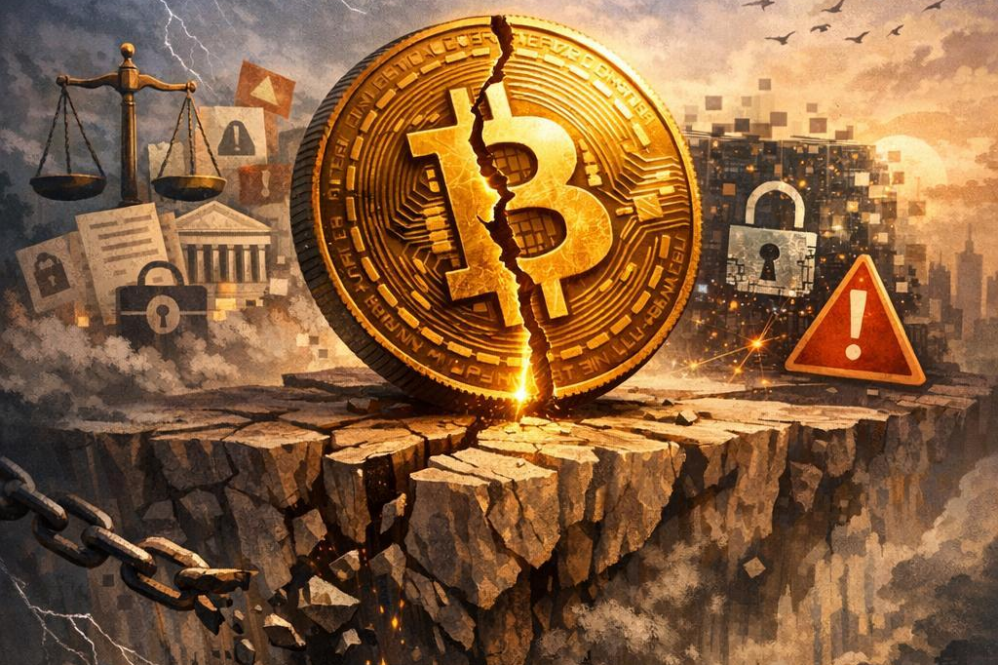
bitcoin Regulation Challenges Impacting Market Stability
Regulatory uncertainty remains one of the most significant hurdles for BitcoinS lasting progress. Governments worldwide are grappling with how to classify and control this decentralized asset – whether as a currency, commodity, or security.This ambiguity leads to inconsistent policies that create an unstable surroundings for investors and market participants. Sudden regulatory announcements can trigger extreme price volatility, undermining confidence and disrupting market liquidity.
Another challenge lies in the cross-jurisdictional nature of bitcoin transactions which complicates enforcement efforts. Unlike traditional financial systems bound by national borders, bitcoin operates on a global peer-to-peer network. This creates loopholes where actors can circumvent restrictive regulations simply by switching platforms or jurisdictions. The lack of coordinated regulatory frameworks hampers efforts to establish a clear compliance structure, fostering an atmosphere where illicit activities could thrive, further eroding trust.
| Challenge | Impact on Market Stability | Regulatory Response |
|---|---|---|
| Classification Ambiguity | Price Volatility | Inconsistent Policies |
| Global Transactional Nature | Enforcement Difficulties | Fragmented Frameworks |
| Potential for Illicit Use | Investor Distrust | Heightened Scrutiny |
As authorities try to strike a balance between innovation and risk control, the evolving landscape demands adaptive solutions. Market participants need clarity and consistency in regulation to foster stable growth. Without it, bitcoin’s potential as a revolutionary financial technology could be undermined by ongoing legal battles and market disruptions.
Technical Vulnerabilities and Flaws Undermining bitcoin Security
Despite bitcoin’s reputation as a secure and decentralized digital currency, it is indeed not exempt from technical vulnerabilities that could potentially cripple its infrastructure. One of the key concerns arises from the complexity of the cryptographic algorithms underpinning the network. While the long-term resilience of SHA-256 and ECDSA remains strong, emerging threats from quantum computing could challenge these foundational elements, leading to risks of key exposure or transaction forgery in the future. Developers and researchers continually monitor these cryptographic horizons, but the timeline and impact remain uncertain.
Another weak point lies in the network protocol and consensus mechanism. bitcoin’s proof-of-work consensus depends heavily on miners acting honestly and maintaining decentralization. Though, the potential for 51% attacks, where a single entity or group controls the majority of hash power, poses a direct threat. Such attacks could enable transaction reversals or double-spending, undermining the trust that fuels the entire ecosystem. Additionally, vulnerabilities in protocol software, such as undiscovered bugs or exploits in node implementations, could disrupt network stability or allow transaction censorship.
- Smart contract limitations: bitcoin’s scripting language is intentionally limited, but errors in these scripts can still cause vulnerabilities.
- Wallet security: user-side weaknesses, including poor key management or phishing, can lead to theft despite network security.
- Third-party risks: Exchanges and custodians may introduce centralized points vulnerable to hacking or fraud.
| Vulnerability Aspect | Potential Impact | Mitigation Efforts |
|---|---|---|
| Cryptography | Quantum attacks, key exposure | Research on post-quantum cryptography |
| Consensus Protocol | 51% attacks, network forks | Decentralization, incentive alignment |
| Software Bugs | Node failure, transaction censorship | Regular audits, bug bounties |
Erosion of trust and Its Consequences for bitcoin Adoption
Trust is the cornerstone of any currency’s widespread acceptance, and bitcoin is no exception. Despite its decentralized design, the perception of reliability hinges on public confidence in the technology, its creators, and the ecosystem supporting it. When scandals, security breaches, or large-scale manipulations emerge, the faith of users and investors erodes rapidly.This loss of trust can discourage new users from entering the market and drive existing ones to liquidate holdings, triggering sharp price declines and volatility that further damage confidence.
Several factors contribute to this erosion. First, the complexity of blockchain technology can intimidate and alienate average users unfamiliar with the inner workings. Misconceptions and misinformation fuel skepticism and fear. Second, incidents such as exchange hacks, fraudulent initial coin offerings, or regulatory crackdowns create a trail of cautionary tales that overshadow bitcoin’s innovative potential. Lastly, the absence of a central authority to mediate disputes or guarantee funds amplifies perceptions of risk, making bitcoin adoption a more precarious decision for many.
| trust Damaging Events | Impact on Adoption |
|---|---|
| Exchange Hacks | Loss of Funds & User Confidence |
| Regulatory Warnings | Market Volatility & Hesitancy |
| Technical Vulnerabilities | Fear of System Failures |
| Media Sensationalism | Public Misunderstanding |
To rebuild and sustain trust, the bitcoin community must prioritize transparency, improve educational outreach, and establish robust security practices. Enhancing user-friendly interfaces and reliable custodial solutions can also mitigate fears surrounding asset safety. Only by addressing the emotional and rational components of trust can bitcoin maintain its momentum as a transformative financial asset.
Strategic Measures to Mitigate Risks and Strengthen bitcoin Resilience
Proactive regulatory engagement is imperative for the sustainable growth of bitcoin. By fostering open dialog between developers, miners, and policymakers, the ecosystem can work towards regulations that protect users without stifling innovation. Establishing clear compliance frameworks and standards will not only reduce legal uncertainties but also encourage institutional participation, enhancing bitcoin’s legitimacy. Transparency initiatives and educational campaigns further build public understanding, helping to pre-empt knee-jerk regulatory responses driven by misinformation or fear.
Technological robustness and continuous improvement serve as the backbone of bitcoin’s resilience. Regular updates to the underlying protocol,security audits,and the adoption of advanced cryptographic techniques help address vulnerabilities before they escalate. Decentralized governance models support this process, empowering diverse stakeholders to participate in code review and decision-making. Additionally, investment in scalability solutions-such as layer-two protocols-ensures that bitcoin can handle increased transaction volumes without compromising network security or speed.
Building and maintaining trust within the community is critical in preserving bitcoin’s unique value proposition. Open-source transparency, clear communication from core developers, and responsive handling of controversies foster confidence among users and investors alike. cultivating a strong, informed community that advocates for best practices helps defend against misinformation and market manipulation. Moreover, integrating robust identity verification tools and anti-fraud measures balances privacy concerns with the need for accountability, sustaining trust as the network continues to evolve.