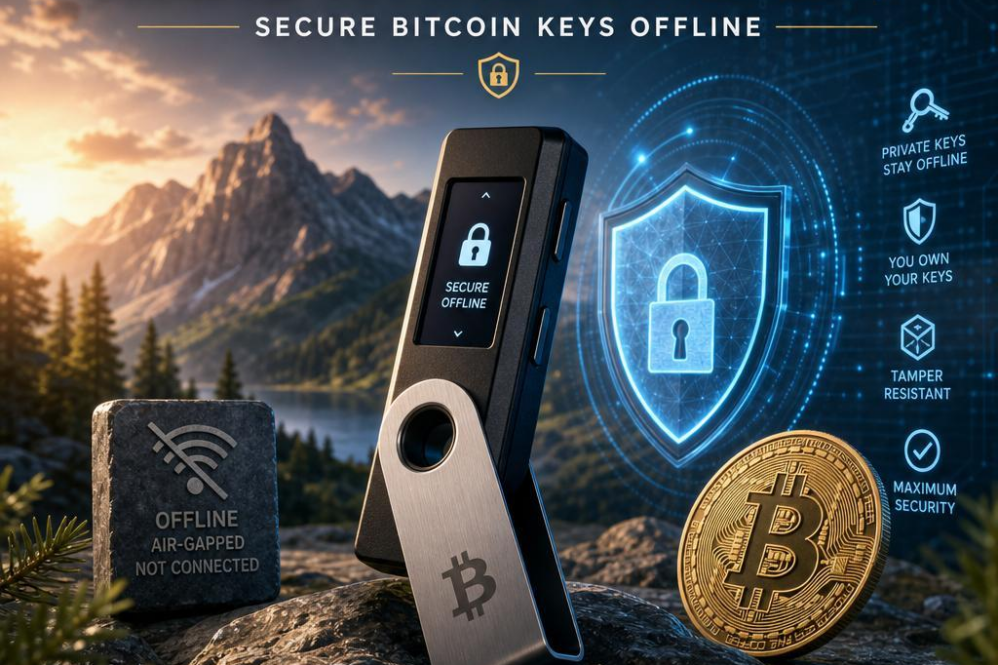
what Defines a Hardware Wallet and Its Role in Cryptocurrency Security
At its core, a hardware wallet is a specialized physical device engineered exclusively to safeguard private keys-the cryptographic keys granting access to your cryptocurrency holdings. Unlike software wallets stored on computers or smartphones, hardware wallets operate independently in an offline surroundings, drastically minimizing exposure to hacking attempts and malware.This air-gapped nature ensures that sensitive keys never directly interface with vulnerable internet-connected systems, providing one of the most robust defense layers against unauthorized access.
Key components defining a hardware wallet’s security model include:
- Isolation: Private keys remain isolated within the device, preventing extraction by external software or attackers.
- Secure Element: Many devices incorporate a tamper-resistant chip that adds an extra level of cryptographic security.
- Physical confirmation: Transactions require manual approval via built-in buttons or touchscreens, ensuring that no remote commands can be executed without user consent.
- Backup and Recovery: Users receive a recovery seed phrase enabling wallet restoration without exposing sensitive keys online.
Understanding the role of a hardware wallet in cryptocurrency security extends beyond mere physical protection; it functions as a critical trust anchor within the user’s broader security strategy. By storing transaction signatures on-device and onyl broadcasting signed data, hardware wallets fundamentally reduce the attack surface, mitigating risks like phishing schemes and keyloggers that plague software-only solutions. The reliability of this technology has made hardware wallets a gold standard for individuals seeking durable and user-pleasant means to maintain exclusive control over their digital assets.
Understanding the Advantages of Storing bitcoin Keys Offline
Storing bitcoin keys offline considerably reduces the risk of cyber-attacks,making it one of the most secure ways to protect your digital assets. By isolating private keys from internet-connected devices, the exposure to malware, phishing attempts, and hacking incidents diminishes drastically.This offline approach ensures that even if your computer or smartphone is compromised, your cryptocurrencies remain untouched and secure.
Key benefits of offline storage include:
- Enhanced security: Private keys are never exposed to online threats.
- Reduced vulnerability: No connection to the internet means no entry point for hackers.
- long-term protection: ideal for storing large amounts or holding bitcoin for extended periods.
| Risk factor | Online Storage | Offline storage |
|---|---|---|
| Exposure to Malware | High | Minimal |
| Phishing Susceptibility | High | None |
| Ease of Access | Immediate | Requires Physical Device |
While offline storage demands physical custody and obligation, it introduces an essential layer of protection that digital wallets connected to the web simply cannot match. This balance of usability and ultimate security is why many seasoned bitcoin holders prioritize hardware wallets as a trusted method of safeguarding their private keys.
Evaluating the Security Features That Make hardware Wallets Reliable
Hardware wallets stand out for their ability to isolate bitcoin private keys from online exposure, which significantly reduces the risk of theft. Unlike software wallets,these devices store the keys in a secure element-a tamper-resistant chip designed to guard cryptographic secrets. This chip ensures that sensitive details never leaves the device unencrypted, even when signing transactions, thereby insulating your assets from malware or remote hacking attempts.
Key security features include:
- PIN protection: Users must enter a PIN directly on the device, preventing unauthorized access even if the hardware wallet is lost or stolen.
- Seed phrase backup: In case the device is damaged or misplaced, recovery seeds allow you to restore your wallet securely on another compatible device.
- Firmware verification: Regular updates and cryptographic signature checks ensure that the device runs authentic, unaltered software.
| Feature | Security Benefit | Impact on User |
|---|---|---|
| Secure Element | Isolates private keys from the internet | Reduces hacking risks |
| PIN entry | Prevents unauthorized access | Enhances physical device security |
| Seed Phrase Backup | Allows wallet recovery | Protects against loss or damage |
| Firmware Checks | Guards against tampered software | Maintains trustworthiness |
Best Practices for Choosing and Using a Hardware Wallet Safely
Selecting the right hardware wallet involves evaluating several key factors to ensure maximum security and usability.First, prioritize wallets with robust encryption and a reputable track record of firmware updates. Look for devices that support multiple cryptocurrencies if you plan to diversify your portfolio. Equally critically important is verifying that the wallet has undergone third-party security audits, as peer-reviewed designs tend to better withstand hacking attempts. Additionally, consider ease of use – a intricate interface can lead to mistakes that compromise safety.
Once chosen, proper setup and regular maintenance are essential for secure operation. Always initialize your hardware wallet in a controlled,offline environment,and never share your recovery seed with anyone or store it digitally. Use the wallet’s built-in PIN and passphrase features to add extra layers of defense. Periodically update the device firmware directly from the manufacturer’s official site to patch vulnerabilities.Store the hardware wallet and backup seed phrase separately in physically secure locations to mitigate risks like theft or environmental damage.
During daily use, adopt strict precautions to protect your bitcoin keys. Avoid connecting your wallet to public or unsecured Wi-Fi networks,and never enter your seed phrase on any computer or smartphone. Employ multi-factor authentication on any associated software accounts.If possible, keep transaction details confidential and double-check recipient addresses using the device’s display before confirming payments. By combining careful wallet selection, disciplined handlingand vigilant operational habits, you can maintain near-impenetrable offline security for your bitcoin holdings.