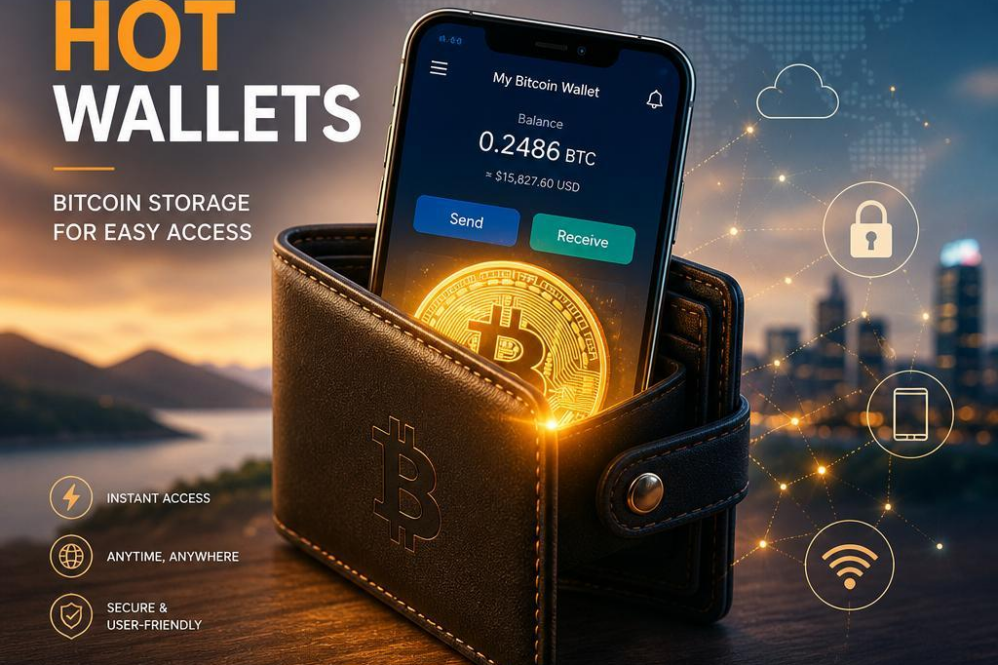
Understanding Hot Wallets and Their Role in bitcoin Transactions
Hot wallets serve as an essential tool for bitcoin users who prioritize fast and seamless access too their funds. Unlike cold wallets, which store bitcoins offline for enhanced security, hot wallets are connected to the internet and enable instant transactions. This connectivity makes them highly practical for everyday spending, tradingand micro-transactions, but it also introduces certain security considerations. Users must balance accessibility with safety, often supplementing hot wallets with strong passwords, two-factor authenticationand regular software updates to minimize vulnerabilities.
Among the key features of hot wallets are their diverse request types and user-kind interfaces, designed to suit a wide range of bitcoin holders from novices to professionals. They come in various forms, including mobile apps, desktop programs, and web-based interfaces, each offering convenience tailored to different usage scenarios. Popular hot wallets frequently enough provide features such as:
- Real-time balance tracking
- QR code functionality for quick payments
- Integration with cryptocurrency exchanges
- Multi-currency support
To better understand how hot wallets fit into bitcoin management strategies, consider the following comparison of wallet types:
| Wallet Type | Security Level | transaction Speed | Ideal Use Case |
|---|---|---|---|
| Hot Wallet | Moderate | Instant | Daily transactions & trading |
| Cold Wallet | High | Slow | Long-term storage |
| Hardware Wallet | Very high | Moderate | secure access with convenience |
Security Considerations for Managing Hot Wallets Effectively
Maintaining robust security protocols is crucial when handling hot wallets, given their constant connectivity to the internet. To reduce vulnerability, it’s essential to implement multi-factor authentication (MFA) across all access points. This added layer makes unauthorized entry much harder, even if login credentials are compromised. Regularly updating wallet software is equally vital, as updates often patch security loopholes and protect against emerging threats.
Hot wallet users should also employ rigorous key management practices. Private keys must never be stored in plain text or on cloud services without encryption. Instead, utilizing hardware security modules (HSMs) or secure enclaves can shield sensitive data from malware or phishing attacks. Additionally,limiting the amount of bitcoin held in a hot wallet mitigates risk; only keep what is necessary for active trading or daily transactions,while the remainder stays safely in cold storage.
Monitoring activities through detailed logs and real-time alerts is another critical defense. Establishing alerts for unusual transactions or login attempts allows rapid response to suspicious behavior. The table below summarizes essential security measures to adopt for managing hot wallets effectively:
| Security Measure | Purpose | Recommended Frequency |
|---|---|---|
| Multi-Factor Authentication | Prevents unauthorized access | Always enabled |
| Software Updates | Patches vulnerabilities | As new versions release |
| Private Key Encryption | Protects sensitive data | Continuous |
| Transaction Alerts | Detects suspicious activity | Real-time |
| Limit Funds in hot Wallet | Reduces risk exposure | Ongoing review |
Techniques for Backup and Recovery of Hot Wallets
Securing the private keys of hot wallets is paramount to ensure uninterrupted access to yoru bitcoin holdings. One effective method is utilizing encrypted backups that are stored both locally and in secure cloud environments. Encryption ensures that even if the backup files are intercepted, unauthorized parties cannot access the keys without the decryption passphrase. Periodically updating the encryption keys and backup files further minimizes the risk of compromise.
Another essential technique involves the multi-location backup strategy,distributing copies of your wallet’s seed phrase or private keys across several geographically separate and secure locations. This approach prevents data loss due to physical damage, theftor hardware failure in any one location. It is indeed equally critically important to use tamper-evident and waterproof storage devices or secure paper printouts to maintain the integrity of your backup data.
For seamless recovery, maintain a structured and well-documented recovery procedure customized to your wallet software. The table below summarizes crucial recovery elements for popular hot wallet types:
| Wallet Type | Recovery Method | Key Backup Format | Recommended Storage |
|---|---|---|---|
| Software Wallet | Seed Phrase | 12-24 Word Mnemonic | Encrypted USB & Offline Paper |
| Mobile Wallet | Backup File & PIN | Encrypted JSON File | Cloud Backup & Device |
| Browser Extension | Seed Phrase & Password | Mnemonic + Passphrase | Secure Digital Storage |
Best practices for Balancing accessibility and safety in bitcoin Storage
Striking the right balance between accessibility and security in bitcoin storage is crucial for both casual users and seasoned traders.While hot wallets offer the convenience of instant transactions and quick access, they inherently carry a higher risk of cyber threats due to their constant internet connection. To mitigate these dangers, it is essential to implement multi-layered security approaches such as strong password protection, two-factor authentication (2FA)and regular software updates. These practices help safeguard your assets without sacrificing the fluidity of access that hot wallets provide.
Smart usage strategies play a pivotal role in maintaining this balance. Users should consider segregating funds between hot and cold wallets, keeping only a small fraction of their total bitcoin in a hot wallet for immediate transactions. This method reduces exposure to hacking attempts as the majority of assets remain offline in more secure environments. Additionally, employing hardware wallets or reputable multi-signature wallets as intermediaries can protect hot wallets from unauthorized access, fortifying an overall security framework that remains user-friendly.
| Security Layer | Purpose | Example Tools |
|---|---|---|
| Password & Encryption | Prevent unauthorized access | Strong passwords, encrypted keys |
| Two-Factor Authentication | Enhance login security | Google Authenticator, Authy |
| Segregated Storage | Limit exposure of funds | Split hot & cold wallets |
| Regular Updates | Patch vulnerabilities timely | Wallet software updates |
Ultimately, a well-rounded approach acknowledges that no single security measure is foolproof. Layered defenses ensure that even if one component is compromised, additional barriers stand in the way of potential asset loss. By combining strong security protocols with the practical convenience of hot wallets, bitcoin holders can enjoy both peace of mind and rapid transaction capabilities.