June 18, 2026

Capitalizations Index – B ∞/21M

Asset Manager Bitwise Files for a Top-10 Cryptocurrency Exchange Traded Fund

Asset manager bitwise files for a top-10 cryptocurrency exchange traded fund

Asset Manager Bitwise Files for a Top-10 Cryptocurrency Exchange Traded Fund


Asset manager bitwise files for a top-10 cryptocurrency exchange traded fund
Advertisement

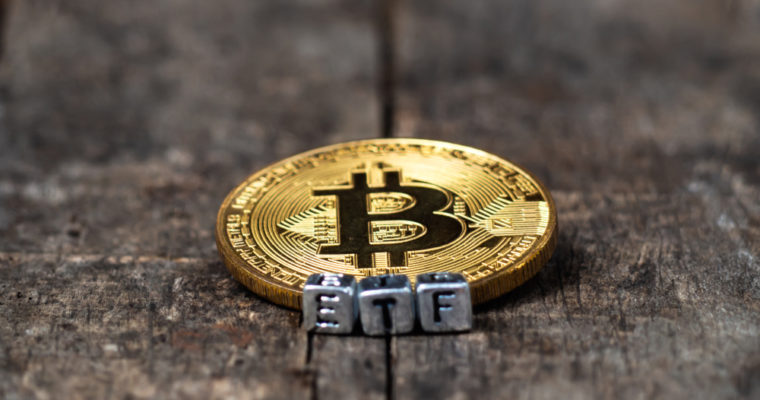
Bitwise, a prominent cryptocurrency index fund, has filed with the U.S. Securities and Exchange Commission (SEC) to offer a cryptocurrency-based exchange-traded fund (ETF).

In a press release issued on July 24th, the company stated that they intend to create an ETF called “Bitwise HOLD 10 Cryptocurrency Index Fund” which would be tied to the ten largest cryptocurrencies by market capitalization. The index is going to capture about 80% of the total market capitalization of the cryptocurrency market.

Bitwise said that they would use a 5-year-diluted market cap and take several parameters into consideration for eligibility keeping continuously changing supply, liquidity, trade volume concentration, and custody limitations in mind.

The proposal is not in effect yet and would have to be approved by the SEC to be available for trading on traditional stock markets.

Bitwise has launched the private HOLD 10 index fund back in November 2017. The fund is open for accredited investors and offers weekly liquidity. The proposed publicly-offered ETF would track the same index as the private fund.

As CCN reported earlier, Cryptocurrency-backed ETFs have gained significant momentum in the last one year. CBOE, world’s largest futures exchange, has filed with the SEC to enable public markets to trade bitcoin ETF.

Previously, financial institutions SolidX and Gemini, US cryptocurrency exchange founded by the Winklevoss twins, have filed with the SEC for similar crypto ETF’s in 2017. However, the SEC rejected both the proposals citing lack of overseas regulations and price manipulation in cryptocurrency markets. VanEck and SolidX partnered to issue non-futures bitcoin shares for trading. In response, the SEC has issued a formal call for public comments to list the ETF on public exchanges. Individuals can send the SEC comments on the proposal through the agency’s internet comment form or by emailing [email protected] with filing number SR-CboeBZX-2018-040 on the subject line.

The SEC hasn’t approved a single crypto ETF till date, but given the rising efforts an interest, a bitcoin-based ETF is a definite possibility. A crypto ETF will definitely widen the exposure of crypto markets to both institutional investors and the general public.

Featured image from Shutterstock.

Follow us on Telegram or subscribe to our newsletter here.
Join CCN’s crypto community for $9.99 per month, click here.
Want exclusive analysis and crypto insights from Hacked.com? Click here.
Open Positions at CCN: Full Time and Part Time Journalists Wanted.

Advertisement


Published at Wed, 25 Jul 2018 08:32:07 +0000

bitcoin Trading

Previous Article

‘Thank God They Cleared Themselves’ – Coinbase Finds No Hint of Insider Trading

Next Article

Coinbase Enables Cryptocurrency Gift Cards in Europe and Australia

You might be interested in …

 Soon™: Monero’s erste Hardware-Wallet

BTC-ECHO  Soon™: Monero’s erste Hardware-Wallet So anonym Monero auch sein mag, hatte das Projekt immer ein Problem:  das Fehlen einer Hardware-Wallet. Eine Hardware-Wallet bietet die Möglichkeit, seine Kryptowährungen sicher offline zu lagern, fern ab von […]

Bitcoin is Still Illegal in These 6 Countries

As the bitcoin revolution continues to spread throughout the world, there are still some places where buying or using bitcoin is illegal and can get you in trouble.


bitcoin Still Illegal in Some Countries

As bitcoin’s popularity continues to grow throughout the world, some governments are beginning to realize its benefits and potential and are integrating bitcoin and cryptocurrencies in their economy, rather than trying to punish those that use it with restrictive policies and exaggerated taxes.

Japan, for example, has recently passed a law that makes bitcoin a legal form of online payment, removing taxes and setting up a regulatory framework for bitcoin-based businesses. Australia has also taken a stance in favor of cryptocurrencies and removed the double-tax that was penalizing average bitcoin users.

However, not all countries are as forward thinking especially when it comes to cryptocurrencies. Believe it or not, bitcoin is still illegal in some countries, which says a lot about bitcoin as a disruptive technology.

To be clear though, the world’s first decentralized cryptocurrency is not illegal because it poses any risk to the citizens of the countries we will list. Rather, it provides an alternative, open, P2P monetary system — and an exit for some  — which is seen as a threat to their centrally-controlled, legacy monetary system.

All of the countries listed below banned bitcoin in 2014, following the Mt. Gox disaster. As bitcoin begins to gain traction throughout the world, it’s possible that these countries may eventually change their stance on bitcoin and digital currencies.

Vietnam

Although bitcoin can be freely used by citizens, the State Bank of Vietnam issued a statement in February 2014 warning against the use of bitcoin and prohibiting credit institutions to deal with the cryptocurrency.

The statement reads:

All bitcoin exchanges that allow users to trade anonymously, therefore, can be used to launder dirty money, sell drugs, hide from paying taxes, exchange and pay for illegal activities.

In December 2016, the government of Vietnam stated that it will consolidate cryptocurrency regulations as its current provisions “fall short.”

Iceland

bitcoin’s legality in Iceland is not very clear. According to a statement issued in March 2014 by the Central Bank of Iceland, dealing with bitcoin may violate the Icelandic Foreign Exchange Act, which specifies that Icelandic currency cannot leave the country and that foreign currency cannot be used in the country.

iceland

bitcoin mining is legal in the country and so is transacting with bitcoin, but apparently if those Bitcoins cannot be purchased from a foreign exchange or have to be mined in Iceland. This leaves a lot of room for questions. The statement reads:

There is no authorization to purchase foreign currency from financial institutions in Iceland or to transfer foreign currency across borders on the basis of transactions with virtual currency. For this reason alone, transactions with virtual currency are subject to restrictions in Iceland.

Bolivia

In May 2014, the country’s central bank, El Banco Central de Bolivia, officially banned any and all currencies not issued and/or regulated by the government, specifying bitcoin, a few other altcoins and any other currencies that do not belong to a state or economic zone.

The statement reads:

It is illegal to use any kind of currency that is not issued and controlled by a government or an authorized entity.

Ecuador

Ecuador not only banned bitcoin and all other cryptocurrencies, but it did so while establishing guidelines for the creation of their own virtual currency.

The National Assembly of Ecuador passed a bill that amends the country’s monetary laws in July 2014, banning cryptocurrencies and allowing the government to issue and transact in its asset-backed “electronic money.”

Kyrgyzstan

In Kyrgyzstan, using bitcoin as a form of payment is illegal, although no law prohibits users from buying, selling and using. In August 2014, the National Bank of the Kyrgyz Republic, issued a statement in which it noted that the use of bitcoin and other cryptos as a form of payment is illegal given that the only legal tender in the country is the country’s Kyrgystani Som (KGS).

The statement reads:

Under the legislation of the Kyrgyz Republic, the sole legal tender on the territory of our country is the national currency of Kyrgyzstan som. The use of ‘virtual currency’, bitcoins, in particular, as a means of payment in the Kyrgyz Republic, will be a violation of the law of our state.

Bangladesh

bitcoin is not legal in Bangladesh. Transacting with any type of decentralized cryptocurrency can get you up to 12 years in jail and it has been so for almost three years.

In September 2014, the Bangladesh Bank issued a statement regarding the use of bitcoin and warning that it is punishable by law. Bank officials said that anyone found guilty of dealing with bitcoin or any other cryptocurrency could be jailed for up to 12 years under current anti-money laundering laws. The central bank went as far as to request citizens not to “spread information about it.”

The statement reads:

bitcoin is not a legal tender of any country. Any transaction through bitcoin or any other cryptocurrency is a punishable offense.

Do you believe these countries will change their stance on bitcoin and build a regulatory framework around it? Let us know in the comments.


Images courtesy of Shutterstock

The post Bitcoin is Still Illegal in These 6 Countries appeared first on Bitcoinist.com.