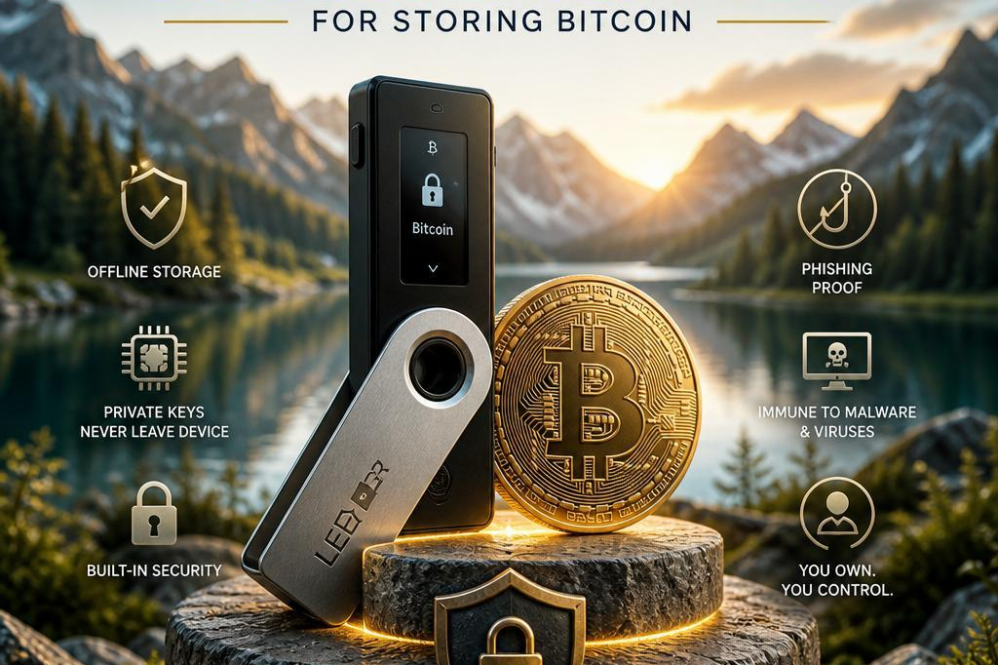
Hardware Wallets Offer Unmatched Security Levels For bitcoin Holdings
Hardware wallets stand out from other bitcoin storage solutions due to their reliance on secure hardware rather than software alone. They act as a physical vault for your bitcoin, significantly lowering the risk of theft by cyber criminals or hackers. Unlike exchanges and hot wallets that are constantly online and potentially vulnerable to digital attacks, hardware wallets provide an air-gapped environment where private keys never leave the device’s secure interior.
This isolation means that even if you inadvertently click on a phishing link or download malicious software, your hardware wallet remains unaffected unless it is directly compromised. For instance, a hacker would need direct physical access to your wallet or find another way to breach its security measures-a scenario far less likely than hacking into online accounts. Some popular models include the Ledger Nano S, Trezor Model T, and Coldcard.
To illustrate further, here’s a simple comparison highlighting what sets hardware wallets apart:
| Feature | Hardware Wallets | Hot Wallets/Exchanges |
|---|---|---|
| Offline Storage | ✓ | X |
| Security Against Hacking | ✓ | X |
| Control Over Private Keys | ✓ | X |
| User Accessibility | Fairly Convenient | Incredibly Easy |
| Data Loss Risk | Limited (physical damage) | High due to hacking |
With these features in mind, hardware wallets provide a robust alternative for bitcoin enthusiasts and investors alike who prioritize the security of their digital assets over easy access or convenience.
Understanding The Offline Nature That Makes Hardware Wallets Impervious To Cyber Attacks
Hardware wallets stand out in the realm of cryptocurrency storage due to their offline nature, which is key to safeguarding your crypto assets against cyber attacks. Unlike software wallets that reside on internet-connected devices, hardware wallets act as physical vaults for your private keys. This separation ensures that even if your computer or phone gets hacked, your funds remain secure as long as the wallet itself isn’t compromised.
The imperviousness of hardware wallets to online threats stems from their design principles, which prioritize security over convenience. For instance, when you want to initiate a transaction, the wallet connects temporarily to your internet-enabled device via USB, allowing verification and signing processes to happen offline. This setup makes it extremely difficult for attackers to intercept sensitive facts during transactions because they can’t gain access through traditional hacking methods aimed at online systems.
Here’s a simple breakdown of why hardware wallets are less susceptible to cyber attacks compared to software alternatives:
| Hardware Wallet | Software Wallet |
|---|---|
| Maintains an offline state, securing private keys from internet threats. | Runs on a connected device,making it vulnerable to malware and hacking attempts. |
| Requires manual verification of transactions, adding an extra layer of security. | Automates transaction verification, which can be exploited by malware. |
This hands-on approach not only ensures that every transaction is meticulously observed but also reduces the risk of unauthorized access to your crypto fund holdings.
Why Multi-Signature Transactions Enhance Security When Using Hardware Wallets
Multi-signature transactions offer an extra layer of security when handling cryptocurrency through hardware wallets. By requiring multiple signatures to authorize a transaction, these devices prevent unauthorized access even if one private key is compromised. Multi-sig technology ensures that no single entity can unilaterally execute funds transfer operations, thereby significantly reducing the risk of theft or fraud.
As an example, in a 2-of-3 multi-signature setup for transactions involving ample sums, two out of three involved parties must sign off on each operation. This practice not only deters potential hackers but also ensures that no individual team member can act alone without others’ approval. Implementing such security measures transforms how funds are managed within organizations or between close-knit groups.
While multi-sig transactions add a necessary complexity due to the additional administrative overhead and coordination required, the benefits far outweigh any inconvenience. They foster trust among participants-whether in a business environment or within personal networks-and provide peace of mind for those who value security above all else. Below is a simple table illustrating how different multi-signature configurations can affect transaction control:
| Multi-Sig Configuration | Transactions Require | Security Level |
|---|---|---|
| 1-of-2 (Standard) | 1 Signature | Moderate |
| 2-of-3 | 2 Signatures | High-Medium |
| 3-of-5 (Advanced) | 3 Signatures | Extreme |
A Deep Dive Into Encryption And Physical Protection Features Of Leading Hardware Wallets
Hardware wallets have emerged as an indispensable tool for securing cryptocurrencies like bitcoin, offering robust protection against digital threats through a combination of encryption and physical security features. these devices generally employ industry-standard algorithms such as AES-256 to ensure that private keys remain confidential even when connected to potentially compromised computers or networks. Beyond encryption, hardware wallets also implement layers of physical safeguards like tamper-evident sealing and secure storage compartments.
| Feature | Leading Wallets Include: |
|---|---|
| AES-256 Encryption | Trezor, Ledger Nano S |
| Tamper Detection | Ledger Nano X, Trezor Model T |
The physical design of leading hardware wallets often includes features that enhance security by making it challenging for unauthorized users to gain access or tamper with the device without detection. As a notable example,devices like the Ledger Nano S and Nano X use pin codes to lock private keys when not in use,significantly raising the barrier against brute-force attacks. these products are usually compact and rugged, designed to withstand environmental stresses while ensuring that critical information remains protected from prying hands.
Both hardware wallets and user awareness contribute to a secure environment for cryptocurrency storage. For example, users can enhance protection by setting up additional security layers like dual-factor authentication through apps such as Google Authenticator or backup mechanisms using seed phrases stored safely offline. Integrating these strategies alongside the strong features built into leading hardware devices ensures that bitcoin remains in the safest hands possible.
Expert Recommendations For Choosing The Right Hardware Wallet For Your Needs
When choosing a hardware wallet to store your bitcoin, it’s essential to consider factors that go beyond just brand recognition and price tags. Security,compatibility with different cryptocurrencies,and ease of use are crucial aspects to evaluate. Begin by assessing the level of security features each wallet offers. This includes two-factor authentication methods,pin codes,or additional layers like tamper-evident seals. Some wallets come with advanced encryption protocols that ensure your funds remain protected from complex cyber threats.
Compatibility across various cryptocurrencies and platforms is another key consideration. The best hardware wallets support multiple blockchain networks, allowing you to store different assets on one device. You should also check if the wallet can be used on both desktop and mobile devices without compromising security or functionality. This flexibility is especially critically important for users who frequently switch between smartphones and computers. A good starting point is to look at community reviews and expert opinions for insights into practical user experiences.
ease of use simplifies your daily interaction with financial technology. A hardware wallet that is straightforward and requires minimal technical setup can be a boon for non-tech savvy users looking to invest or manage their bitcoin securely. Consider wallets like Trezor or Ledger, which boast intuitive interfaces and thorough support systems. Though, it’s also wise to try out the wallet yourself before committing, as handling your funds with an unfamiliar device might create unnecessary hurdles. To help you make an informed decision,here’s a quick comparison of features:
| Feature | Trezor Model T | Ledger Nano X |
|---|---|---|
| Supported Cryptocurrencies | 100+ | +5,700 |
| Remote Apps Compatibility | Trezor Suite,Trezor Bridge | Ledger Live |
| Connectivity Options | USB and Bluetooth (with Module) | Bluetooth 5.0, USB-C, NFC* |
*Note: NFC support allows for quick pairing with compatible devices.
While both models offer robust security features and a wide range of supported currencies, the choice ultimately depends on your specific needs and preferences.