Understanding bitcoin Exchanges: Features And Fees
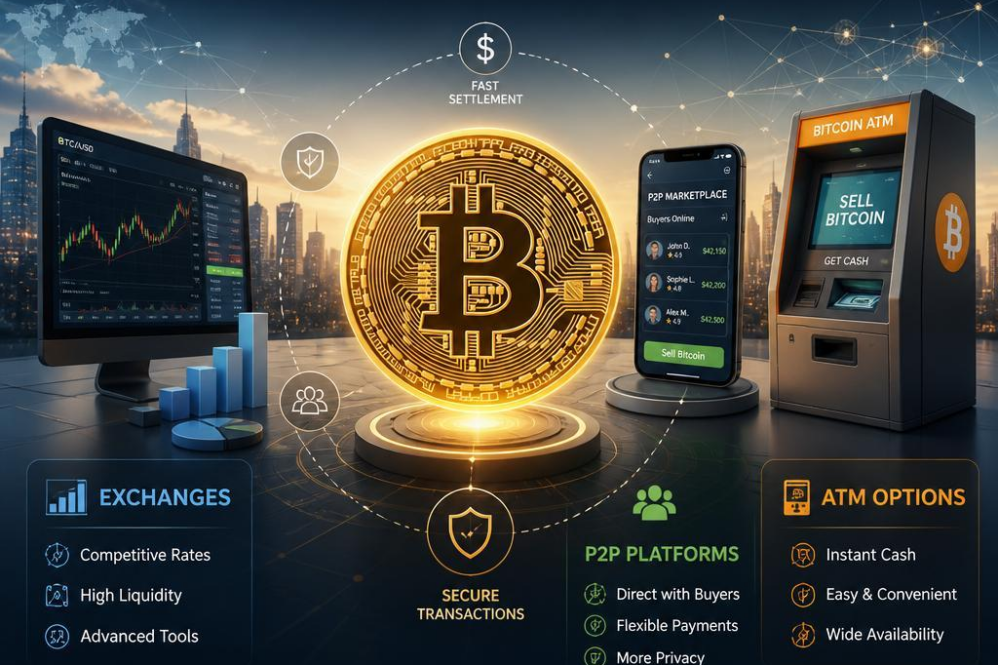
When selling bitcoin, navigating through various exchanges can seem daunting at first glance, given their range of functionalities and varying fees structures. Central to any decision is understanding what these exchanges offer in terms of security, liquidityand user experience.The primary difference lies within the level of service and depth of markets that each exchange provides.
Security features are paramount when choosing an exchange for selling bitcoin. Considerations like two-factor authentication (2FA), cold storage solutionsand insurance coverage play a crucial role in protecting your assets. Exchanges frequently enough vary widely in these areas; some offer top-notch security measures tailored to professional traders, while others might cater more to casual users seeking a simpler experience.Fees are another critical aspect of deciding on which exchange to use for your bitcoin sale. Typically, exchanges charge transaction fees for buying and selling cryptocurrencies like bitcoin, with additional costs for withdrawing or depositing funds. Some platforms offer tiered fee structures where frequent traders can qualify for reduced rates over time. To give you an idea, here is a simple comparison of how fees might differ across popular exchanges:
| Exchange A | Exchange B | |
|---|---|---|
| Sell Fees (%) | ||
| Tier 1 (Low Volume) | 0.25% | 0.30% |
| Tier 2 (Medium Volume) | 0.20% | 0.25% |
| Tier 3 (High Volume) | 0.15% | 0.18% |
| Withdrawal Fees ($BTC) | ||
| BTC Withdrawals | $0.002 per BTC | $0.0015 per BTC |
Peer-To-Peer Platforms For Selling bitcoin: Benefits And Risks
Peer-to-peer (P2P) platforms offer an option to customary exchanges for selling bitcoin directly from users to other users,cutting out the middleman entirely. This approach not only reduces fees but also allows traders more control over their transactions. P2P platforms like LocalBitcoins and Paxful facilitate direct interactions between buyers and sellers, making it easier for individuals to negotiate terms such as price, payment methodand delivery options.
One of the primary benefits of using a P2P platform is enhanced privacy. Transactions aren’t directly linked to personal information or financial accounts with major exchanges, which can attract attention from regulatory agencies and hackers alike. these platforms often accept a variety of payment methods beyond traditional bank transfers or credit cards, making it more accessible for users across different regions and financial circumstances. Though, this convenience comes with its own set of risks.While P2P trading offers the allure of direct control over transactions, it also exposes individuals to greater risk. Without the oversight provided by regulated exchanges, sellers can become vulnerable to fraudulent activities such as payment reversals or fake payments. users must navigate the complexities of meeting legal requirements for reporting and documenting their sales, which can vary widely across jurisdictions.To mitigate some of these risks,P2P platforms may implement reputation systems where user ratings and reviews help establish trust between buyers and sellers.
| Benefit | Risk |
|---|---|
| Variety in payment methods | Fraudulent transactions |
| Privacy and anonymity | Legal compliance challenges |
| No exchange fees | Lack of security measures |
bitcoin ATMs: Convenience Comes With A Cost
bitcoin ATMs have become a popular option for selling and buying digital currency due to their ease of use and relative anonymity. However, these machines come with significant costs and limitations that users might overlook in the rush for quick transactions. Firstly, fees can be exorbitant; typically ranging from 2% to as high as 10%, making them costlier than both online exchanges and peer-to-peer platforms. Additionally, transaction limits are often quite low compared to other methods of selling bitcoin, which may not meet the needs of larger-scale sellers or long-term investors.
Despite these drawbacks,there are situations where a bitcoin ATM is an ideal solution. For instance,they offer immediate liquidity for those who need cash on hand and do not want to wait for bank transfer processes,which can take hours or even days depending on the financial institution involved. individuals in parts of the world with limited internet access or restrictive banking regulations might find ATMs particularly useful. Yet,it’s essential to research local bitcoin ATMs beforehand as network coverage is inconsistent from one region to another.
To help illustrate the cost difference, here’s a brief comparison between a bitcoin ATM and online exchange fees:
| bitcoin ATM | Online Exchange | |
|---|---|---|
| Selling fee range | 2-10% | Up to 1% |
| Withdrawal speed | Instant Cash | Same day or next business day |
This table shows the stark contrasts between these methods, highlighting why users should consider both the cost and convenience when choosing a sale method.
Choosing The Right Platform: Factors To Consider For Successful Sales
Choosing the right platform for selling bitcoin is crucial for maximizing your returns while minimizing risks such as scams and theft. Whether you’re a first-time seller or looking to expand your reach, there are several key factors that should guide your decision-making process.
Firstly, security stands out as one of the most critical aspects of choosing an exchange or platform. A robust security protocol is essential for protecting your assets from hackers and ensuring smooth transactions. It’s vital to look at features like cold storage solutions for digital assets, multi-factor authentication (2FA), and active monitoring systems that alert users instantly in case of suspicious activity. Before committing to any platform, check the history of hacking or phishing attacks it has faced.
Another factor worth considering is fees, which can vary widely across different platforms. High fees can eat into your profits significantly over time. When choosing where to sell bitcoin, take a close look at trading and withdrawal fees. This includes transaction fees on exchanges,network charges for bitcoin transactions,and any deposit or withdrawal fees applicable for fiat currency conversion. A well-structured fee comparison often highlights which platform offers the best value for traders by minimizing unnecessary costs.
Lastly, customer service can make all the difference in addressing issues that may arise during your trading journey. Reliable 24/7 support is crucial when dealing with a volatile market like cryptocurrency. Ensure the platform you choose has responsive and helpful customer service available through multiple channels such as chat, emailor phone. Here’s a quick look at how three popular platforms stack up on these key factors:
| ExChange1 | P2PPlatformA | ATMNetworkY | |
|---|---|---|---|
| Security Features | Cold storage, 2FA, Daily Monitoring | Limited security features available | Physical cash management solutions |
| Fees for Trading/Withdrawals | $5-$10 per trade & free for bitcoin withdrawals | Patchy structure with high fees on some currencies | No trading fees, charges based on cash withdrawal amounts |
| Customer Service | Email support available 24/7 | Basic email service only | In-person assistance from staff during business hours |
Understanding these factors will help you choose a platform that best meets your needs and helps you navigate the frequently enough complex world of bitcoin sales.