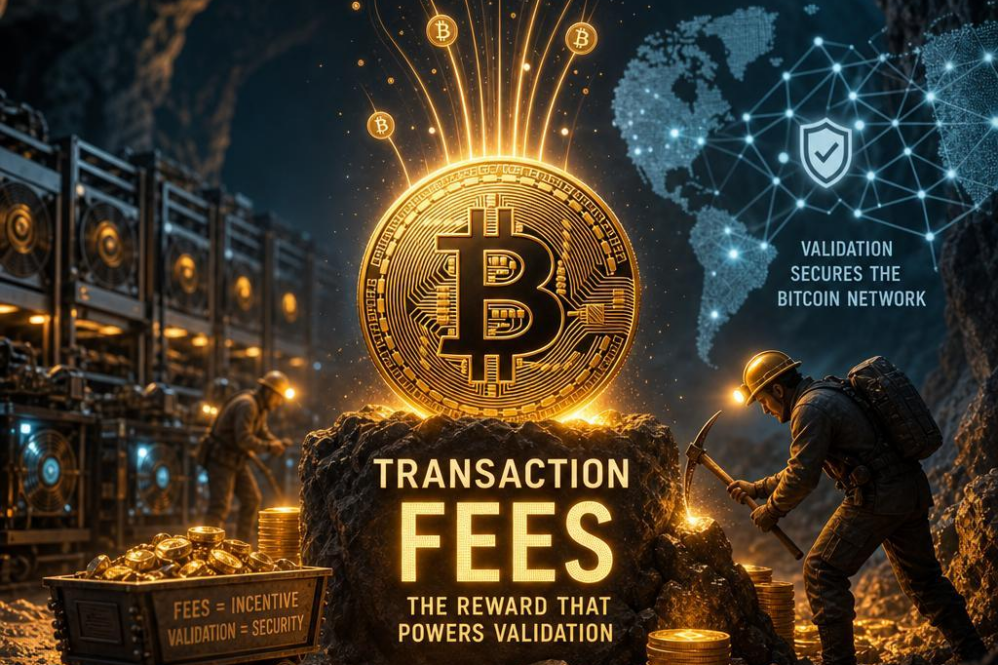
– Understanding the Role of Transaction Fees in bitcoin Mining Incentives
bitcoin mining is fundamentally driven by the need to secure the network adn validate transactions, but miners are economically motivated by rewards. Apart from the block subsidy, which is the newly minted bitcoins miners receive, transaction fees play a critical part in maintaining this incentive structure. These fees act as an essential component, ensuring miners continue to prioritize the inclusion and confirmation of transactions, especially as block rewards halve approximately every four years.
Transaction fees serve several key purposes:
- Compensation for work: Fees reward miners for the computational power expended in confirming transactions and securing the blockchain.
- Network prioritization: Higher fees signal urgency, encouraging miners to include these transactions faster.
- Long-term sustainability: As block rewards diminish, fees are designed to become the primary source of miner income, keeping the network robust.
| Mining Incentive | Characteristics | Importance |
|---|---|---|
| Block Subsidy | Newly minted bitcoins | Decreases over time (halving) |
| Transaction Fees | Paid by users sending transactions | Variable, market-driven, ensures ongoing miner profitability |
without transaction fees, miners would gradually lose profitability as block rewards shrink, which could threaten the network’s security. By integrating fees into the incentive mechanism, bitcoin ensures miners remain motivated to validate even low-value transactions, ultimately preserving decentralization and trustlessness in the system.
– Analyzing How Fee Structures Impact Miner Validation Behavior
bitcoin miners operate in a competitive environment where their primary incentive to validate transactions and add new blocks to the blockchain is the potential reward. Beyond the fixed block subsidy, transaction fees compose a notable part of this reward, effectively aligning miners’ interests with network security and efficiency. When fee structures are designed efficiently, they encourage miners to prioritize transactions offering higher fees, ensuring timely processing and network reliability.
Fee structures influence miner behavior in several key ways:
- Transaction prioritization: Miners are economically motivated to include transactions with higher fees first, optimizing their earnings per block.
- Network congestion management: Fee models that adjust dynamically help regulate transaction volumes, preventing overload and encouraging smooth validation.
- Security incentives: Higher fees can compensate for diminishing block subsidies over time,maintaining miners’ commitment to securing the blockchain.
| Fee Model | Impact on Miner Behavior | Network Effect |
|---|---|---|
| Flat Fees | Less incentive to prioritize specific transactions | Potential backlog during high demand |
| Dynamic Fees | Encourages competition for block space | Smoother transaction processing |
| Market-Based Fees | Optimizes miner revenue based on supply and demand | Promotes efficient validation and security |
the structure of fees plays a pivotal role in shaping the validation strategies of bitcoin miners. By balancing transaction costs with miner incentives, the network continuously evolves to maintain both security and user experience.
– Exploring Economic Motivations Behind Prioritizing High-Fee Transactions
Miners play a crucial role in maintaining the bitcoin network’s integrity by selecting which transactions to include in the next block. Since block space is limited, the economic incentive lies in choosing transactions that offer the highest fees. This competitive environment ensures miners prioritize transactions that maximize their revenue, creating a self-sustaining ecosystem where transaction validation is financially rewarding.
Understanding the economic motivation requires a closer look at how transaction fees influence miner behavior:
- Fee-based rewards: Apart from the block subsidy, transaction fees constitute an additional income that miners receive, notably significant as block subsidies halve periodically.
- Maximizing profitability: Miners naturally optimize for the most lucrative combination of fees, contributing to a market-driven prioritization mechanism.
- Market dynamics: Increased demand for block space leads to fee bidding wars, reinforcing the preference to validate high-fee transactions first.
| Transaction Fee (satoshi/byte) | Inclusion Likelihood | Miner Revenue Impact |
|---|---|---|
| 1 – 5 | Low | Minimal |
| 6 – 20 | Moderate | Moderate |
| 21+ | High | Significant |
This purposeful economic structuring not only incentivizes miners to maintain network security but also helps regulate transaction backlog by encouraging users to attach appropriate fees based on urgency. Ultimately, the prioritization of high-fee transactions aligns miner incentives with the efficient functioning of the bitcoin ecosystem.
– Strategies for Optimizing Transaction Fees to Ensure Prompt Validation
To guarantee that a bitcoin transaction is confirmed swiftly, users must strategically set their fees based on current network conditions. Transaction fees act as economic incentives for miners, so offering a competitive fee encourages miners to prioritize the transaction. Monitoring real-time fee estimates from reliable sources can definitely help users select a fee rate aligned with the network’s congestion level. This dynamic adjustment balances cost-efficiency with transaction speed.
effective strategies include:
- Using segmented fee markets data to predict the minimum fee needed for fast inclusion in the next block.
- Leveraging wallet features that automatically suggest optimal fees based on mempool size and recent fee trends.
- Splitting large payments into smaller bundles to avoid oversized fees that may not proportionally improve validation speed.
| Fee Rate (sat/vByte) | Estimated Confirmation Time | Cost Efficiency |
|---|---|---|
| 1-5 | 1+ hours | Low |
| 6-15 | 30 min – 1 hour | Moderate |
| 16-50 | Within next block (~10 min) | High |
By understanding how fee rates correlate to confirmation times and adjusting accordingly, users can ensure prompt validation without overspending. This balance not only benefits the sender but also sustains the economic incentive structure that motivates miners to continue securing and validating the bitcoin network effectively.