Understanding the Fundamentals of bitcoin Storage Solutions
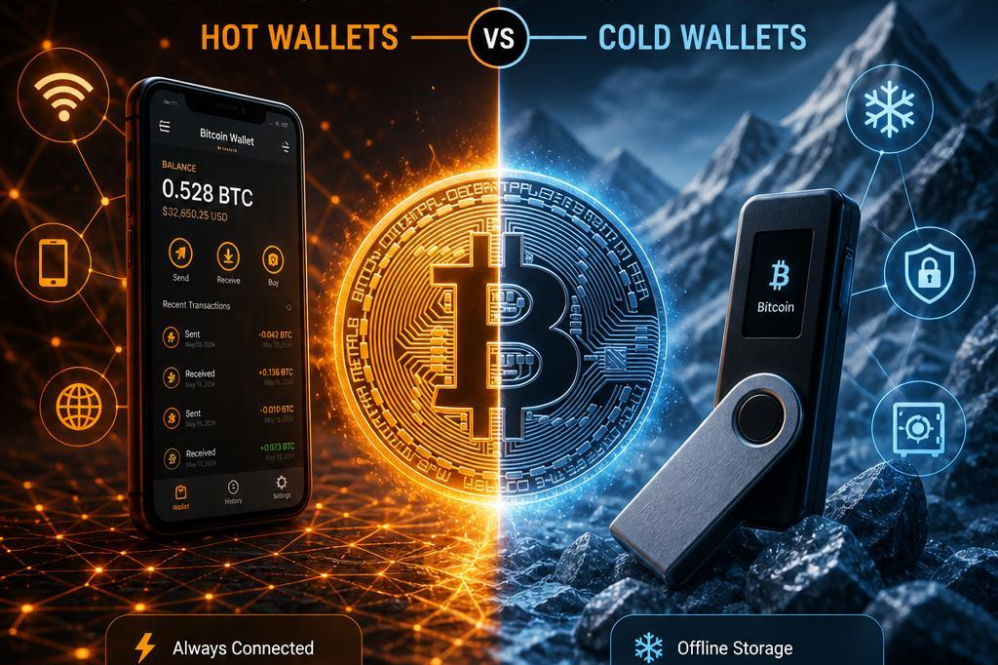
In the realm of bitcoin management, securing your digital assets hinges on the choice between two primary storage methods: hot wallets and cold wallets. Hot wallets are constantly connected to the internet, making them highly accessible and ideal for frequent transactions. They range from mobile apps and desktop software to web-based platforms. However, this connectivity also exposes them to greater security risks, such as hacking and phishing attacks. Users must weigh the convenience of rapid access against potential vulnerabilities when opting for a hot wallet.
Conversely, cold wallets store bitcoin offline, considerably reducing exposure to cyber threats. These include hardware wallets, paper walletsand even air-gapped computers. The offline nature of cold wallets makes them the preferred choice for long-term holders or those safeguarding considerable amounts of bitcoin. While slower transaction speeds and physical safekeeping challenges may be drawbacks, the security benefits often outweigh these concerns.
| Aspect | Hot wallet | Cold Wallet |
|---|---|---|
| Internet Connectivity | Always connected | Always offline |
| Security Level | Moderate risk | High security |
| Ideal Use Case | Daily trading and spending | Long-term storage |
| Access speed | Instant | Slower, requires manual steps |
| examples | Mobile apps, web wallets | Hardware wallets, paper wallets |
Deciding which storage solution to implement ultimately depends on individual risk tolerance, transaction frequencyand the amount of bitcoin held.Combining both types can also offer a balanced strategy-utilizing hot wallets for everyday use while securing the majority of assets in cold storage. Understanding these basic differences equips users to tailor their bitcoin security practices efficiently and confidently.
Evaluating Security Risks and Benefits of Hot Wallets
Hot wallets, by design, maintain continuous connectivity to the internet, enabling rapid access to bitcoin funds. This accessibility is a meaningful advantage for frequent traders and those requiring swift transaction capabilities. However,their online presence inevitably exposes them to a broader attack surface,including risks from hacking,phishing,and malware infiltration. Understanding these threats is crucial:
- Susceptibility to remote cyber attacks thru compromised devices or network vulnerabilities
- Potential for unauthorized access via malware or keyloggers on the host computer
- Dependency on the security measures of third-party wallet providers in some cases
Despite these risks, hot wallets incorporate several security features to mitigate exposure. These include multi-factor authentication, encryption of private keysand backup seed phrases.Moreover, users can adopt best practices like regularly updating wallet software and avoiding public Wi-Fi connections. Below is a concise comparison of typical security benefits against risks associated with hot wallets:
| Security Benefits | Security Risks |
|---|---|
| Immediate accessibility for time-sensitive transactions | Constant internet connectivity invites potential online attacks |
| Encrypted private keys stored locally or in secure enclaves | Risk of device compromise through phishing or malware |
| Integration with multi-factor authentication adds another security layer | Reliance on user’s cybersecurity awareness and behavior |
Ultimately, the decision to use a hot wallet requires balancing these vulnerabilities against convenience. With informed precautions and contemporary security enhancements, hot wallets can offer a practical solution for users prioritizing liquidity and ease of use. Educating yourself on threat vectors and implementing robust protective measures can significantly reduce potential losses while enjoying the benefits of immediate bitcoin access.
Exploring Cold wallets for Long-Term bitcoin Protection
When it comes to securing your bitcoin for the long haul, cold wallets stand out as the most robust option. These wallets store your private keys offline, away from the vulnerabilities of internet exposure. Unlike hot wallets, which are constantly connected and more susceptible to hacking, cold wallets drastically reduce the risk of cyber theft by isolating your assets from potential digital threats.
Types of Cold Wallets:
- Hardware Wallets: Physical devices designed to safely store private keys offline, often equipped with security features like PIN protection and recovery seed phrases.
- Paper Wallets: Printouts or physical copies of your public and private keys. While simple, they require careful handling to avoid damage or loss.
- Offline Software Wallets: Wallets installed on devices permanently disconnected from the internet, ensuring your keys remain inaccessible to online attackers.
| Feature | Cold Wallets | Hot Wallets |
|---|---|---|
| Internet Connectivity | None (Offline) | Always Online |
| Security Level | High – Immune to Online Attacks | Lower – Vulnerable to Hacks |
| Accessibility | Less Immediate Access | Instant Transactions |
| Ideal Usage | Long-Term Storage | Daily Transactions |
While cold wallets may require more deliberate effort when accessing your bitcoin, their unmatched security benefits make them essential for anyone serious about preserving their digital wealth over time. The choice to use cold storage reflects a commitment to safeguarding your assets against both technological vulnerabilities and human error.
Comparative Analysis of Hot Wallets and Cold Wallets in Practical Use
In the realm of bitcoin storage, hot wallets and cold wallets embody two distinct approaches defined primarily by their connectivity and accessibility. Hot wallets are connected to the internet, allowing for quick, seamless transactions and easier access. This makes them highly convenient for everyday use, such as trading or small, frequent payments. However, the constant online presence exposes these wallets to heightened risks from cyber-attacks, phishingand malware, necessitating robust security measures and vigilant user practices.
Cold wallets, by contrast, operate in a fully offline environment, isolating private keys from any network exposure. This dramatically reduces the risk of unauthorized access and hacking, making cold wallets ideal for long-term storage of substantial bitcoin holdings. Given their offline nature, transactions require an extra step to transfer funds, which can be cumbersome for routine use but invaluable for securing assets from digital threats. These wallets often take the form of hardware devices or even paper keys, emphasizing security over convenience.
| Feature | Hot Wallets | Cold Wallets |
|---|---|---|
| Accessibility | Instant, online | Delayed, offline |
| Security | Moderate, exposed to online threats | High, protected from internet attacks |
| Use Case | Frequent transactions, daily use | Long-term storage, large sums |
| Examples | Mobile apps, desktop wallets, exchanges | Hardware wallets, paper wallets |
Choosing between these wallet types depends largely on the user’s priorities and intended bitcoin activities. While hot wallets excel in speed and convenience, cold wallets are unmatched in safeguarding funds against cyber risks. For many, a hybrid approach-keeping smaller amounts in hot wallets for spending and larger reserves securely locked away in cold wallets-strikes the best balance between accessibility and protection.
Best Practices for Managing and Securing your bitcoin Wallets
Maintaining robust security protocols is paramount when handling bitcoin wallets, given their appeal to cybercriminals. Start by ensuring that your device and software are always up to date with the latest security patches.Using strong, unique passwords combined with two-factor authentication (2FA) dramatically reduces the risk of unauthorized access. Additionally, never share your private keys or seed phrases with anyoneand consider using a reputable password manager to store sensitive details securely.
Another key practise is diversifying your storage methods according to your risk tolerance and usage needs. Hot wallets, which are connected to the internet, enable quick access but are inherently more vulnerable to hacking attempts. In contrast,cold wallets remain offline,safeguarding your bitcoin from online threats but requiring additional care to avoid physical damage or loss.A balanced strategy involves keeping small amounts in hot wallets for routine transactions, while the majority of funds reside in cold storage for long-term security.
| Best Practice | Description |
|---|---|
| Regular Backups | Frequent backups of wallet data prevent total loss from hardware failure or accidental deletion. |
| Multi-Signature Setup | Requires multiple approvals before any transaction is authorized, adding a layer of security. |
| Offline Storage | Utilizing cold wallets or hardware devices keeps assets insulated from online attacks. |
| Secure Environment | Conduct wallet setup and transactions in trusted, malware-free environments. |
Strategic Recommendations for Choosing the right bitcoin Storage Method
Choosing the appropriate bitcoin storage method hinges on a clear understanding of your investment goals and risk tolerance. For those frequently trading or using bitcoin for daily transactions,hot wallets deliver the agility and accessibility required.On the other hand, investors prioritizing security and long-term holding will find cold wallets indispensable, as they keep private keys offline and away from cyber threats.
When weighing convenience against security, consider the following factors:
- Frequency of Access: How frequently enough will you need to access your bitcoin?
- Security Concerns: Are you equipped to manage physical security for cold storage?
- Technical Expertise: Comfort level with using hardware or software wallets.
- Backup Solutions: Strategies for preventing loss of keys or recovery phrases.
| Storage Method | Ideal For | Primary Advantage | Key Drawback |
|---|---|---|---|
| Hot Wallet | Active traders, frequent users | Instant access, user-pleasant | Vulnerable to hacks |
| Cold Wallet | Long-term investors, security-first users | Enhanced security, offline storage | Less convenient, requires handling |
