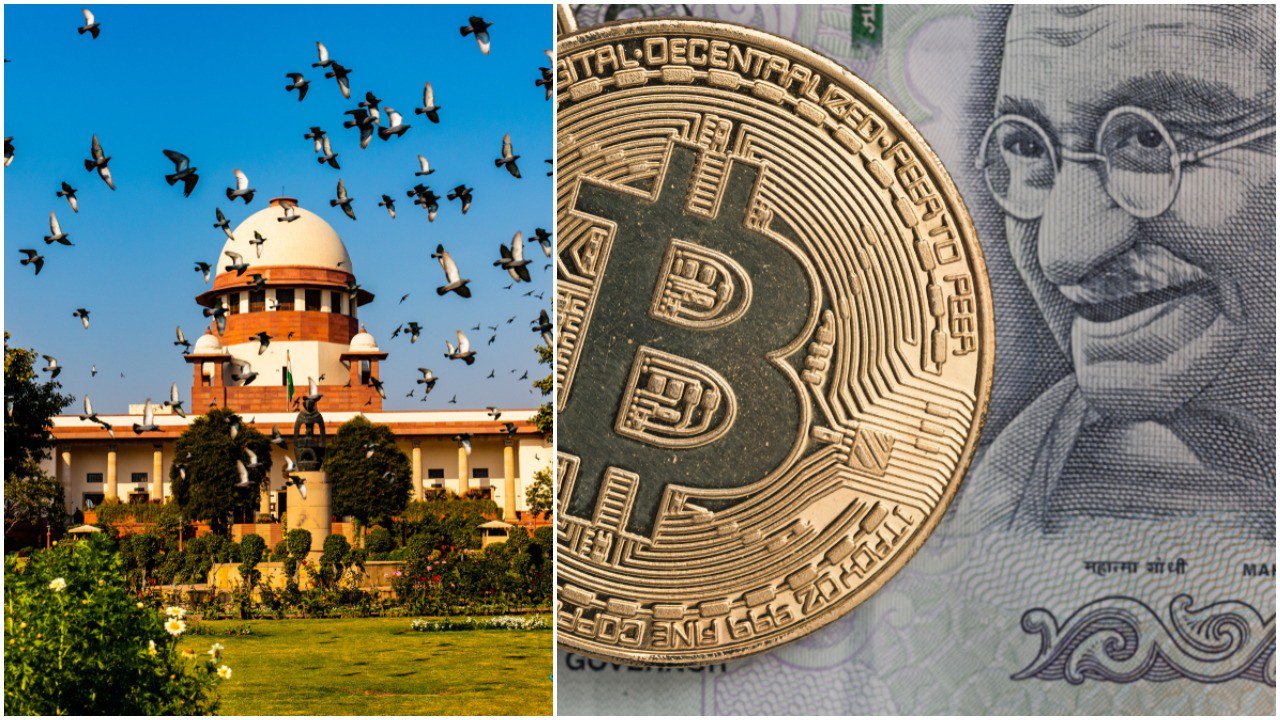
Factors Influencing bitcoin Supply and Demand Dynamics
“`html
bitcoin’s supply is inherently limited by design, with a maximum cap of 21 million coins. This scarcity creates a unique economic habitat where availability directly impacts value. Over time, teh rate at which new bitcoins enter circulation slows down due to the scheduled “halving” events, effectively tightening supply and ofen triggering price surges. Though, supply is not solely about minted coins; factors such as lost wallets and long-term holders who choose not to sell also reduce effective circulating supply, amplifying scarcity and driving demand pressure.
Demand for bitcoin is shaped by a variety of interrelated factors that extend beyond its basic utility as a digital currency. One of the strongest drivers is its perceived role as a store of value,especially in times of economic uncertainty or inflation. Institutional adoption and increased acceptance by retailers and payment platforms further legitimize and fuel demand. Moreover, market sentiment-frequently enough influenced by media coverage, regulatory announcementsand technological advancements-can lead to rapid fluctuations in interest and purchasing behavior.
| Factor | impact on Demand or Supply | Example |
|---|---|---|
| Mining Rewards Halving | Reduces supply entering the market | 2020 halving reduced new bitcoins from 12.5 to 6.25 per block |
| Regulatory Changes | can either boost or curb demand | Government bans decrease demand; clear regulations increase trust |
| Market Sentiment | Influences both supply willingness and buying interest | Positive news spurs buying; fear causes sell-offs |
- Scarcity Effects: limited maximum supply fuels long-term value retention.
- Adoption Rates: Growing mainstream use enhances demand stability.
- External Events: Economic crises and geopolitical tensions can spike buying interest.
Impact of Global Economic Trends on bitcoin Valuation
The valuation of bitcoin is significantly influenced by overarching global economic currents. As customary markets fluctuate due to factors like inflation rates, monetary policies, and geopolitical tensions, bitcoin’s inherent design as a decentralized digital asset offers a unique response pattern. As an example, when fiat currencies weaken due to inflation, investors frequently enough turn to bitcoin as a potential store of value, akin to digital gold.Conversely, tightening monetary policies or increased interest rates can lead to reduced liquidity in markets, causing a dip in speculative assets such as bitcoin.
Key global economic drivers impacting bitcoin include:
- Monetary policy shifts: Central bank decisions on interest rates and quantitative easing can either boost or depress bitcoin demand.
- Currency devaluations: Countries experiencing rapid devaluation of their local currency frequently enough see surges in bitcoin adoption and valuation.
- Geopolitical instability: Economic sanctions, trade wars, and political unrest can propel bitcoin as an alternative financial refuge.
| Global Factor | Typical bitcoin Response | Market Example |
|---|---|---|
| High Inflation | Price Increase | Venezuela (2018-2019) |
| Interest Rate Hike | Price Correction | USA (2022) |
| Geopolitical Unrest | Demand Spike | ukraine Conflict (2022) |
Role of Regulatory Developments in Shaping bitcoin Price Movements
Regulatory environments around the world significantly influence bitcoin’s market dynamics. When governments introduce clear frameworks, such as defining bitcoin as a legal asset or approving related financial products, investor confidence tends to grow, often triggering price rallies. Conversely, announcements of restrictions or outright bans can incite panic selling or hesitation among participants. The fluctuating interplay between regulatory clarity and uncertainty creates waves of volatility, underscoring the sensitivity of bitcoin to policy shifts.
Key regulatory factors impacting bitcoin price include:
- Announcements of taxation policies on cryptocurrency gains
- Implementation of anti-money laundering (AML) and know-your-customer (KYC) regulations
- Government stance on crypto exchanges and initial coin offerings (ICOs)
- Legal recognition or prohibition of bitcoin as a medium of exchange
| Regulatory Event | Short-Term Price Impact | Long-Term Effect |
|---|---|---|
| Country bans crypto trading | Sharp decline | Reduced liquidity and market access |
| Introduction of crypto ETF approval | Immediate price surge | Wider institutional adoption |
| Clarified tax policies | Temporary volatility | Greater investor certainty |
Strategies for Investors to Navigate bitcoin market Volatility
In the ever-fluctuating bitcoin market, adopting a structured approach to volatility is essential for investors aiming to protect and grow their capital. First, maintaining a diversified portfolio helps to buffer against unpredictable swings.Mixing bitcoin holdings with traditional assets like stocks, bondsor real estate can reduce overall risk exposure. Investors should also set clear risk thresholds to avoid emotional decisions during rapid price changes, using stop-loss orders or taking profits strategically to lock in gains without succumbing to market panic.
Continuous market analysis forms another cornerstone of effective navigation.Staying informed about macroeconomic indicators-such as changes in interest rates,inflation data,or shifts in regulatory policy-enables investors to anticipate market moves before they fully materialize. Utilizing tools like moving averages and relative strength indexes (RSI) can also provide timely entry and exit signals, offering quantitative insight in an otherwise sentiment-driven environment.
additionally,psychological discipline cannot be overstated. The intense volatility of bitcoin often triggers herd behavior and emotional trading. Investors who cultivate patience and adhere strictly to a predetermined investment plan tend to outperform. Below is a summarized strategy checklist worth considering:
- Diversify holdings beyond cryptocurrencies
- set risk management rules such as stop-loss limits
- Follow key economic indicators impacting the crypto market
- Use technical tools for informed decision-making
- Maintain emotional discipline during market swings
| Strategy | Purpose | Example |
|---|---|---|
| Diversification | Reduce risk exposure | bitcoin + S&P 500 ETF + Gold |
| Stop-loss Orders | Limit downside | Sell if price drops 15% |
| Market Analysis | Anticipate trends | Monitor inflation reports |
| Emotional Control | Prevent panic selling | Stick to investment plan |