- Online Wallet
- Your private keys are stored on a server connected to the internet, making your wallet vulnerable to hacking and cyber attacks.
- While convenient,this method comes with a higher risk.
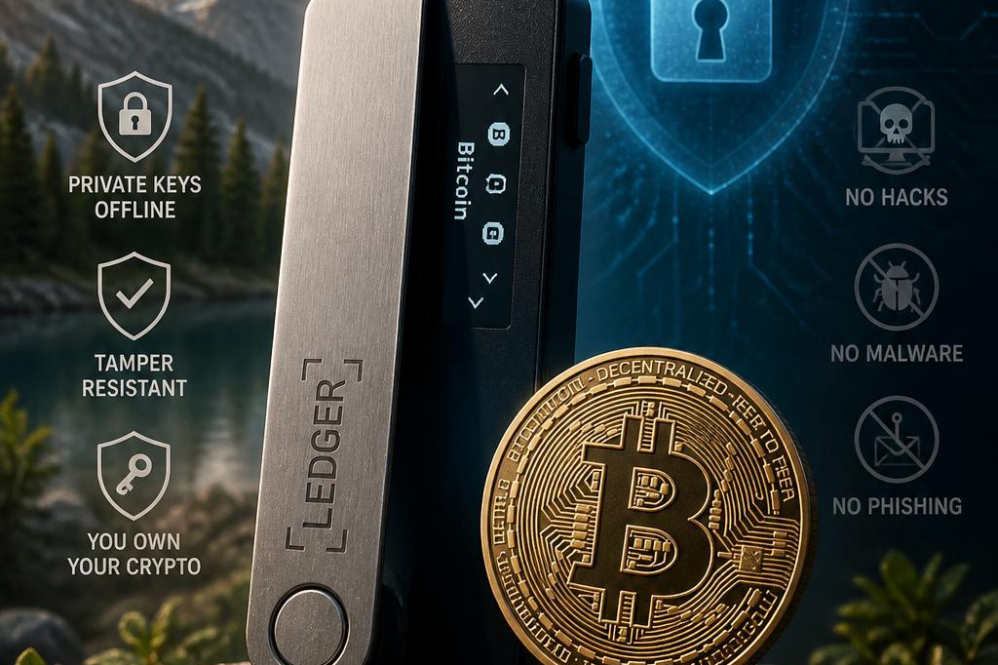
- Hardware Wallet
- Your private keys are stored on a device that isn’t connected to the internet.
- This reduces the risk of exposure to threats and keeps your keys secure.
- Security is the top priority, though it may require a bit more effort to manage.
hardware wallets provide a strong solution for protecting your bitcoin by keeping your keys physically separate from the internet. This simple yet effective approach can make the difference between a secure investment and a devastating loss.The Role of Cold Storage in Mitigating Cybersecurity Risks
Cold storageor cold wallets, plays a crucial role in cryptocurrency security by keeping your keys offline. This isolation protects your keys from online threats like phishing attacks and malware, substantially reducing the risk of unauthorized access. Cold storage solutions like hardware wallets are essential for serious bitcoin holders.
Cold storage, with its air-gapped nature, ensures that sensitive data remains secure and inaccessible to hackers. When you need to make a transaction, you can temporarily connect your hardware wallet to a computer, sign the transaction, and then disconnect without storing your private keys on the internet-connected device. This process minimizes exposure to digital threats. Without cold storage, private keys could be intercepted during routine online transactions or by malicious actors exploiting vulnerabilities in software or infrastructure.
To illustrate the contrast between hot and cold storage methods, consider this: storing bitcoin in a hardware wallet makes your funds immune to most cyber attacks, including ransomware.In contrast, a software wallet or exchange account keeps private keys online, potentially leaving them exposed to hacking attempts. Here’s a summary of the key differences:
| Cold Storage (Hardware Wallet) | Hot Storage (Exchange, Software) |
|---|---|
| Keeps private keys offline, reducing exposure to theft | Keeps private keys online, increasing risk exposure |
| Reduces risk of phishing and malware attacks | Makes funds accessible to phishing scams and malware |
| Requires manual user intervention for transactions | Offers convenience but at the cost of security |
Technical Insights into How Hardware Wallets Protect Private Keys
Hardware wallets are designed with security in mind. A key component is the Secure Element (SE), a tamper-resistant chip that houses your private keys. This chip ensures your keys are never exposed outside the hardware wallet,making it extremely difficult for hackers to access them. The SE is also resistant to physical attacks, thanks to technologies like electromagnetic shielding and secure boot processes.
Unlike software wallets, hardware wallets operate entirely offline. This isolation means that even if your computer is compromised by malware, your hardware wallet remains unaffected, as it doesn’t communicate with the internet except during the brief moments when you connect it to your device to make a transaction. This separation keeps your private keys secure from online threats.
To further enhance security, hardware wallets often use multi-factor authentication (MFA), requiring a user to confirm transactions through a PIN, a button press, or another form of verification. This adds an additional layer of control, ensuring that even if someone gains physical access to a hardware wallet, they still can’t make unauthorized transactions without additional authentication. Moreover, reputable hardware wallet manufacturers support advanced features like passphrase protection and multisig setups, providing further layers of security and flexibility.
| Feature | Description |
|---|---|
| Secure Element (SE) | Tamper-resistant chip storing private keys. |
| Multi-Factor Authentication (MFA) | Additional layer of security, such as PIN or button confirmation. |
| Offline Operation | No internet connection to isolate keys from threats. |
Expert Recommendations for Choosing and Safeguarding Your Hardware Wallet
Choosing the right hardware wallet requires a solid understanding of security protocols. Prioritize devices that have received endorsements from crypto experts and have undergone security audits. Look for wallets that support a wide range of cryptocurrencies and offer features like multi-signature transactions and seed phrase encryption. A good hardware wallet should be tamper-proof and resistant to common security threats, such as firmware manipulation and physical theft.
Once you have your hardware wallet, the next step is to ensure its secure operation. Start by setting up a strong, unique seed phrase and storing it in a secure, offline location. Avoid keeping your seed phrase near your hardware wallet or in any place that could be compromised by a physical breach. It’s wise to create multiple backups using different secure methods like encrypted USB drives or password-protected PDF files. Here’s a quick checklist for safeguarding your seed phrase:
- Create multiple backups in secure locations.
- Use strong encryption for digital backups.
- Keep copies of your seed phrase out of your home.
Safeguarding your hardware wallet involves ongoing practices, such as regularly updating firmware to patch security vulnerabilities. Many hardware wallets automatically prompt you to update,so stay attentive to these notifications and ensure your device is running the latest version. Be cautious with software and services that claim to enhance your wallet’s functionality. Only install and use trusted applications to avoid potential security risks.