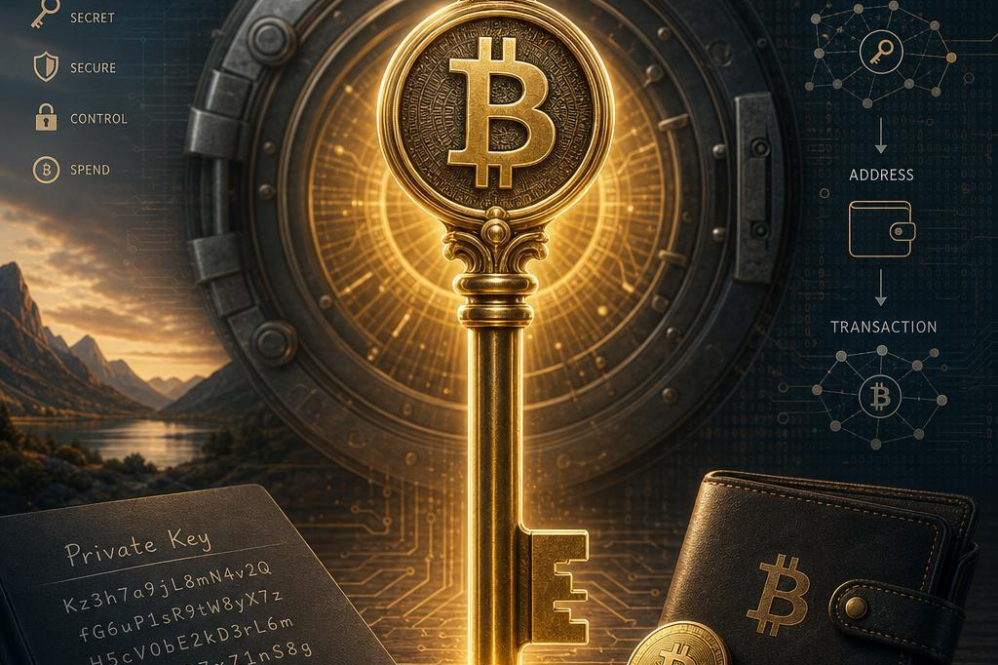
Understanding the Role of Private Keys in bitcoin Security
At the center of bitcoin’s robust security framework lies the private key, a cryptographic secret essential for controlling and spending bitcoins. This string of alphanumeric characters is what enables users to sign transactions, proving ownership of the associated funds without revealing the key itself. Because the private key grants full access to one’s bitcoin holdings, keeping it confidential is paramount-any compromise means an irreversible loss of assets.
Private keys are mathematically linked to public keys, which function as digital addresses visible on the bitcoin network. However, unlike the public key, the private key must remain hidden and protected at all costs. Users typically store private keys in secure wallets, which can be hardware devices, software applications, or even air-gapped paper wallets. The security practices surrounding private keys frequently enough include backup procedures, strong encryption methodsand multi-factor authentication to prevent unauthorized access.
| Aspect | Role in bitcoin Security |
|---|---|
| Private Key | Acts as the ultimate proof of bitcoin ownership and authorizes spending. |
| Public Key | Creates the bitcoin address visible for transactions, derived from the private key. |
| Wallet Security | Protects private keys through encryption and access controls. |
- Irreversibility: Lost or stolen private keys result in loss of bitcoin.
- Cryptographic strength: Private keys rely on complex mathematics, making guessing virtually unfeasible.
- User responsibility: security depends heavily on how users manage and protect their keys.
How Private Keys Authenticate and Authorize bitcoin Transactions
At the heart of every bitcoin transaction lies a cryptographic masterpiece: the private key. This unique alphanumeric code acts as a digital signature, proving the ownership of the bitcoin in question. When you initiate a transaction, this key generates a cryptographic signature that confirms you are the legitimate holder of the bitcoin being spent - no intermediaries or central authorities needed. Without this secret code, no transaction authorization could occur, making it a powerful and indispensable safeguard.
The process works on two essential principles: authentication and authorization. Authentication verifies that the sender is indeed who they claim to be, while authorization ensures they have the right to spend the specified amount of bitcoin. The private key accomplishes both by:
- Signing the transaction with a cryptographic signature unique to that transaction
- Linking the signature to the sender’s public key, which others can verify on the blockchain
- Ensuring that only the holder of the private key could have generated that valid signature
To illustrate, consider the following simplified comparison of public and private keys within bitcoin’s ecosystem:
| Key Type | Role | Visibility |
|---|---|---|
| Private Key | Generates signature, authorizes transactions | Kept secret by owner |
| Public Key | Used by others to verify signatures | Shared openly on the blockchain |
Best Practices for Safeguarding Your bitcoin Private Keys
Securing your bitcoin private keys is paramount because anyone with access to these codes can control your digital assets.One of the most effective methods involves using cold storage solutions, which keep your keys offline and away from potential hackers. Hardware wallets are widely regarded as a secure option sence they store keys in a tamper-resistant device, isolating them from online threats. Additionally, paper wallets-where keys are printed and physically stored-offer another layer of protection, especially when safely tucked away in fireproof and waterproof safes.
When managing your private keys, always employ strong encryption and multi-layered backups. This means encrypting any digital copies with robust algorithms and making multiple backups stored in geographically separated locations. Avoid saving keys in easily accessible cloud storage or on internet-connected devices without additional protection. It’s crucial to limit exposure by sharing your private keys only with trusted partiesand never transmit them over unsecured dialog channels such as email or regular messaging apps.
| Best Practice | Reason |
|---|---|
| Use Hardware wallets | Isolated from internet risks |
| Create Multiple Backups | Prevents loss through damage or theft |
| Enable Password Encryption | Secures backup copies |
| Store Offline | Eliminates hacking vulnerabilities |
| Limit Sharing | Reduces risk of insider threats |
Techniques for Recovering and backing Up Private Keys Safely
Safeguarding private keys is paramount to maintaining control over your bitcoin assets.When it comes to recovering these sensitive codes, a multi-layered approach is essential. One of the safest methods involves creating secure offline backups stored in hardware wallets or encrypted USB drives. These devices are designed to resist hacking attempts and physical damage, ensuring your keys remain intact. Additionally, consider splitting your key into multiple parts using Shamir’s Secret Sharing, distributing each fragment safely in different trusted locations. This practice prevents any single point of failure while enabling recovery when a quorum of parts is combined.
Backing up private keys shoudl never rely solely on digital storage mediums prone to malware or accidental deletion.Instead,utilize physical backups such as engraved metal plates or acid-free paper,both resistant to fire,water,and other environmental hazards.Storing these physical backups in secure locations like safety deposit boxes or home safes adds an extra layer of protection. Remember to document metadata about each backup without revealing the actual keys – this aids in recovery without compromising security. Employ passphrases or encryption on backups to make any unauthorized access futile.
| Backup Method | Advantages | Considerations |
|---|---|---|
| Hardware Wallets | Highly secure, offline storage | Keep physical device safe and backed up |
| Shamir’s Secret sharing | Distributed risk, threshold recovery | Manage multiple parts carefully |
| Metal Engraving | Durable, fire & water-resistant | Requires secure physical storage |
| encrypted Digital Storage | Portable, easy duplication | Vulnerable if encryption is weak |
