Understanding the Functionality and Accessibility of Hot Wallets
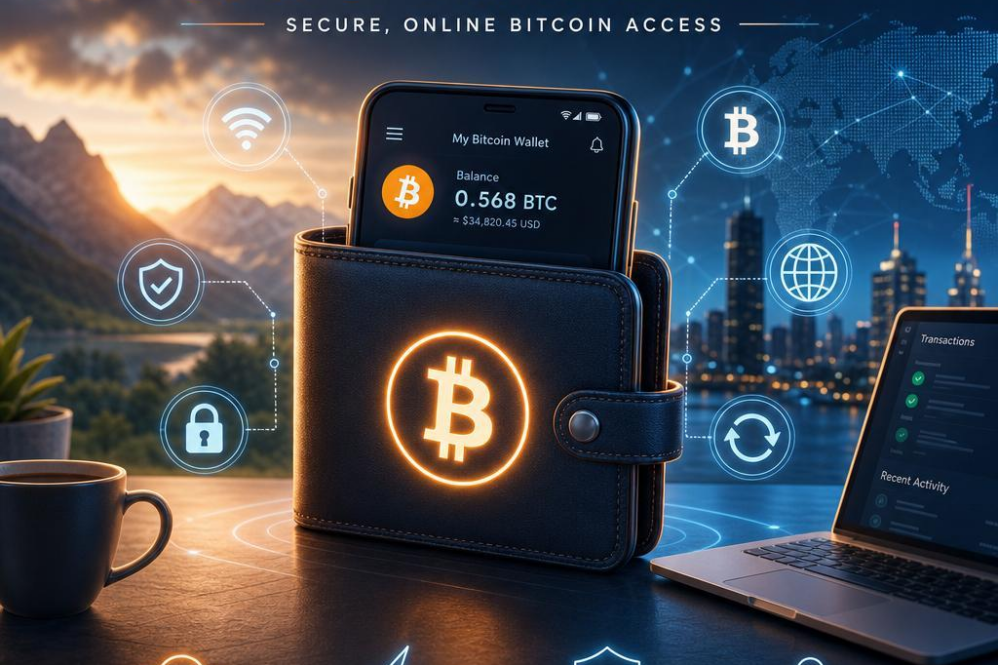
Hot wallets operate as digital vaults connected to the internet, facilitating swift and convenient transactions for bitcoin users. These wallets are typically apps or software platforms that store private keys online, ensuring that users can instantly access their bitcoin holdings whenever needed. Despite the convenience, the constant internet connection requires users to weigh the trade-off between accessibility and potential exposure to cyber threats. though, robust encryption and frequent security updates help mitigate these risks while maintaining seamless usability.
Key attributes of hot wallets include:
- Immediate transaction processing: Enables real-time sending and receiving of bitcoin without delays.
- User-friendly interfaces: Designed for both beginners and professionals,simplifying complex blockchain interactions.
- Cross-device synchronization: allows users to access their wallets securely from multiple devices.
- Backup and recovery options: Ensures funds are retrievable even in case of device loss or failure.
| Feature | Benefit | Consideration |
|---|---|---|
| Internet Connectivity | Instant access to funds and network | Higher risk of hacking if not secured |
| Private Key Storage | Own your keys for total control | Must be safeguarded with strong passwords |
| Backup Features | prevents loss through recovery phrases | Backup must be stored securely offline |
Evaluating Security Measures and Potential Vulnerabilities in Hot Wallets
Hot wallets provide unmatched convenience due to their constant internet connectivity, but this advantage also opens doors to various security challenges. Their online nature necessitates multiple defensive layers to mitigate unauthorized access risks. Common security measures include multi-factor authentication (MFA), end-to-end encryptionand frequent software updates to patch vulnerabilities. Yet, even with these precautions, hot wallets are intrinsically vulnerable to phishing attacks, malware infectionsand potential data breaches from compromised service providers.
Key vulnerabilities often stem from:
- Exposure to network-based threats through public or unsecured Wi-Fi connections.
- The risk of private key leakage via malware or social engineering tactics.
- Inherent trust in third-party wallet providers, which may suffer internal security flaws.
| Security Measure | Effectiveness | Limitations |
|---|---|---|
| Multi-Factor Authentication (MFA) | High | depends on user vigilance and device security |
| End-to-End Encryption | Moderate to High | Can be compromised if keys are stolen |
| Regular Software Updates | Moderate | User compliance is critical |
Best Practices for Safeguarding Your bitcoin in a Hot Wallet
Hot wallets offer unparalleled convenience by providing immediate access to your bitcoin holdings, but this convenience requires a mindful approach to security. One of the primary safeguards is to enable two-factor authentication (2FA) whenever possible.This additional verification step substantially reduces the risk of unauthorized access, as it requires something you know (password) and something you have (a device or token). Ensuring your password is both unique and complex also forms a critical line of defense,deterring brute-force attacks and basic hacking attempts.
Maintaining your device’s security is equally vital. Regularly update your wallet software and operating system to patch known vulnerabilities that cybercriminals might exploit.Avoid using public or unsecured Wi-Fi networks when accessing your wallet to prevent interception of sensitive data. Additionally, consider the hardware and environment where you manage your wallet – keeping devices free from malware and spyware minimizes exposure to risks.
It’s also essential to adopt prudent management of your bitcoin amounts within a hot wallet. Limit the funds stored online to only what you need for immediate transactions, transferring larger reserves to cold storage solutions that remain offline. Below is a brief comparison of storage recommendations for different bitcoin amounts, tailored to balance accessibility with security:
| bitcoin Amount | Recommended Storage | Security Focus |
|---|---|---|
| Small (under 0.1 BTC) | Hot Wallet | ease of use and rapid access |
| Medium (0.1 – 1 BTC) | Combination of Hot and Cold Wallets | Balanced accessibility and safety |
| Large (over 1 BTC) | Cold Wallet with Multi-signature Setup | Maximum security and protection |
Comparing Hot Wallets with Cold Storage for Optimal bitcoin Security
Hot wallets offer the convenience of instant access to your bitcoin, functioning through connected, internet-enabled applications or devices. They allow users to swiftly perform transactions, making them ideal for frequent traders or those who need regular access to their funds. Though, this constant connectivity also poses increased security risks, as hot wallets are more vulnerable to hacking, phishing attacksand malware infiltration compared to offline storage methods.
Key advantages of hot wallets include:
- Immediate transaction execution without delay.
- user-friendly interfaces with mobile or desktop app integration.
- Multiple wallet options designed for various levels of technical expertise.
| Aspect | Hot Wallet | Cold Storage |
|---|---|---|
| Connectivity | online | Offline |
| Security | Medium (subject to cyber threats) | high (immune to online attacks) |
| Access Speed | Instant | Delayed |
| recommended Use | Everyday transactions, active trading | Long-term holdings, large amounts |
![Bitcoin trading platform bitmex hits 1 million btc in daily volume [again]](https://ohiobitcoin.com/storage/2018/08/I7EYua.jpg "Bitcoin trading platform bitmex hits 1 million btc in daily volume [again]")