bitcoin Wallets Explained: What You Need to Know
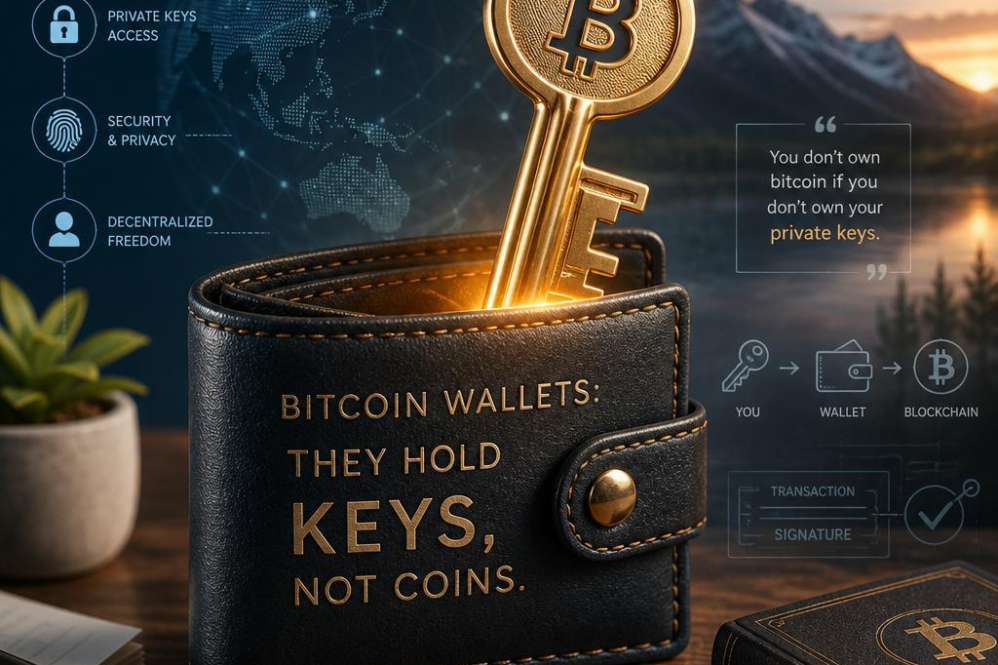
A bitcoin wallet is essentially a digital keychain, housing your cryptographic keys that provide access to your funds, rather than physically holding coins. These keys are crucial because they verify your ownership of bitcoin addresses; without the correct keys, you cannot transfer your funds. When someone refers to a bitcoin wallet, they’re primarily talking about the software request that manages these keys.
Understanding the types of wallets available can help you choose the right one for your needs. Cold wallets, like hardware wallets, store your keys offline to prevent hacking, while hot wallets are software wallets that interact with the internet and your online transactions. Hot wallets can be more convenient but come with a higher security risk. For beginners, starting with a combination of both could be a balanced approach.
To give you a clearer picture, consider the following table that compares key features of different wallet types:
| Wallet Type | Security Level | Convenience |
|---|---|---|
| Hardware Wallet | High | Low |
| Software Wallet | Moderate | High |
| Paper Wallet | High | Low |
The Importance of Crypto Security Beyond Just Wallets
Beyond the security of your digital wallet, guarding your crypto assets requires a broader understanding of the potential risks and strategies to mitigate them. Phishing attacks,malware,and hardware failures present significant threats that can compromise your holdings. A complete approach involves more than just secure storage; it encompasses safe management and usage practices as well.
One critical aspect is securing your digital identity. This goes beyond just protecting your private keys and involves safeguarding your personal data from being harvested by malicious actors online. Implementing multi-factor authentication (MFA) and strong, unique passwords for every account can go a long way. regular audits of your activities and interactions on platforms where you store your private keys can help identify and address potential threats early on.
Another essential step is staying informed about the latest security trends and threats. Keeping up-to-date with industry news and security advisories can definitely help you take preemptive measures against emerging risks. Organizations like the provide valuable insights into new threats, which can guide you in adapting and adjusting your security protocols.
| Security Measure | Description |
|---|---|
| Multi-Factor Authentication (MFA) | Requires additional verification,such as a code from an app or a text message,for logging into accounts. |
| Private Key Cold Storage | Keeping private keys offline in devices like USB drives to prevent malware and online theft. |
| Regular Software Updates | Ensuring all software used for transactions and interaction is up to date against known vulnerabilities. |
Understanding Hierarchical Deterministic (HD) Wallets
Hierarchical Deterministic (HD) wallets have become a cornerstone of modern bitcoin storage. They enable users to manage multiple bitcoin addresses from a single seed or mnemonic phrase, often consisting of a series of words. This unique feature allows for the generation of an infinite number of addresses while maintaining easy backup and recovery options. In essence, an HD wallet uses a master key to generate an entire hierarchy of keys, each linked to a specific bitcoin address, creating a secure and organized key management system.
Another significant advantage of HD wallets is their enhanced security features and user convenience. By offering hierarchical structure, users can easily keep track of numerous addresses for different purposes, such as receiving funds, sending payments, or storing long-term savings.For instance, if you want to receive donations, you could generate a new address for that specific purpose, ensuring privacy and preventing others from linking your donations to your spending activity. HD wallets also help prevent common mistakes like accidentally reusing the same address, which can expose you to privacy risks.
HD wallets come in various types and implementations, including BIP 32 and BIP 44 standards. These standards define how the hierarchical keys are derived and how wallets can be exchanged between different software applications. Here’s a simple comparison of two popular HD wallet types:
| Type | Derived Keys | Security | Usage |
|---|---|---|---|
| BIP 32 | Endlessly from one key | High, but limited to one type of currency | Cross-platform support, flexible address management |
| BIP 44 | Specific to bitcoin and other cryptocurrencies | High, with multi-currency capability | Suitable for multi-currency wallets; adheres strictly to cryptocurrency standards |
Understanding these standards and their applications helps in choosing the right HD wallet that aligns with your specific needs and security preferences.
Cold Storage Solutions for Enhanced bitcoin Security
Cold storage solutions have become a cornerstone of bitcoin security for serious investors and enthusiasts alike. By keeping your private keys offline, these devices insulate your digital assets from the myriad security threats found online. Options range from dedicated hardware wallets, like the Ledger Nano S and Trezor, to DIY solutions like paper wallets stored in a waterproof and fireproof safe. The key is to pick a solution that not only meets your current security needs but also accommodates any future changes in the bitcoin landscape. As an example, consider a scenario where you’re expanding your portfolio to include additional cryptocurrencies. Can your chosen cold storage solution easily adapt to this new reality?
One way to evaluate cold storage solutions is by their recovery process. How easy is it to recover your funds should your cold storage device fall victim to theft, lossor damage? Hardware wallets typically offer a seed phrase consisting of a series of words that, when entered into a new device, can regenerate your entire wallet and its private keys. This is a far cry from early paper wallets, which required manual entry of keys and were more prone to clerical errors during the recovery process. A well-documented recovery procedure ensures peace of mind, reducing the stress and potential for mistakes when you need to recover your funds.Beyond simple security,cold storage solutions also differentiate themselves by their integration capabilities. Some wallets are built with mobile apps or web interfaces, allowing for easy monitoring and management from anywhere with an internet connection. Others might only be accessible offline, offering a stricter interpretation of cold storage principles.An important feature to look out for is whether the solution can support multi-signature transactions, adding another layer of security by requiring multiple keyholders to authorize a transaction.This makes it useful for businesses or large organizations looking for extra security measures.The following table outlines some key features to consider when evaluating cold storage solutions:
| Feature | Description |
|---|---|
| Seed Phrase Length | The number of words in a seed phrase, which typically ranges from 12 to 24 words for high security. |
| Multi-Signature Support | Whether the wallet allows for transactions to be approved by more than one key holder. |
| Integration with Mobile/Web | If the wallet offers a user-amiable app or web interface, making it easy to monitor and manage funds. |
Choosing the Right Wallet: Hardware,Software,or Paper?
Choosing the right wallet is the first step towards securely storing your bitcoin,ensuring your assets are protected in a way that aligns with your needs. If you’re venturing into the world of cryptocurrencies, the wallet choice can feel daunting because of the plethora of options available-hardware wallets, software walletsand even paper wallets. Let’s break down the basics.
Hardware wallets take the lead in security because they keep your private keys offline. This means that the chances of them being hacked or compromised are considerably lower than with software wallets. As a notable example, Trezor and Ledger are popular options, each boasting unique features while adhering to the same principle of keeping secrets safe. On the downside, hardware wallets can be a bit pricier and require a bit more technical know-how to set up compared to software wallets.Software wallets, conversely, can be further divided into two types: desktop wallets and mobile wallets. Desktop wallets offer a balance of security and ease of use as they reside on a computer that isn’t typically connected to the internet. This isolation makes it harder for malicious actors to access your funds, as demonstrated by the success of Exodus and Electrum. Mobile wallets, while less secure than their desktop counterparts, offer unparalleled convenience. They let you carry your bitcoin with you everywhere, which is highly useful for day-to-day spending, yet require you to be extra cautious about device security.
Paper wallets, once a common method, are now less frequently recommended. Essentially, a paper wallet is a piece of paper with a printed QR code for your public address and another for your private key.While this method was initially popular for its simplicity and durability, it comes with significant risks. If the paper is lost or damaged, your funds are gone for good. Also, there’s always the risk of human error during the setup process. Despite these drawbacks, paper wallets still serve as a reminder of the simple origins of cryptocurrency storage and hold a place in the history of bitcoin.
| Wallet Type | Primary Benefit | Concerns |
|---|---|---|
| Hardware | Offline Security | Cost and Setup Complexity |
| Desktop (Software) | Balanced Security and Convenience | Limited Portability |
| Mobile (Software) | Highly Convenient | Network Dependency and Device Security |
| Paper (Software) | Simplicity and Physical Security | Risk of Damage or Loss |
Best Practices for Managing Your Private Keys Safely
Private keys are the backbone of bitcoin security,acting as the gateway to your digital wealth. They are essentially the passwords for your bitcoin walletand losing these keys can mean losing your coins forever. When managing these keys, it’s crucial to prioritize their safety at all times. Start by understanding the different types of keys you’ll encounter, such as public and private keysand how they function within the bitcoin ecosystem. Public keys are meant to be shared widely, while private keys need to be kept absolutely secret.
One of the best ways to secure your private keys is by using hardware wallets. These devices store your keys offline,protecting them from cyber threats. However, even hardware wallets aren’t foolproof. Ensure you keep the device in a safe location, away from water, theftand physical damage. In addition to hardware wallets, consider implementing multi-signature transactions, which require more than one private key to approve a transaction. This adds an extra layer of security by ensuring that no single key alone can unlock your wallet. Another crucial step is using strong, unique passwords for any wallet software or service you use to manage your private keys.
Regularly updating your wallet software and staying informed about the latest security practices is another key aspect of managing your keys safely. Many wallet providers offer regular updates that fix vulnerabilities and enhance security features. Make sure not to fall behind in these updates. educate yourself about phishing attacks and other common theft methods so you can recognize and avoid them. Remember, staying vigilant and proactive in protecting your private keys is essential to safeguarding your bitcoin investments.
