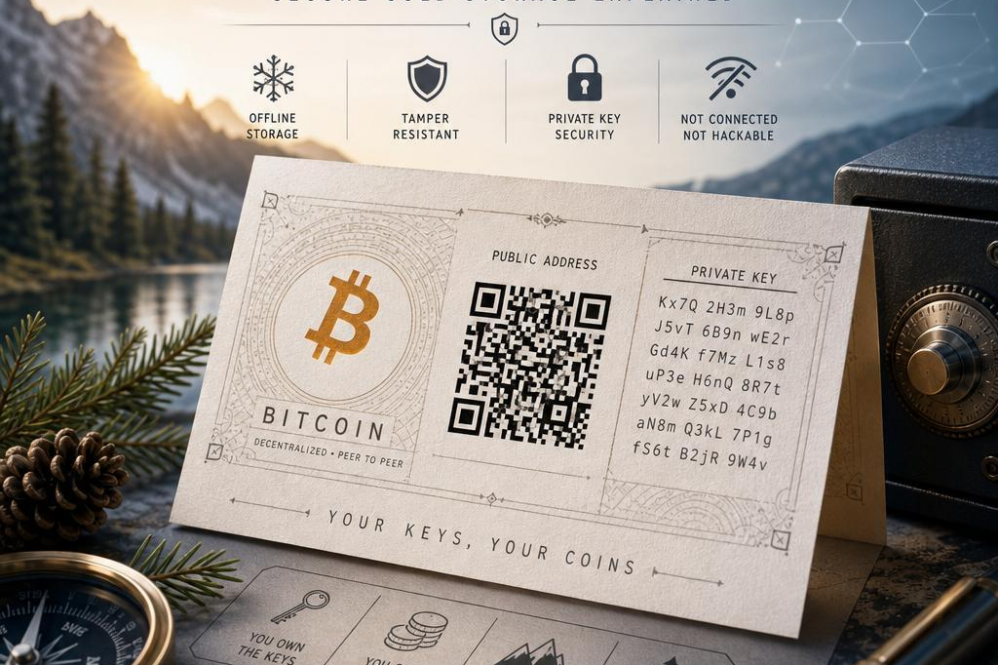
The Fundamentals of bitcoin Paper Wallets and Their Role in Cold Storage
bitcoin paper wallets represent a form of cold storage, a method of storing cryptocurrency offline to shield it from online threats like hacking and malware. Unlike digital wallets connected to the internet, paper wallets involve printing your private and public keys on a physical medium, often a piece of paper, which makes them immune to cyber attacks. This low-tech approach ensures that your digital assets remain inaccessible to anyone without physical access to the wallet.
The process of creating a paper wallet generally involves using a trusted generator that produces a pair of cryptographic keys: a public key for receiving bitcoin and a private key for spending it.Once printed, it’s crucial to store the paper wallet securely – ideally in a waterproof, fireproof container or a safety deposit box. Handling paper wallets requires care due to their vulnerability to physical damage and loss.
- Pros: complete offline security, no digital footprint, immune to online hacking.
- Cons: Susceptibility to physical damage or loss, requires careful manual handling, no recovery if lost.
| Aspect | cold Storage (Paper Wallet) | Hot Wallet |
|---|---|---|
| Connection | Offline | Internet-Connected |
| Security Level | High | Moderate |
| Access Convenience | Low | High |
| Risk | Physical loss/damage | Online attack |
Security Advantages and Risks Associated with bitcoin Paper Wallets
Safeguarding your bitcoin using a paper wallet offers a robust layer of protection by keeping private keys wholly offline. This form of cold storage mitigates risks associated with hacking, malwareand phishing attacks that typically target online wallets or exchanges. as your private keys are physically printed, they are immune to digital intrusion, making paper wallets a trusted choice for long-term holders who prioritize security over convenience.
Though, despite their strong defense against cyber threats, paper wallets come with inherent vulnerabilities.Physical damage such as water exposure, fireor simply fading ink can render your bitcoin inaccessible forever. Additionally, if the paper falls into the wrong hands, the digital assets can be instantly compromised. It’s essential to ensure secure storage conditions and have backup copies stored in geographically dispersed, secure locations.
Below is a speedy overview comparing the major security factors related to paper wallets:
| Factor | Security Advantage | Potential Risk |
|---|---|---|
| Exposure to hackers | Zero digital footprint, immune to remote attacks | Must be protected from physical theft |
| Durability | Offline format prevents software corruption | Susceptible to physical damage and decay |
| Backup & Recovery | Can be duplicated for secure backup | Improper backup increases risk of loss or theft |
Step-by-Step Guide to Creating and Safeguarding a bitcoin Paper Wallet
Creating a bitcoin paper wallet involves generating a unique pair of cryptographic keys offline to ensure that your funds remain secure from online threats.Begin by using a trusted, open-source wallet generator on an air-gapped computer – one that has never been connected to the internet. After generating the public and private keys,carefully print or write them down on a physical medium such as acid-free paper. this step ensures your secret key never touches an internet-connected device, bolstering your asset’s security against hacking and malware attacks.
Securing the paper wallet post-creation is as critical as generating it. To protect your paper wallet from physical damage or theft,consider the following best practices:
- Laminating the wallet: Protects against moisture and tearing.
- storing in a fireproof and waterproof safe: Guards against environmental damage.
- using multiple copies: Keep duplicates in separate,secure locations to prevent total loss.
- Avoiding digital copies: Never take photos or store wallet keys digitally to eliminate hacking risks.
Understanding the importance of private key confidentiality is crucial. This table outlines common vulnerabilities and recommended countermeasures when handling paper wallets:
| vulnerability | Countermeasure |
|---|---|
| Exposure to online devices | Generate keys offline on air-gapped systems |
| Physical theft or loss | Store multiple laminated copies in secure locations |
| Water or fire damage | Use waterproof, fireproof safes |
| Digital storage risks | Avoid photos or digital backups of keys |
Best Practices for Managing and Using bitcoin Paper Wallets for long-Term Storage
When managing bitcoin paper wallets for long-term storage, the foremost priority is security from physical damage.Store the paper wallet in a waterproof, fireproofand tamper-evident container, such as a specialized safe or laminated pouch. Avoid exposure to sunlight,moisture,and extreme temperatures. It’s equally crucial to create multiple copies and distribute them across geographically diverse, secure locations. This redundancy ensures access in case one copy is lost or compromised.
Handling the private key demands extreme caution to avoid digital exposure. Never scan or upload the QR code containing your private key to online services or devices connected to the internet. rather, use air-gapped computers or hardware wallets for any transactions requiring key usage. when generating the paper wallet, employ trusted, open-source software offlineand verify the integrity of the generation tool to minimize risks of malware or hacking attacks.
| Best Practice | Key Action | Reason |
|---|---|---|
| Use air-gapped devices | Offline wallet generation and signing | Prevents digital interception |
| Physical storage precautions | Fireproof & waterproof cases | Protects from environmental damage |
| Multiple copies | Distributed secure locations | Ensures key availability |
| do not digitize private keys | Avoid online uploads/scans | Reduces hacking risks |