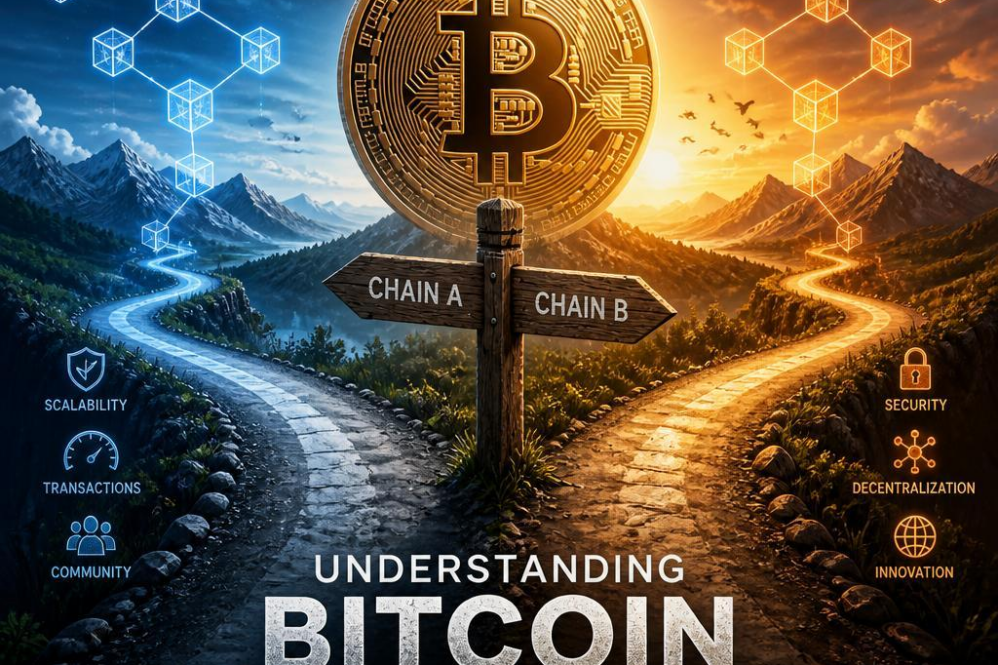
Understanding the Technical Foundations of bitcoin Hard Forks
At the core of every bitcoin hard fork lies a significant divergence in the blockchain protocol. This divergence occurs when developers modify the consensus rules in ways that are incompatible with previous versions. Unlike soft forks, where changes are backward compatible, hard forks require all nodes and miners to upgrade to the new software to recognize the altered rules. Failure to upgrade results in a split, producing two separate blockchains, each carrying its own version of transaction history and network state.
The technical foundation of these forks centers on consensus algorithms and protocol rules. Key elements subject to change include block size limits, transaction validation processesand scripting capabilities embedded within the bitcoin network. Modifying these parameters can concurrently aim to enhance scalability, improve securityor implement new features. Though, such changes must be carefully coordinated among the community to avoid fragmentation and network instability.
| Technical Aspect | Hard fork Impact | Example |
|---|---|---|
| Block Size Limit | Increases transaction capacity | bitcoin Cash |
| Transaction validation | Altering script rules for new features | bitcoin SV |
| Consensus Rules | Requires full node upgrade | bitcoin Gold |
Ultimately, bitcoin hard forks highlight the decentralized nature of blockchain governance. While technical upgrades propose pathways forward, they also underscore the importance of community consensus. Understanding the intricate mechanics behind these changes empowers stakeholders to better navigate the evolving crypto landscape.
Analyzing the Economic and Community Impacts of Blockchain Divergence
When blockchains diverge due to hard forks, the economic landscape surrounding the affected network often undergoes significant shifts. Investors and miners are compelled to reassess the value proposition of each resulting chain. This can lead to fluctuations in token prices, shifts in mining power distributionand even the reallocation of resources by developers and enterprises supporting the projects.The economic ripple effects frequently enough extend beyond the immediate network, influencing exchange markets and the broader cryptocurrency ecosystem.
From a community viewpoint, divergence can have complex consequences.Hard forks tend to crystallize differing visions for a blockchain’s future, often fracturing communities into distinct groups with unique priorities and governance models. These splits can decrease unified development efforts but also stimulate innovation by allowing parallel experimentation. Community trust and cohesion experience stress tests during these events, emphasizing the importance of clear communication and inclusive decision-making processes.
| Impact Category | Positive Effects | Challenges |
|---|---|---|
| Economic |
|
|
| Community |
|
|
Key Challenges in Maintaining Consensus after a Hard Fork
Following a hard fork, maintaining a unified vision among stakeholders proves to be a formidable endeavor. Divergent opinions on the direction of the project frequently lead to factionalism within the community. This fragmentation can escalate to diminished developer contributions, reduced miner cooperation, and conflicting endorsement of transactions, ultimately threatening network stability. The lack of consensus not only impacts technical protocols but also fractures the underlying trust upon which decentralized systems rely.
Operational misalignments become particularly pronounced as node operators and miners must decide which chain to support, often influenced by economic incentives and ideological beliefs. These choices ripple through the ecosystem, affecting transaction processing speeds, block validationand even wallet compatibility. The inability to coalesce around a single chain can lead to replay attacks and double-spend risks, which complicate user experience and security.
Moreover, the competitive tension between the resulting blockchains intensifies with each passing moment after the split. Market valuations, developer resources, and community engagement are all strained, sometimes irreparably.Below is a concise breakdown of the primary challenges faced post-fork:
| Challenge | impact | Key Concern |
|---|---|---|
| Community Division | Loss of unified support | Fragmented ecosystem growth |
| Technical Compatibility | Wallet and exchange issues | Replay attacks & transaction errors |
| Economic Incentives | Mining power dilution | Reduced network security |
Strategic Recommendations for Navigating and Participating in Hard Forks
to effectively navigate a hard fork, it is critical to maintain real-time awareness of network developments and developer communications. joining official forums, developer mailing listsand cryptocurrency community discussions helps investors and miners anticipate changes, evaluate the legitimacy of the forkand understand the implications for asset security. Staying informed also mitigates risks related to replay attacks and ensures readiness for necessary software upgrades.
- verify official sources: Rely only on trusted developers and core contributors for updates.
- Backup wallets: Secure private keys and seed phrases before the fork event.
- Assess community support: understand which chains have sustained engagement and infrastructure.
| Action | Purpose | Risk Mitigated |
|---|---|---|
| Software Upgrade | Aligns nodes with new consensus rules | Invalid chain splits |
| Wallet Backup | Preserves access to funds post-fork | Loss of assets |
| Community Research | Informs participation decision | Investing in unsupported tokens |