Understanding the Structure and Components of bitcoin Addresses
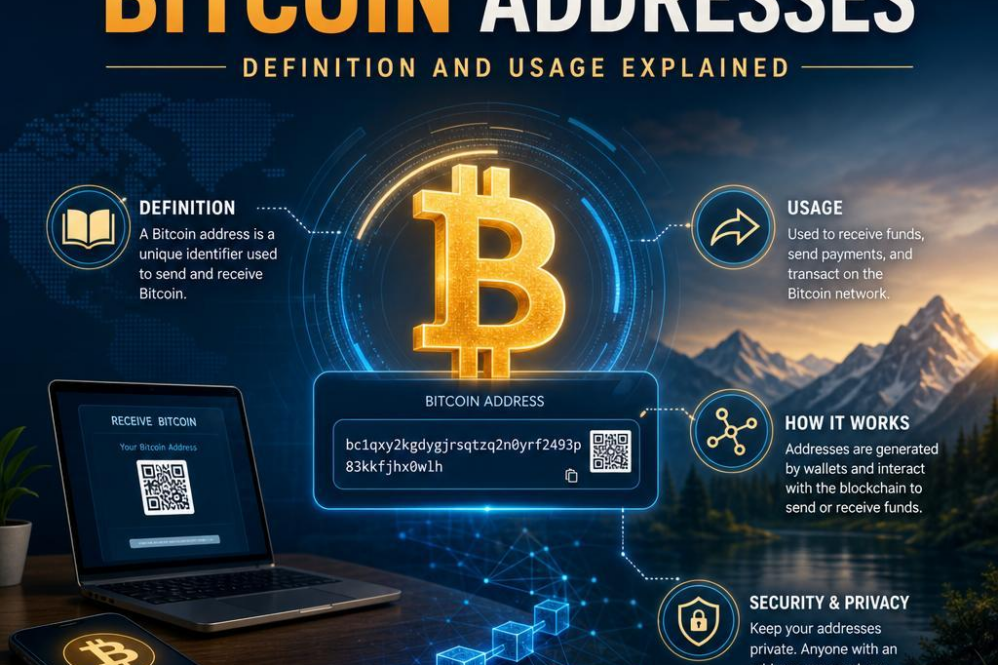
bitcoin addresses serve as the essential identifiers used to send and receive cryptocurrency within the bitcoin network.At thier core, these addresses are alphanumeric strings derived from a user’s public key thru cryptographic hashing, ensuring both security and anonymity. The structure typically begins with specific prefixes that indicate the type of address and the network it belongs to – for example, addresses starting with 1 or 3 denote legacy formats, while those beginning with bc1 signify bech32 SegWit addresses offering enhanced efficiency and reduced transaction fees.
The intricacies of bitcoin addresses can be broken down into several key components:
- Prefix: Indicates address type and network.
- Payload: The hashed version of the public key or script, which acts as the core identifier.
- Checksum: A sequence of characters added to detect errors in the address string,improving reliability during transmission.
| Address Type | Prefix | Main Purpose |
|---|---|---|
| Legacy | 1 or 3 | Standard transactions,widely supported |
| SegWit (P2SH) | 3 | Improved transaction malleability and lower fees |
| Native SegWit (bech32) | bc1 | Optimized for speed and cost efficiency |
The Role of bitcoin Addresses in Secure Transactions
bitcoin addresses serve as the crucial identifiers in the bitcoin network,enabling users to send and receive funds securely. Each address is a unique string generated through cryptographic algorithms, ensuring it corresponds to a specific wallet without revealing the owner’s identity. This one-way cryptographic function underpins the privacy and security model of bitcoin transactions, making it nearly unachievable to reverse-engineer the private keys from a public address.
In practice, these addresses act much like a digital bank account number, but with enhanced security features. Users can generate multiple addresses to separate transactions and increase anonymity, a feature not typically available with customary financial accounts. Once a transaction is initiated using a bitcoin address, the blockchain permanently records it, allowing all network participants to verify the authenticity and prevent double-spending in a transparent yet secure manner.
| Feature | Description | Benefit |
|---|---|---|
| Uniqueness | Each address is one-of-a-kind to its wallet holder | Prevents transaction errors and address duplication |
| Public Visibility | Addresses are visible on the blockchain ledger | Ensures transaction transparency and verification |
| Privacy | Owner identity remains undisclosed | protects users’ financial anonymity |
Best Practices for Managing and Protecting bitcoin Addresses
Secure Storage of Private Keys is paramount when managing bitcoin addresses. Since each address is tied to a private key that controls access,losing or exposing this key means losing control over your funds. It is indeed highly recommended to store private keys in hardware wallets or encrypted offline storage rather then digital or cloud-based platforms vulnerable to hacking. Implementing multi-factor authentication and regularly backing up keys in geographically separated locations can further mitigate risks related to theft or accidental loss.
Regularly Monitor Address Activity to quickly detect any unauthorized transactions. Utilizing blockchain explorers or wallet software notifications helps users stay informed about incoming and outgoing transactions linked to their addresses. This proactive approach not only enhances security but also assists in maintaining financial transparency and accountability,especially when handling multiple addresses or managing funds on behalf of others.
Practicing Address Hygiene and Segmentation is vital for privacy and risk management. Avoid reusing addresses whenever possible; rather, generate new addresses for different transactions or partners. This reduces the traceability of your overall holdings and minimizes the impact if one address is compromised. Below is an illustrative comparison of best and poor practices for bitcoin address management:
| Practice | Benefit | Risk if ignored |
|---|---|---|
| Use Hardware Wallets | Protected from online hacks | Keys vulnerable to malware |
| Generate New Addresses | Enhanced privacy | Loss of anonymity, easier tracking |
| Backup Keys Offline | Recovery in case of device failure | Permanently lost funds if key fails |
Common Mistakes to Avoid When Using bitcoin Addresses
Neglecting to verify the bitcoin address properly is one of the most frequent errors that can lead to irreversible loss of funds. Since bitcoin transactions are irreversible, a single mistyped or copied character can send your funds to an entirely different address. Always double-check addresses by copying and pasting rather of typing them manually. If possible, confirm the address via a secure secondary dialog channel to avoid interception or spoofing.
Another common pitfall is reusing bitcoin addresses for multiple transactions. While it might seem convenient, address reuse compromises your privacy and makes it easier for third parties to track your transaction history. bitcoin’s design encourages unique addresses per transaction to shield user identity and enhance security. Most modern wallets automatically generate new addresses for receiving payments; ensure you enable and utilize this feature consistently.
Many users also fall into the trap of confusing different types of addresses such as legacy (starting with “1”), SegWit (starting with “3”)and Bech32 (starting with “bc1”). Each has distinct purposes and compatibility considerations.Sending funds to an incompatible address type using certain wallets or services can cause delays or failed transactions. Refer to the table below for a fast overview:
| Address Type | Prefix | Compatibility | Notes |
|---|---|---|---|
| Legacy | 1 | Most wallets, slower & higher fees | Oldest format, still widely used |
| SegWit (P2SH) | 3 | Widely supported, reduced fees | Improves efficiency |
| Bech32 | bc1 | Newer wallets, lowest fees | enhanced error detection |