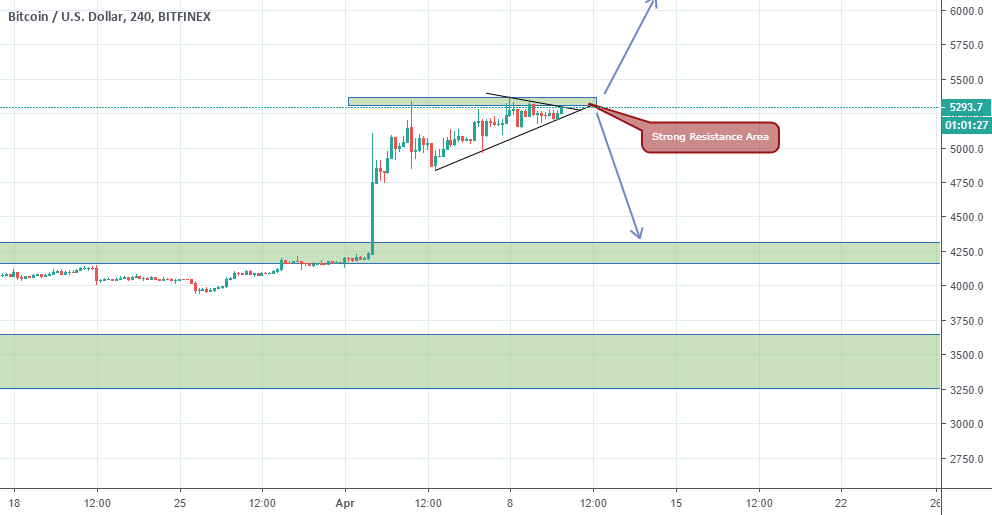
Understanding the Fundamental Principles of bitcoin Technology
bitcoin technology is fundamentally rooted in decentralization and cryptography.Unlike traditional currencies controlled by central banks, bitcoin operates on a peer-to-peer network that eliminates intermediaries and enhances security. At its core lies the blockchain - a distributed ledger system where every transaction is recorded transparently and immutably. This ensures not only security but also trust without relying on a central authority,making it revolutionary in the realm of digital finance.
The backbone of bitcoin’s security is its use of cryptographic algorithms.Transactions are authenticated using digital signatures through a process called public-key cryptography, which guarantees that only the rightful owner of Bitcoins can move them. Additionally, bitcoin’s consensus mechanism, known as Proof of Work (PoW), requires miners to solve complex mathematical puzzles to validate transactions and add new blocks to the blockchain. This mechanism maintains the network’s integrity while preventing fraudulent activities such as double-spending.
| Principle | Description |
|---|---|
| Decentralization | No central point of control; distributed across nodes worldwide |
| Transparency | All transactions are public and traceable on the blockchain |
| Security | Secured using cryptographic proofs and consensus algorithms |
| Immutability | Recorded data cannot be altered once confirmed |
| Supply Limit | Fixed maximum of 21 million Bitcoins |
Exploring the Economic Impact and Adoption Trends of Digital Currency
Digital currencies are reshaping financial landscapes by introducing unprecedented levels of efficiency and accessibility.Unlike traditional fiat currency, digital currencies operate on decentralized networks, promoting peer-to-peer transactions without intermediaries. This shift is not only altering payment systems but also influencing monetary policies worldwide. Economies are begining to recognize the potential of digital assets to enhance financial inclusion,reduce transaction costs,and accelerate cross-border commerce.
Adoption trends reveal a diverse global response:
- Emerging Markets: Countries with less developed banking infrastructure are rapidly integrating digital currency solutions, empowering unbanked populations.
- Institutional Engagement: Increasing interest from banks and investment firms is driving mainstream acceptance and regulatory frameworks.
- Consumer Behavior: growing trust in digital security and the convenience of digital wallets are contributing to rising consumer usage.
| Region | Adoption Rate (2024) | Key Drivers |
|---|---|---|
| North America | 42% | Regulatory clarity, Institutional investment |
| Asia-Pacific | 58% | Mobile payment infrastructure, E-commerce growth |
| Africa | 60% | Financial inclusion, Mobile money adoption |
| Europe | 35% | Regulatory frameworks, Tech innovation hubs |
Assessing the Security Measures and Risks in bitcoin Transactions
bitcoin transactions leverage a decentralized blockchain network, eliminating the need for intermediaries but placing a significant emphasis on cryptographic security. Each transaction is secured by digital signatures and verified through complex algorithms, making unauthorized modifications virtually impossible. However, the security of transactions also heavily depends on the user’s management of private keys; losing control over these keys can result in irreversible loss of funds. Regular software updates and secure wallet practices are critical in mitigating risks associated with potential vulnerabilities in wallet applications.
Despite robust cryptographic protections, several risks persist in the bitcoin ecosystem, including:
- Phishing attacks: Malicious actors often attempt to deceive users into revealing private keys or secret information through fake websites or emails.
- Exchange vulnerabilities: Centralized exchanges may be targeted by hackers, risking the safety of funds stored there.
- Transaction irreversibility: Once confirmed, bitcoin transactions cannot be undone, emphasizing the importance of verifying recipient addresses before sending funds.
| Security Measure | Risk Mitigated | Best Practise |
|---|---|---|
| Multi-signature wallets | Unauthorized access | Require multiple approvals for transactions |
| Cold storage | Online hacks | Store keys offline, physically isolated |
| Two-factor authentication (2FA) | Account compromise | Add a second verification step during login |
Strategic Recommendations for Investing and Utilizing bitcoin Safely
When venturing into the world of bitcoin investment, diversification and risk management are paramount. While bitcoin presents significant growth potential, it also carries volatility that can impact portfolios dramatically. Experts recommend allocating only a small percentage of your total investment capital to bitcoin, balancing it with more stable assets such as bonds or traditional equities. This strategy can mitigate risks while keeping investors exposed to the upside of the digital currency market.
Security should never be an afterthought. Utilizing hardware wallets or reputable cold storage solutions ensures control over private keys remains in your hands, significantly reducing the chances of hacks or theft. Additionally, employing multifactor authentication (MFA) across all bitcoin-related accounts and being wary of phishing attempts fortifies your holdings against common cyber threats. Regularly updating your security practices in line with evolving threats is essential to safeguard your digital assets.
| Aspect | Recommended Practice |
|---|---|
| Investment Allocation | 5-10% of portfolio |
| Storage Method | cold wallets / Hardware wallets |
| Security Measures | Multifactor authentication & regular updates |
| Market Timing | Long-term hold & dollar-cost averaging |
Long-term strategies like dollar-cost averaging (DCA) help cushion the effects of price fluctuations, allowing investors to accumulate bitcoin steadily without trying to time the market. Staying informed on regulatory developments and market trends is also crucial; jurisdictional policies can affect bitcoin’s usability and value, sometimes overnight. By combining prudent investment sizing, robust security protocols, and measured acquisition strategies, investors can responsibly tap into bitcoin’s transformative potential while minimizing exposure to its inherent risks.