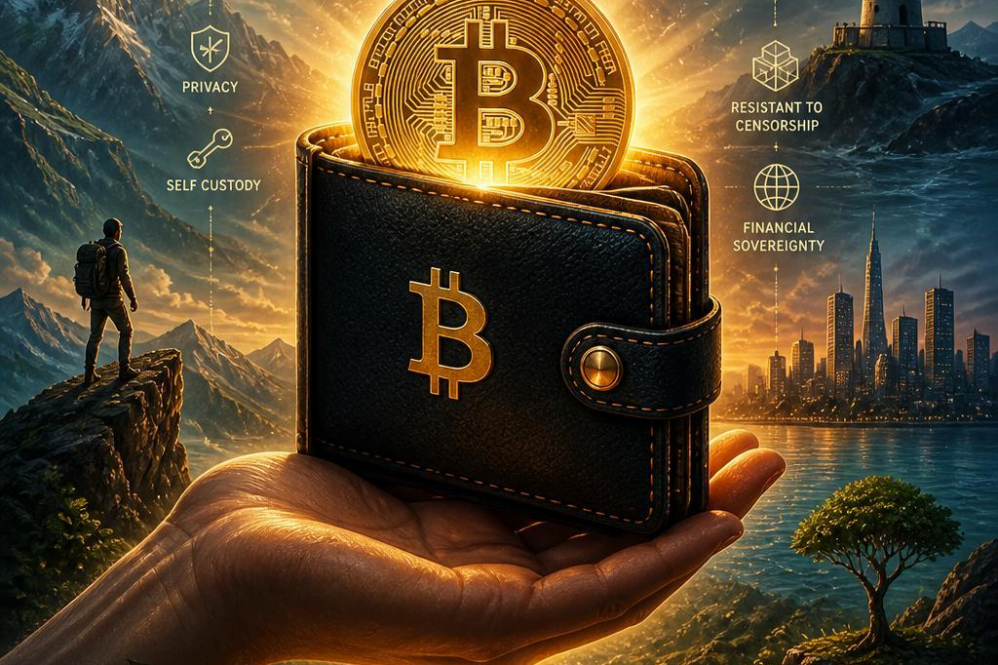
Empowering Users with Ownership
is at the heart of non-custodial bitcoin wallets. These wallets aren’t just tools; they are a radical shift in how individuals interact with their digital assets. Traditional custodial services act as guardians, holding the keys to your funds. With a non-custodial wallet, you are the guardian. This shift in control is empowering because users retain full autonomy over their bitcoin, free from the constraints and risks associated with third-party management.
Non-custodial wallets work by using advanced cryptography to ensure your private keys-essentially the codes that unlock your bitcoin-are stored securely on your device. This means that no one else can access your funds without your explicit permission. No intermediary can freeze or seize your assets. You are the only one with control. This level of personal responsibility might sound daunting, but it also makes users more aware of their digital hygiene practices, such as using strong encryption and multi-factor authentication to protect their private keys.
| Feature | Description |
|---|---|
| Private Key Storage | Ensures ultimate control over funds. |
| Decentralized | No reliance on centralized servers. |
| Transaction Verification | Uses blockchain technology for verification. |
In a world where financial power dynamics are increasingly shifting, non-custodial wallets stand out as tools that put users first. They embody the true spirit of bitcoin by returning control to the individual, enhancing security, and fostering a culture of digital responsibility.
Decentralizing Wealth Management
isn’t just a buzzword tossed around in crypto circles; it’s a basic principle that bitcoin enthusiasts and early adopters have embraced for years. The core of this ideology lies in the concept of self-sovereign finance, where the responsibility-and often, the risks-of managing your assets rest solely with you. By choosing non-custodial bitcoin wallets, users take control of their financial destiny, cutting out the middlemen that traditionally dictate the rules of the road. These wallets act as your own personal vault, storing your private keys on your device and under your sole control.
One of the key advantages of non-custodial wallets is the enhanced security they offer. When you use a traditional,custodial service,you’re essentially handing over your keys to a third party. This transfer of trust has its downsides, as seen in numerous high-profile security breaches where centralized exchanges have fallen victim to hackers. In contrast, non-custodial wallets keep your private keys secure on a device you control, mitigating the risk of unauthorized access. This doesn’t mean non-custodial wallets are infallible-users must still employ strong passwords and robust encryption to safeguard their holdings-but it does mean that the responsibility for security lies squarely on the user’s shoulders.
Diving into the specifics, various types of non-custodial wallets offer different features and user experiences. For example, Trezor and KeepKey, both hardware wallets, offer physical security with their offline storage capabilities, whereas software wallets like Electrum and Mycelium provide more streamlined UX for frequent transactions. Each has its merits:
- Trezor: Ideal for long-term storage with its tamper-resistant design.
- KeepKey: Offers superior battery life and easy web integration.
- Electrum: Known for its lightning-fast transaction processing and ease-of-use.
- Mycelium: Provides robust encryption and a suite of advanced features for experienced users.
The Security Paradigm Shift
The security landscape in the world of bitcoin has undergone a significant change, shifting the traditional custodial wallet model to a more empowering and secure non-custodial option.This shift represents a paradigm change where the control and security of one’s assets lie squarely in the user’s hands rather than with a third-party custodian. Non-custodial wallets offer users the freedom and responsibility to manage their bitcoin completely independently, without the need to trust a third party with their private keys. This empowerment through control not only enhances security but also democratizes access to financial freedom.
One of the primary advantages of non-custodial wallets is their ability to protect users from the vulnerabilities inherent in holding assets with a custodian.By storing your own private keys, you eliminate the risk of losing funds to hacker attacks that target custodial services. you become immune to the operational risks posed by custodians themselves.This means that any data breaches, financial crisesor even regulatory issues that might affect custodians do not impact your personal wealth. Users also gain complete transparency over their transactions and holdings, fostering a greater sense of ownership and control.
Another critical aspect of in non-custodial wallets lies in the technological advancements driving these new solutions. These wallets often incorporate modern cryptography and advanced encryption techniques to ensure the highest level of security. Features such as deterministic wallets, which create a sequence of addresses from a single seed phrase, allow for easy backup and restore of wallet contents without the need for a server to store your keys.Moreover, many non-custodial wallets now support multi-signature transactions, which require multiple signatures to authorize a transaction – thereby adding another layer of security. This approach not only protects user funds from unauthorized access but also aligns closely with the core principles of bitcoin, promoting decentralization and security.
Maximizing Privacy and Freedom
In the realm of digital finance,the concept of privacy and control has become paramount for users across the globe.Non-custodial bitcoin wallets stand out as a beacon of hope for those seeking to maintain sovereignty over their assets without sacrificing security or convenience. Unlike traditional custodial wallets, which require users to entrust their private keys to a third party, non-custodial wallets store these keys locally on the device, giving users complete autonomy over their digital assets.
The primary benefit of such wallets is not just about storing funds securely but also about the ability to transact freely. When your private keys remain in your possession, you are no longer tied to the regulatory whims or technical limitations imposed by service providers. This can include avoiding centralized controls that might curtail your ability to send or receive funds based on predefined rules or policies.
To ensure maximum privacy and control, consider integrating additional security measures such as hardware wallets or multi-signature setups. These tools complement non-custodial wallets by adding layers of protection that are particularly valuable when dealing with larger sums. For instance, a hardware wallet keeps your private keys offline, safe from hackers and malware. In a multi-signature setup,transactions require agreement from multiple parties,adding an extra layer of security and control.
| Method | Description |
|---|---|
| Hardware Wallet | Keeps private keys offline for added security. |
| Multi-Signature | Requires agreement from multiple parties for a transaction to occur. |
Practical Steps for Adopting Non-Custodial Wallets
Adopting a non-custodial wallet for your bitcoin isn’t just about securing your funds; it’s about reclaiming control over your financial life. The first step is to thoroughly understand the principles behind non-custodial wallets. These wallets allow you to be your own bank, which means you’re responsible for managing your private keys, the digital keys that grant access to your funds.This requires a fundamental shift in mindset from reliance on third parties to self-reliance.
Once you’re cozy with the concept, the next step involves setting up your wallet. The process is more intricate than signing up for an email account but not by much. Start by downloading the wallet app from a reputable source. For beginners, apps like Electrum offer a user-kind interface. Remember to ensure your device is secure before setting up, which usually means installing anti-virus software and a secure password. Once your wallet is installed, you’ll need to set up a seed phrase-a series of random words that acts as a backup for your private keys.
Choosing the right platform and understanding its features is crucial. Non-custodial wallets aren’t all the same; some offer advanced features like support for multiple cryptocurrencies, integration with decentralized finance (DeFi) platformsor even cross-platform connectivity. As an example, a wallet like MetaMask not only stores bitcoin but also interacts with various Ethereum-based DeFi applications. It’s crucial to review what each wallet offers and decide which one aligns best with your needs. Here’s a quick comparison of some popular non-custodial wallets:
| Wallet | Supported Cryptocurrencies | Key Features |
|---|---|---|
| Electrum | bitcoin (BTC) | User-friendly interface, support for hardware wallets |
| MetaMask | Ethereum (ETH), ERC-20 tokensand more | Decentralized finance integrations, cross-platform services |
| Brave | bitcoin (BTC), Ethereum (ETH)and more | Privacy-focused browser integration, easy-to-use interface |
Navigating the Challenges of Self-Management
Mastering the art of self-management is a pivotal step for anyone venturing into the world of non-custodial bitcoin wallets. These tools give users complete control over their funds, bypassing third-party intermediaries that traditional wallets rely on. However, this autonomy comes with its own set of responsibilities and challenges, such as ensuring the security of your private keys and staying vigilant against phishing attempts.It’s like having the keys to a high-security facility; you must know how to lock and unlock the doors securely and recognize the signs of unauthorized access.
One of the most significant challenges is the need for users to maintain a robust understanding of key management practices. Losing your seed phrase, as an example, can result in permanent loss of access to your funds. This risk places the burden squarely on the shoulders of the user. To mitigate this risk, it’s essential to invest time in learning best practices, such as writing down and storing your seed phrase in a secure location. You could compare this to setting up multiple layers of protection for your most valuable possessions, each layer adding a new barrier to entry for potential attackers.
Navigating the complexities of the bitcoin network without the safety nets provided by custodial services can be daunting. However, it also presents an chance to gain a deep understanding of the intricacies of blockchain technology and the true meaning of financial sovereignty. Below is a simple comparison of the benefits and risks associated with self-managed wallets versus custodial ones, helping you decide whether the freedom and control offered are worth the effort and responsibility.
| Self-Managed Wallets | Custodial Wallets | |
|---|---|---|
| Control | Full access to private keys, true control over funds | Access managed by third-party provider |
| Security | Dependent on user’s practices, risk of hacking if not secured properly | Higher security measures implemented by provider, but potential for misuse |