The Elusive Value Proposition Behind bitcoin Independence
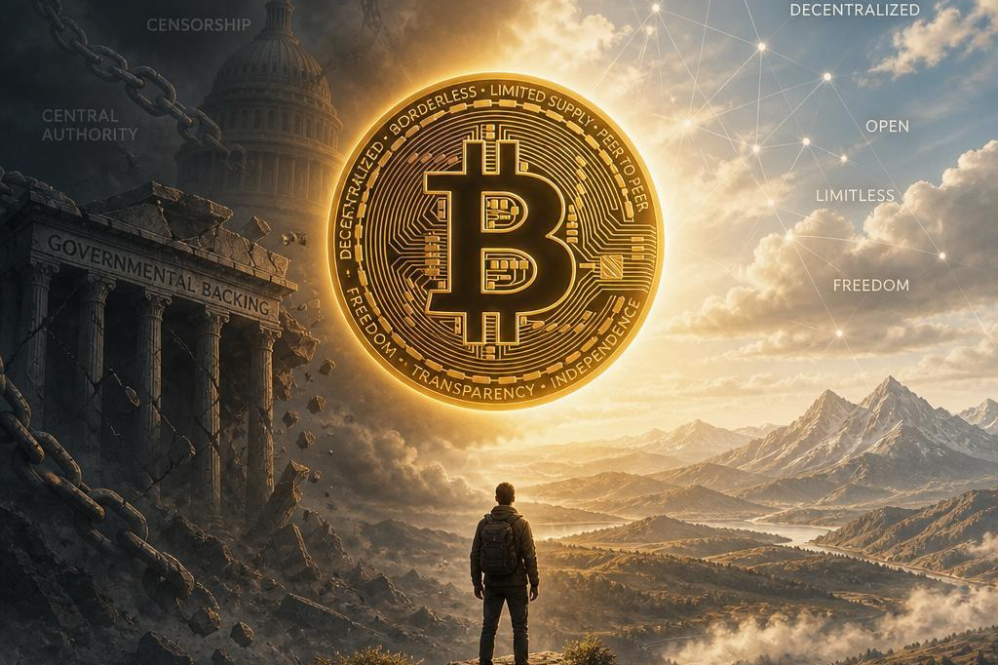
bitcoin’s claim to fame lies in its independence from traditional financial systems and governmental oversight. This radical departure from conventional norms has long puzzled observers who are used to the safety net of central banks and regulatory watchdogs. bitcoin thrives on its decentralized network, where no single entity holds control. Instead, it operates through a distributed ledger technology known as blockchain, which ensures that transactions can occur without the need for intermediaries like banks or payment processors.
One of the core principles behind bitcoin’s allure is its limited supply.Unlike paper currency, which can be printed in unlimited quantities, there will only ever be 21 million bitcoins mined. This scarcity drives value but also complicates its adoption among everyday users who might find the concept difficult to grasp compared to more familiar fiat currencies. Critics frequently enough argue that this cap on issuance might limit bitcoin’s practicality for widespread use due to possible inflation control issues in traditional economic metrics.Despite these challenges,proponents of bitcoin champion its potential as a hedge against economic instability and government overreach. A key advantage is its ability to be transferred internationally with relative ease and low fees compared to other forms of currency transfers. Transactions on the blockchain are obvious yet secure, offering a unique blend of privacy and traceability. For those looking for alternatives to centralized financial systems or seeking protection against currency devaluation in volatile economies,bitcoin’s independence offers an appealing prospect.
Understanding Decentralization Beyond Political Borders
Decentralization is frequently enough seen as an umbrella term that covers a wide range of technologies and concepts, all of which share a fundamental principle of autonomy from centralized authority or control. bitcoin, the pioneering cryptocurrency, embodies this spirit perfectly. It operates on a blockchain network where no single entity has complete power or influence over the system. Transactions processed through bitcoin are validated by nodes distributed around the globe,ensuring that there is no need for trust in any one central authority.
This unique feature of decentralization is what sets cryptocurrencies like bitcoin apart from traditional fiat currencies backed by governments.Traditional money relies on institutions such as banks and central banks to uphold value and manage supply.In contrast, bitcoin’s scarcity-limited to a total of 21 million coins-and decentralized validation processes mean that the currency is not controlled by any government or corporation. This autonomy makes it an intriguing option for individuals seeking financial freedom from established monetary systems.
Understanding decentralization in this context requires looking beyond national borders and institutional frameworks. A key aspect lies in recognizing peer-to-peer interactions within its network as the driving force behind bitcoin’s functionality. Transactions between users are facilitated without needing intermediary verification,creating a direct line of communication that bypasses traditional banking methods. This shift offers an option vision for global finance, where financial autonomy is enhanced by technological innovation rather than top-down regulation.
Key Features of bitcoin’s Decentralized Nature:
- Global access: Anyone with internet can join.
- No central authority: Transactions verified peer-to-peer.
- Fair distribution: 21 million cap prevents inflationary practices.
| Feature | Description |
|---|---|
| Clarity | All transactions are public, yet pseudonymous. |
| Security | Complex cryptography ensures protection against fraud. |
Strategic Advantages for Investors Evading Traditional Monetary Control
When investors consider traditional monetary systems, they often grapple with factors like central bank policies and national economic swings that can dramatically affect their investments. However, the rise of bitcoin offers a unique alternative-a digital currency free from such influences. Its value is intrinsically tied to supply and demand in an open market rather than any specific country’s financial health or government regulatory whims.
One immediate advantage of investing in bitcoin is its decentralised nature. Unlike paper money and other digital currencies backed by national banks, bitcoin operates on a peer-to-peer system through blockchain technology, reducing the control that central authorities can exert over it. This setup means that governmental bodies, while they might attempt regulations or outright bans, cannot issue currency out of thin air or manipulate supply to influence rates as easily as with fiat money.
Beyond this core principle, investors also enjoy enhanced security and transparency from bitcoin’s design principles. Transactions recorded on the blockchain are transparent yet pseudonymous, offering a high level of protection against fraud while maintaining personal privacy. This dual characteristic makes it attractive for individuals seeking safe investments outside the reach of standard monetary policy adjustments or unpredictable fiscal policies by governments. while trading in traditional currencies involves navigating complex regulatory landscapes and potential risks like inflation targeting or currency devaluation strategies set forth by central banks, bitcoin eliminates much of these variable factors as its issuance is predetermined and unalterable once released onto the network.
| Comparative Table |
|---|
| Traditional Currencies: · Governed by central banks · Subject to inflation and devaluation |
| bitcoin: · Decentralised control via blockchain technology · Fixed supply, immune to arbitrary issuance or debasement |
Navigating Risks Within a Framework Free From Central Authority
bitcoin operates in a unique ecosystem where no single entity holds control over its operations or regulations. This lack of central authority introduces several inherent risks that participants must navigate carefully. One major concern is the potential for security breaches, as seen with hacks on cryptocurrency exchanges and issues within digital wallets. Despite these incidents, bitcoin’s underlying technology remains robust, but vigilance and technical expertise are crucial.
To mitigate these risks, users need to educate themselves thoroughly about best practices for securing their assets. This includes using hardware wallets, enabling two-factor authentication (2FA)and storing private keys in offline environments like cold storage solutions.Awareness of the latest threats is also key-phishing attacks, malicious software, and other forms of cyber fraud are ever-evolving challenges that require constant adaptation.
In a world without regulatory oversight from traditional financial institutions or governments, users must be their own regulators. This means relying on peer reviews, community standardsand open-source audits to assess the integrity and security of bitcoin-related products and services. A table below summarizes some common measures for securing personal cryptocurrency holdings:
| Measure | Description | Action Required |
|---|---|---|
| Hardware Wallets | Physical devices designed to store private keys safely. | Purchase and set up securely. Choose reputable brands. |
| Troubleshoot issues with 2FA Apps or SMS codes. | Enable on your exchange accounts. Use backup methods like Authy App. | |
| Cold Storage Solutions | Holds cryptocurrency in offline devices away from the internet. | Create multiple backups. Store separate pieces in different secure locations. |
Best Practices For Maximizing Benefits In The Unregulated Domain
In navigating the unregulated domain of bitcoin, one must adopt certain best practices to reap the full benefits and shield oneself from potential pitfalls. Embracing decentralization doesn’t mean operating in a vacuum; it requires staying informed about the evolving technology and community standards. Engaging actively with forums and social media platforms where enthusiasts and experts share insights can provide invaluable guidance. Participating in discussions helps identify emerging trends, such as privacy-preserving technologies or user interface improvements, which are crucial for long-term engagement.
Security is paramount when dealing with cryptocurrencies like bitcoin, given their unique challenges compared to traditional financial systems.Key practices include using hardware wallets, two-factor authenticationand strong passwords. Regularly updating software and firmware ensures protection against vulnerabilities. It’s also wise to diversify storage solutions,whether through cold or hot wallets,depending on one’s level of involvement in day-to-day trading versus long-term holdings. Implementing these measures helps secure investments and preserves value amidst volatile market conditions.
Another critical aspect is staying compliant with tax regulations. Since bitcoin operates beyond the conventional financial system, it might seem tempting to overlook legal responsibilities.However,ignorance isn’t a defense. Many jurisdictions consider cryptocurrencies as assets for tax purposes. Regular consultation with a learned professional can clarify obligations and ensure compliance without disrupting daily transactions or investments.Understanding these rules is not only about avoiding penalties but also maintaining transparency-a hallmark of any successful venture.
| Security Measure | Description |
|---|---|
| Hardware Wallets | Holds private keys offline for enhanced security. |
| Two-Factor Authentication (2FA) | Adds an extra layer of protection by requiring a second form of authentication. |
| Password Best Practices | Use complex, unique passwords for different accounts and update regularly. |
Constructing A Secure Financial Future With Autonomous Digital Currency
Embarking on the journey of securing your financial future with autonomous digital currencies like bitcoin requires more than just understanding its mechanics; it demands a strategic approach to safeguarding and maximizing your investments within the decentralized ecosystem. One pivotal step is establishing a robust cold storage method, such as hardware wallets or paper backups, which isolates your holdings from the risks inherent in online exchanges. These methods aren’t just about protecting against hacking attempts but also preserving your financial sovereignty by keeping full control of private keys.
Another critical consideration is diversifying your portfolio within this new digital paradigm. While bitcoin remains a cornerstone asset owing to its proven track record, exploring other autonomous digital currencies can hedge risks and uncover perhaps lucrative opportunities in the evolving crypto landscape. Engaging with lesser-known coins that align with your investment philosophy or seek innovative solutions within blockchain technology offers both challenge and reward.
Knowledge is the currency of this terrain; staying informed through reputable channels like whitepapers, developer forumsand industry news can provide insight into upcoming trends and potential threats. Understanding the nuances of different digital wallets and the regulatory implications across various jurisdictions will help navigate the complexities of holding your financial future in a decentralized form. a proactive and educated approach is key to thriving in the uncharted territory of self-governed digital currency systems.