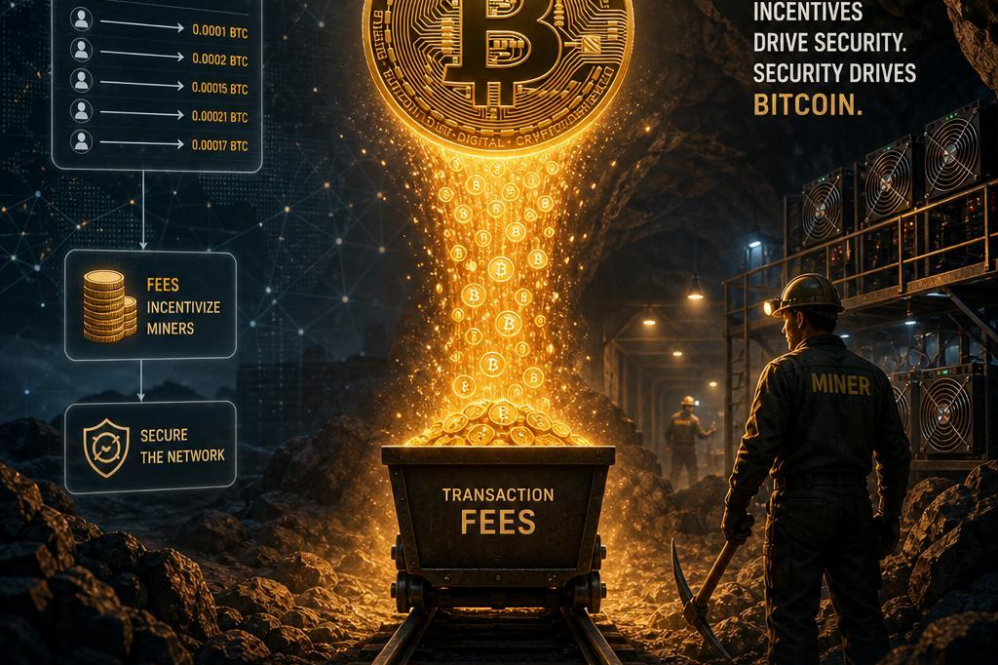
| Issue | Impact |
|---|---|
| Network Congestion | Increases fees |
| Transaction Priority | Affects speed and cost |
| Miner Incentives | Shifts focus towards higher fees |
The Impact of Volatile Transaction Fees on Network Security and Reliability
bitcoin’s transaction fees play a crucial role in regulating network traffic and maintaining the blockchain’s integrity and security. As the number of transactions grows,so do the fees,which act as a deterrent for spam and low-priority transactions. This helps keep the network healthy. Though, fluctuating fees can create a paradox where smaller transactions get pushed to the back of the queue, potentially leading to a fragmented confirmation process.
Transaction fees are essential for balancing the supply and demand of network resources. They ensure miners are motivated to process transactions efficiently, maintaining the network’s reliability and security. When fees are high, only the most valuable transactions get processed quickly, leaving others to wait. This can undermine the principle that all transactions should be treated equally and processed fairly.
The table below illustrates how varying fees impact confirmation times and miner incentives:
| Transaction Fee (BTC) | Confirmation Time | Miner Satisfaction |
|---|---|---|
| 0.001 | Several Hours | Low |
| 0.005 | 30 Minutes | Medium |
| 0.010 | 15 Minutes | High |
Understanding the relationship between transaction fees and miner behaviour can help in maintaining network stability. Educating users about appropriate fee settings can ensure the network remains efficient while preserving the integrity of low-value transactions. This balance is key to keeping bitcoin viable for both everyday and larger financial transactions.
Strategic Recommendations for Balancing Miner Incentives and User Experience
When thinking about the balance between miner incentives and user experience, it’s significant to recognize that transaction fees are crucial for network security and efficiency. Miners rely on fees as a significant source of income, especially as block rewards decrease. Meanwhile, users want speedy confirmations at the lowest possible cost, often leading to trade-offs. A strategic approach that addresses both miner and user needs is essential for the long-term health of bitcoin.
To enhance miner participation without overburdening users, one idea is to encourage the development of fee marketplaces and dynamic fee structures. These platforms can help users understand current demand and make informed decisions about fees. This clarity can incentivize miners to compete for transactions based on both speed and cost efficiency. For example, during high transaction volume, users might pay a premium to ensure quick confirmation. Conversely, during low demand, users can benefit from reduced fees.
Another approach is to promote transaction prioritization systems within wallets and exchange platforms. These systems can automatically adjust fees based on urgency and user preferences. For instance, a wallet might offer an option to prioritize small transactions for lower fees if quick confirmations aren’t necessary.This automation can ease the burden on users while rewarding miners for their efforts. community-driven initiatives like the Lightning Network can complement traditional on-chain transactions, offering near-instant confirmations at a lower cost. These innovations enhance user experience and provide miners with option revenue streams,fostering a more robust and sustainable bitcoin ecosystem.
Exploring Future Trends in Fee Structures and Their Influence on Mining Participation
As the cryptocurrency landscape evolves, the dynamics between bitcoin transaction fees and miner participation will become more complex. Future trends in fee structures will shape operational costs for users and the efficiency and security of the network. For example, dynamic fee models could adjust in real-time based on network congestion and demand. During high volume, fees might spike, incentivizing miners to process more lucrative transactions. When network activity is low, fees could drop, allowing for more equitable distribution among miners and benefiting users with lower fees.
The emergence of new technologies like the Lightning Network could shift transactional weight away from the blockchain, leading to higher fees for core block transactions while off-chain solutions become more common. Miners may need to adapt their strategies to integrate these new systems effectively, as the shift towards second-layer solutions could reduce overall on-chain transaction volume.
| Time Frame | Fee Level | Impact on Mining |
|---|---|---|
| High Volume | Very High | Increases Profit for Processors |
| Low Volume | Moderately Low | Encourages Equitable Rewards |
| Extremely High | Prioritizes High-Value Transactions |
This table illustrates how dynamic fee trends could influence mining participation and profitability.


![Bitcoin [btc] lightning network adoption would improve if exchanges start using it between themselves, claims tadge dryja |](https://ohiobitcoin.com/storage/2019/04/whatsapp-icon-square.svg "Bitcoin [btc] lightning network adoption would improve if exchanges start using it between themselves, claims tadge dryja |")