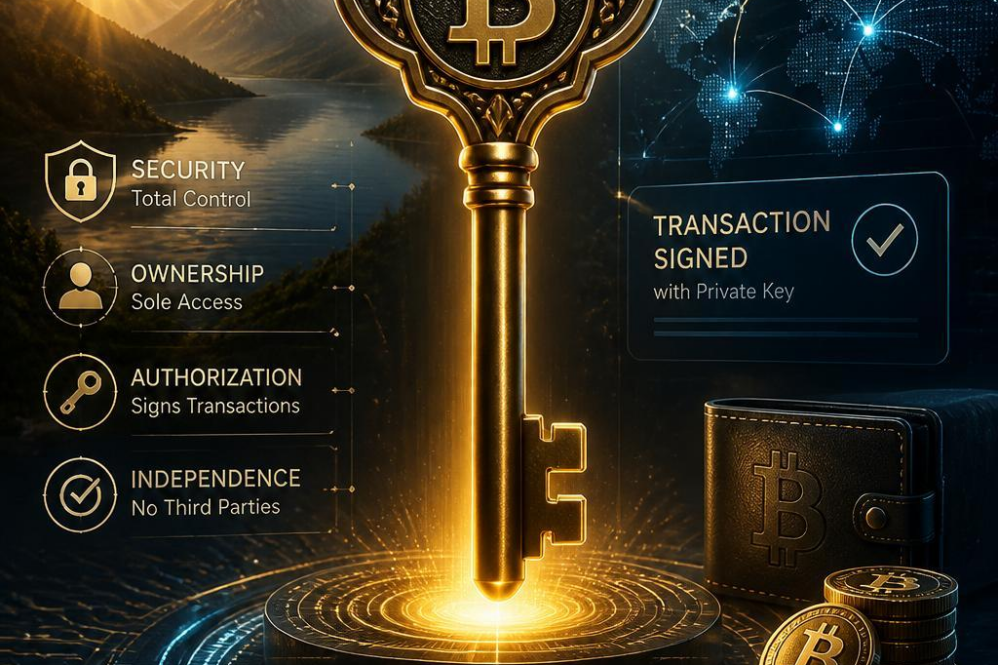
Understanding the Fundamentals of bitcoin Private Keys
is crucial for anyone delving into the world of cryptocurrency. At its core, a private key is a string of characters that grants access to your bitcoin holdings. It’s like the secret code to a digital treasure chest. While your bitcoin address acts as the public front, the private key is the exclusive backdoor that only you should know. Without it,attempting to move funds is akin to trying to unlock a safe with a broken key. The key’s main function is to sign transactions, ensuring that only the true owner can authorize withdrawals. It’s this basic aspect that prevents unauthorized parties from claiming the digital assets stored under your address.To illustrate the concept further, imagine that your bitcoin is stored in a virtual safe-deposit box. Each box has a keyholeand the private key is the unique key that fits it. If an attacker tries to forge a key to open the chest, the cryptographic algorithms embedded in the protocol would immediately deny the attempt, protecting your funds from fraud. This key also plays a role in creating a digital signature when you send bitcoin to someone else-ensuring that the transaction is authentic and not tampered with.These signatures are like special seals that only your private key can create, making them incredibly hard to fake.
Here’s a speedy look at how a private key interacts with other elements of a bitcoin transaction:
| Component | Role |
|---|---|
| Private Key | Serves as the unique identifier for signing transactions |
| Public Address | Acts as the public face for receiving bitcoin |
| Digital Signature | Ensures transaction authenticity and prevents tampering |
mastering the basics of private keys is the cornerstone of securing your bitcoin transactions. Whether you’re just beginning to explore blockchain technology or are looking to deepen your understanding, grasping how private keys function is essential to your digital finance journey.
Mastering the Art of Secure Private Key Management
is essential for anyone who deals with cryptocurrencies like bitcoin. When you store your private key in a secure manner, you ensure the safety of your funds against unauthorized access. Think of your private key as the golden key to your digital vault. Just as any treasure hunter would take extreme care to protect their map to buried riches, securing your private key should be a top priority. In the context of bitcoin transactions, a misplaced or stolen private key can lead to a financial disaster, making proper protection techniques crucial.
There are several methods to store your private key securely, each with its pros and cons. One common approach is to use a hardware wallet, which physically isolates your private keys from the internet. These devices are typically hardware gadgets that you plug into your computer or mobile device when you need to make transactions. Alternatively, some users prefer to use paper wallets by printing their private key and keeping it in a safe, physical location. This method offers a sense of tangibility and peace of mind. However, it also introduces risks such as fire, water damageor accidental loss. A balanced approach might involve using multiple security layers,blending hardware and software solutions to cover all bases. For instance, you could combine a hardware wallet with a multi-signature setup, where several private keys are needed to sign a transaction. This approach significantly reduces the risk of unauthorized access.
| Storage Method | Pros | Cons |
|---|---|---|
| Hardware Wallet | High security, tamper-resistant | Potentially higher costs, setup complexity |
| Paper Wallet | No electricity required, easy to implement | Susceptible to physical damage, risk of theft |
| Multi-Signature Setup | Enhanced security, transaction approval by multiple parties | Might complicate daily transaction workflows |
Ultimately, the right strategy for private key management depends on your specific situation. As a bitcoin user,understanding the importance of protecting your private key and exploring different security options will serve as a strong foundation for enjoying the benefits of the digital currency without fear.
The Critical Role of Private Keys in Ensuring Transaction Security
Private keys are the backbone of bitcoin security, functioning as unique digital signatures that control access to your cryptocurrency. They are like the combination to a high-strength lock, allowing you to decrypt and verify transactions that add to your bitcoin holdings. Mismanagement of these keys can lead to devastating consequences; if a private key falls into the wrong hands or is lost, the funds tied to that key are likely lost forever due to the pseudonymous nature of bitcoin. Protecting private keys involves a range of strategies, from cold storage solutions to multisignature wallets. Cold storage,such as hardware wallets,isolates keys from the internet,reducing the risk of hacking.
Maintaining the integrity and secrecy of your private key is crucial for preventing unauthorized transactions and ensuring the longevity of your digital assets.When storing private keys, consider adopting best practices for security, such as using strong passwords and keeping your hardware wallet’s seed phrase in a safe and secure location. Many users also opt to use services like Shamir’s Secret Sharing, splitting the key into multiple parts and requiring a specific number of parts to be combined to regain access to the full key. This adds an extra layer of protection, as even if one part is compromised, the entire key remains secure.
Table showing the impact of different types of private key security measures:
| Security Measure | Description | Pros | Cons |
|---|---|---|---|
| Hardware Wallets | Stores private keys offline. | Extreme security, tamper-proof. | Less accessible, potential hardware failure. |
| Password Managers | Secure password storage service. | Convenience,multi-factor authentication. | Dependence on internet security. |
Understanding the importance and management of your private keys equips you to navigate the complex and often treacherous landscape of cryptocurrency security. By taking proactive steps to secure your keys, you safeguard your assets against potential threats, ensuring peace of mind in a world where digital security is paramount.
Best Practices for Protecting Your bitcoin Private Keys
When protecting your bitcoin private keys, the stakes are immeasurably high. Each private key is a unique entry to your digital treasury, unlocking the power to send, receive, and manage your bitcoin. The first step towards ensuring the security of your keys is understanding the threats they face. Malware hackers, phishing attacksand even the potential for cold wallet storage devices to fail all present risks. Safeguarding your keys requires a proactive mindset and a suite of solutions. Let’s delve into some of the most effective strategies to keep your private keys secure.
One cornerstone of protecting your private keys is to use a reputable hardware wallet like the Ledger or Trezor. These devices are designed to secure your private keys by keeping them offline, ensuring that they are not at risk from the myriad threats lurking online. In addition to this, it’s crucial to diversify your storage methods. Consider using multi-signature (multi-sig) wallets or splitting your private keys across several devices and locations. A multi-sig setup, commonly known as a 2-of-3 or 3-of-5, requires multiple parties to sign off on transactions, increasing the barrier to entry for would-be attackers.
Regularly updating your software and practicing sound cybersecurity hygiene are also key. This means making sure your operating system and any software you use to manage your crypto, such as bitcoin Core or a desktop wallet, is always up to date. Avoid using outdated software as it can leave you exposed to known vulnerabilities. never download software from untrusted sources, as this can lead to malware infecting your device and compromising your private keys. To help you stay organized and diligent, consider setting up a schedule for reviewing and updating your wallet software and security practices.
| Wallet Type | Security Features |
|---|---|
| Hardware Wallet | Offline storage, multi-signature compatibility, PIN protection |
| Multi-Sig Wallet | Requires multiple signatures, enhanced fraud protection |
Beyond technical measures, it’s also crucial to keep physical safeguards in place.Print out your private keys and store the hard copies in a secure location, like a safe or a fireproof box. If you use a paper wallet or a physical ledger, consider storing these documents in multiple secure locations to minimize the risk of losing access to your funds. never share your private key with anyone or reuse it across multiple wallets and exchange accounts. By adhering to these practices, you can significantly reduce the chances of unauthorized access and protect your bitcoin investment from potential losses.
Leveraging Private Keys for Efficient and Reliable Crypto Transactions
Private keys are the backbone of cryptocurrency security, enabling users to interact with their digital assets privately and securely. A bitcoin private key, in particular, serves as a sort of digital signature that grants you full control over the funds in your bitcoin wallet. This key is not just a piece of data; it’s the key to the kingdom of your cryptocurrency holdings. When securely managing your private key, you’re safeguarding not only your assets but also your transactions’ confidentiality and integrity.
To ensure the reliability and security of bitcoin transactions, private key management must be meticulous. One common practice is to use hardware wallets, frequently enough referred to as cold storage solutions. These devices store private keys offline, making them a secure line of defence against cyber threats. In contrast, software wallets on your computer or smartphone can be more susceptible to malware and hacking attempts. The decision to opt for a hardware wallet is a proactive measure in protecting your keys from digital threats. Another method is the usage of multi-signature wallets, which require multiple private keys to authorize a transaction, adding an extra layer of security.
Understanding how private keys interact with the bitcoin network can demystify the transaction process. When you initiate a transaction, your wallet software creates a unique signature using your private key, which is then broadcast to the network. The network verifies this signature against the public address associated with your bitcoin wallet.This verification process ensures that the transaction is legitimate and authorized by the rightful owner of the funds. Below is a simplified table illustrating the key interactions during a bitcoin transaction:
| Step | Action | Outcome |
|---|---|---|
| Initiation | Private key signs transaction | Secure authentication |
| Verification | Network checks signature | Authorized transaction |
Managing private keys responsibly is akin to handling the keys to a bank vault. It demands a meticulous approach and vigilance to prevent breaches. By understanding and implementing the right security measures, you can ensure that your bitcoin transactions are not only efficient but also secure.

![Re: [ann][bitsend] Новый cpu algo xevan - bittrex - livecoin](https://ohiobitcoin.com/storage/2017/04/ZaQ5lb.jpg "Re: [ann][bitsend] Новый cpu algo xevan - bittrex - livecoin")