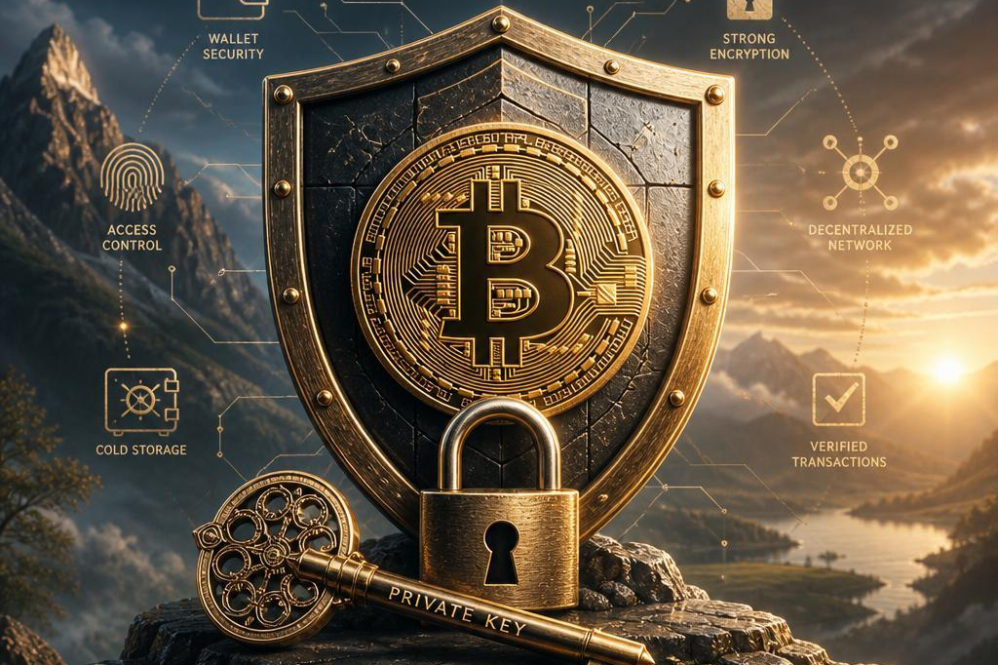
Understanding The Mechanics Behind bitcoin Security
bitcoin’s security hinges fundamentally on cryptographic principles that underpin its network structure and transaction validation process. At the base of this system lies a robust public-key infrastructure designed to ensure that only the rightful owner can spend their bitcoins. This is accomplished through complex algorithms like elliptic curve cryptography, which generates unique pairs of keys-public for transactions and private keys for access control. Securely storing these private keys is paramount since any breach could result in irrevocable loss of funds.
Several layers of security protocols safeguard the integrity of bitcoin transactions, making it incredibly resilient against both internal threats and external attacks. To mitigate malicious activities like double-spending or 51% attacks, the network uses consensus mechanisms that require extensive computational power to alter transaction history. An essential aspect here is the difficulty adjustment algorithm, which dynamically adjusts challenge levels based on the collective computing efforts of nodes across the globe. This ever-evolving defense system ensures that no single entity can compromise the network’s stability.
Understanding the mechanics behind bitcoin’s security also involves recognizing how privacy and pseudonymity are preserved within its framework. Transactions are recorded in a public ledger known as the blockchain, but personal information is stripped out, leaving only alphanumeric sequences representing individuals. This anonymity layer not only enhances user confidentiality but also substantially complicates efforts by bad actors to trace ownership or conduct identity-based attacks. Maintaining this balance between transparency and privacy makes bitcoin an attractive option for users seeking secure digital currency transactions without compromising their identities.
The Critical Role Of Private Key Custody In Safeguarding Assets
Private key custody is at the core of bitcoin’s security model. It acts like the digital key to your safe deposit box in a highly decentralized network. Safeguarding these keys effectively means ensuring that no unauthorized party can gain control over your assets. This responsibility extends beyond simple password protection; it involves a deep understanding of cryptography and practical security measures. As an example,hardware wallets stand out for their physical isolation from the internet,limiting the exposure to hacking attempts.
Secure private key management requires not only technical know-how but also meticulous planning and continuous scrutiny. One must think about how assets might be compromised in various scenarios-whether it’s a theft of a password-protected computer or the loss of a device housing vital crypto keys. A multi-layered approach, such as cold storage combined with biometric verification on an encrypted drive, can significantly enhance protection against both digital and physical threats. These measures are not just safeguards; they are essential components in building trust within the bitcoin community.
To illustrate the importance of different custody methods, consider a simple comparison:
| Custody Method | Security Level | Access Convenience |
|---|---|---|
| Hot Wallets | Moderate | Highly Convenient |
| Cold Wallets (Hardware) | Very High | Less Convenient, Requires Initial Setup |
| Paper Wallets | Highest with Proper Handling | Least Convenient for Daily Use |
the integrity and continuity of bitcoin depend on robust private key management strategies. By adopting a blend of proven security practices, individuals can safeguard their digital wealth from ever-evolving threats while contributing to the overall resilience of the cryptocurrency ecosystem.
Implementing Multi-Layered Defense Strategies For Enhanced Protection
relying solely on basic security measures is like leaving a key under the doormat. A multi-layered defense strategy is essential for truly securing your private keys against today’s refined threats. This approach combines hardware wallets with specialized software and behavioral layers to create an impenetrable fortress around your digital assets.
At the core of any robust security framework lies the management of private keys, which act as the master controls over bitcoin transactions. Hardware wallets are an excellent first line of defense by storing these keys offline in a secure surroundings isolated from internet threats. Complementing this with cold storage solutions and paper backups ensures that your private keys remain safe even if your hardware wallet is compromised. regularly rotating recovery phrases adds another layer of complexity for potential attackers.
Behavioral security measures are just as critical as technical safeguards when protecting bitcoin assets. Implementing strict two-factor authentication (2FA) and biometric verification on all related accounts creates an additional barrier against unauthorized access. Network segmentation is also vital; keeping your digital currency transactions entirely separate from other internet activities reduces the risk of exposure to malware or phishing attempts designed to steal login credentials. Table 1 below outlines some practical steps for enhancing your behavioral security practices:
| Practice | Impact |
|---|---|
| Behavioral Biometrics for User Verification | Enhances account security by confirming user identities beyond just passwords. |
| Limited Access to Sensitive Information on Devices | Mitigates the risk of data leakage through restricted request permissions and regular audits. |
| Incident Response Plan for Quick Action | Prepares individuals and organizations to respond swiftly in case of security breaches,limiting potential damage. |
Best Practices For Secure Storage And Management Of Private Keys
One of the most crucial aspects of bitcoin security is the secure storage and management of private keys. Private keys enable ownership over bitcoin funds, making them a prime target for cybercriminals.
To safeguard these keys effectively, it’s important to establish clear guidelines and protocols. First off,never store your private keys on any cloud platform or internet-connected device unless absolutely necessary-physical storage methods like paper wallets remain among the safest choices.
Varying levels of security can be implemented depending on personal needs. As a notable example, hardware wallets provide a secure environment that’s far less vulnerable to hacking attempts compared to software solutions stored on computers linked to the web. consider adopting multi-signature signatures where access requires more than one private key for transactions approval, adding another layer of protection.
![[btcusd] bitcoin [btc] interesting areas](https://ohiobitcoin.com/storage/2019/01/9nLeqx.png "[btcusd] bitcoin [btc] interesting areas")