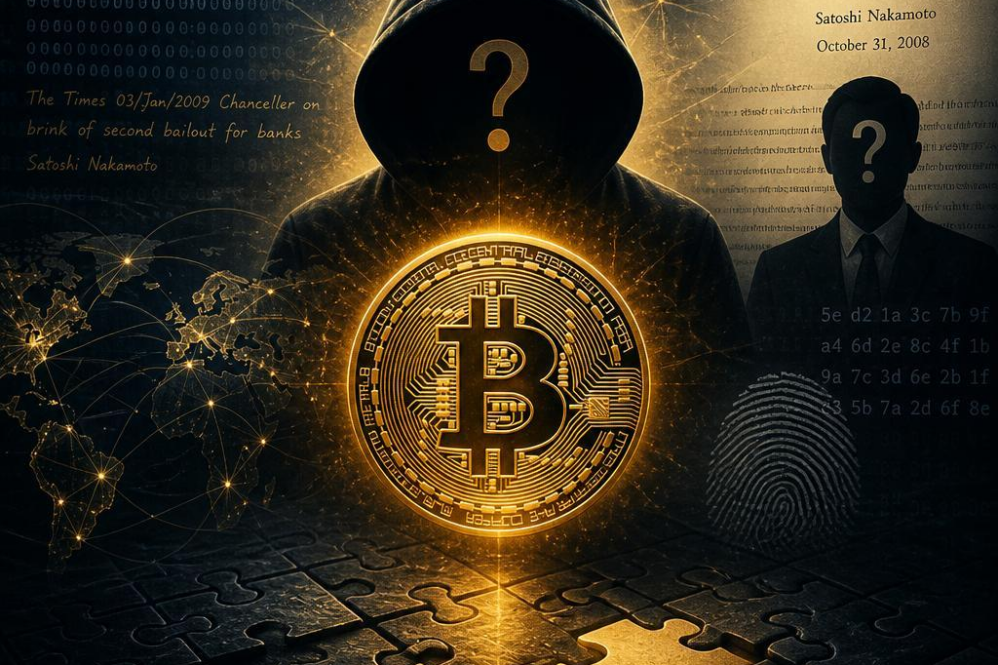
The Genesis of bitcoin and the Mysterious Satoshi Nakamoto
The origins of bitcoin and the tale of its enigmatic creator, Satoshi Nakamoto, is a story shrouded in mystery and intrigue.In the early days of 2009, a white paper was published under the pseudonym Satoshi Nakamoto, laying out the principles of the world’s first decentralized digital currency.This document, titled “bitcoin: A Peer-to-Peer Electronic Cash System,” not only introduced the concept of a blockchain but also set in motion a revolution in financial technology.
Among the theories about Satoshi Nakamoto’s identity, a few names have often been mentioned: Hal Finney, a cryptography activist and early bitcoin adopter, was speculated to be Nakamoto due to his involvement in bitcoin’s early advancement and proximity to the cryptographic community. Finney’s cryptographic history and technical expertise made him a credible candidate, but there’s no definitive proof linking him to the real Satoshi. Another name that has been bandied about is Nick Szabo, another noted figure in the field of cryptography and smart contracts. Szabo is known for his work on digital contracts,which shares some foundational ideas with bitcoin,yet his claim of innocence remains unrefuted. Last,Dorian Nakamoto,an American electronics engineer,was briefly suspected due to his familial name and technical background,though clear evidence was never produced. A journalist’s report claiming to have interviewed Dorian as Satoshi ignited a short-lived media frenzy before being discredited.
These speculations often overlook the possibility that Satoshi Nakamoto could be a group of individuals rather than a single person or a pseudonym. The collaborative nature of bitcoin’s initial development stages hints at the involvement of multiple minds working in tandem to bring the concept to life. This collaborative effort underscores the technology’s decentralized ethos. With no explicit declaration from Nakamoto themselves, the search for the true identity remains an open-ended quest, much like the riddle of the Sphinx.
Decoding the Clues: Analyzing the Writings and Anonymity of Satoshi Nakamoto

The anonymity shrouding Satoshi Nakamoto, the enigmatic figure behind bitcoin, has sparked endless speculation among enthusiasts and experts alike. Analyzing the writings of Nakamoto provides crucial clues and hints about the person-or persons-responsible for this groundbreaking technology. From the initial whitepaper to public correspondence, the writing style offers insights into Nakamoto’s mindset and personality. It’s clear that the author exhibits a high degree of technical proficiency along with a keen sense of humor, frequently enough disguising clever winks within the text that go unnoticed by casual readers.
To uncover more about Satoshi Nakamoto, one must scrutinize the document trail leading up to and following the early days of bitcoin. The initial bitcoin codebase and early postings on the bitcoin mailing list offer a wealth of facts. As an example, the whitepaper titled “bitcoin: A Peer-to-Peer Electronic Cash System,” published in 2008, introduces the concept of decentralized digital currency. The paper is not just a technical blueprint but also a philosophical statement, highlighting issues with existing financial systems and proposing a solution free from centralized control.
Another critical aspect to consider is the language and cultural references used in early bitcoin communications. These texts reveal a deep understanding of cryptography and computer science, along with subtle hints that could point to the writer’s background. Such as,the author frequently references English texts and ideas,suggesting a high level of fluency and familiarity with Western literature and thought. This observation, combined with the technical depth of the work, narrows down the potential origins of the creator, but it also allows for a diverse range of possibilities, given the interconnected nature of the internet and the global impact of bitcoin.
The Technological and Philosophical Impact of bitcoin Beyond Its Creator
The advent of bitcoin has ushered in a new era of digital finance,one that is not just technologically groundbreaking but also philosophically profound. At its core, bitcoin challenges traditional notions of trust and governance in financial systems. It was designed to operate as a decentralized ledger, free from the control of any single entity, thereby providing a mechanism for financial transactions that is both transparent and secure. This underlying technology, known as blockchain, has inspired other cryptocurrencies and applications far beyond monetary transactions, such as supply chain management, voting systemsand digital identity verification.
In the wake of bitcoin’s creation, a philosophical shift in how we think about value and power has emerged. The anonymity of bitcoin’s creator,Satoshi Nakamoto,adds a layer of mystery to the cryptocurrency. It’s not about the person behind the name, but the philosophical and technological revolution they introduced. bitcoin’s design ethos emphasizes the principles of decentralization, securityand freedom. These principles can be seen as a philosophical stance against centralized authority and the potential for abuse that comes with centralization. This mindset has resonated with individuals around the world who value privacy and the autonomy to manage their own financial affairs without the oversight of traditional institutions.
From a practical standpoint, bitcoin’s impact extends beyond its immediate use as a speculative asset or a method of payment.It has sparked a broader conversation about the role of technology in society, governanceand community building. Critics and enthusiasts alike debate the scalability and environmental impact of bitcoin mining, yet the underlying blockchain technology continues to evolve, with proponents developing solutions to address these challenges. The philosophical implications are equally significant, pushing us to reconsider the very foundations of trust and trustlessness in both digital and real-world contexts. This ongoing dialog is essential as we shape the future of technology and society.
Revealing Satoshi Nakamoto: Ethical Considerations and Future Implications for Cryptocurrency
One significant ethical consideration is the accountability of developers in blockchain and cryptocurrency projects. As technology becomes more mainstream, the need for transparency and accountability increases. However, a fine line exists between these needs and the creative space afforded by anonymity.Developers like Nakamoto can foster open-source development without the pressure of commercial interests, leading to more genuine, community-driven progress. Yet, this surroundings also risks undermining the establishment of trust that is vital for widespread adoption and security in the cryptocurrency sector.
The future implications of revealing Satoshi Nakamoto extend beyond mere curiosity. Understanding who controls this influential platform could substantially impact the stability and direction of the cryptocurrency market. If Nakamoto’s identity is disclosed, it could disrupt the market dynamics, perhaps leading to regulatory scrutiny and changes in development priorities. Conversely, continued anonymity safeguards the independence of bitcoin, allowing it to remain a grassroots phenomenon driven by the community’s vision rather than external pressure.This dichotomy underscores the delicate balance needed between innovation and regulation in the rapidly evolving landscape of digital currencies.