June 26, 2026

Capitalizations Index – B ∞/21M

Philippine Central Bank Approves Two New Cryptocurrency Exchanges

Philippine central bank approves two new cryptocurrency exchanges

Philippine Central Bank Approves Two New Cryptocurrency Exchanges


Philippine central bank approves two new cryptocurrency exchanges
Advertisement

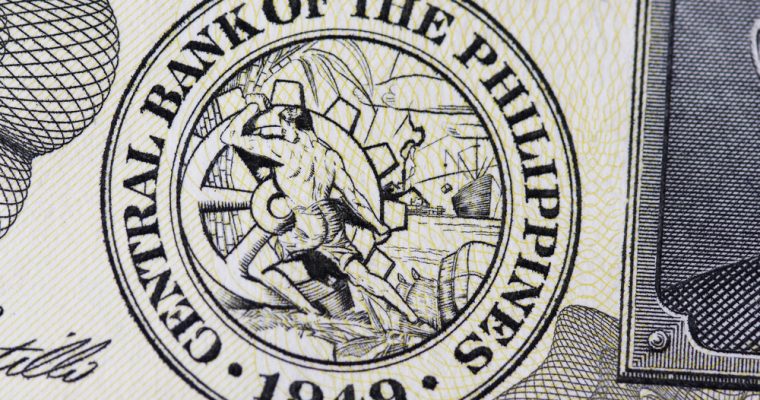
The Bangko Sentral ng Pilipinas (BSP) has approved the accreditation of two new virtual currency exchanges, bringing the total number of regulated crypto exchanges in the country to five.

In a statement released by Deputy Governor Chuchi G. Fonacier, the BSP announced that it has granted operating approval to Virtual Currency Philippines, Inc. and ETranss to carry out conversion of Philippine pesos (PHP) into virtual digital currencies.

Pinoy Cryptocurrency Boom

The Philippines has attracted a measure of attention for its unique approach to the cryptocurrency boom. Rather than crack down on crypto trading or send out mixed signals as is the case in much of the developing world, the BSP has consistently adopted a progressive policy direction, recognizing that cryptocurrencies offer huge advantages to Filipinos, particularly in terms of accessing cheap credit and enabling cheaper and faster remittances from abroad.

CCN previously reported that the most popular crypto app in the Philippines, Coins.ph now has a user base of more than five million people, with more than a million users on its Android application alone. This app has achieved wild popularity by providing a range of transaction and credit options including mobile payments, bill settlements and short term unsecured loan facilities.

Importantly, it also provides fast and cheap remittance services, which is extremely important to the estimated 10.2 million people of Filipino descent who work abroad and sent an estimated $7.8bn home in the first quarter of 2018. Other crypto platforms in the country are keying into the exploding popularity of crypto payments and this has not gone unnoticed by the government.

Philippines bitcoin
Philippine authorities have introduced effective but encouraging regulation for the domestic cryptocurrency industry. Pictured: manila, phillippines 

Earlier in July, CCN also reported that the Cagayan Economic Zone Authority (CEZA), an economic zone in the northern part of the Philippines supported by the government, will embrace up to 25 cryptocurrency exchanges with friendly regulations and tax policies.

The unrivaled enthusiasm for crypto-based innovation at a time when many regulators continue to view it as a competitor, can be traced to the economic knock-on effect it is having on the Philippine economy. Long seen as an ossified economy where people had little choice but to emigrate in search of opportunities, the Philippines is now witnessing a financial industry boom fueled by crypto.

A recent CCN report revealed that crypto exchanges and crypto startups in the country are now consistently outperforming traditional financial institutions and services, with Coins.ph attracting $10 million in funding from Naspers and becoming one of the top 10 most used domestic applications in the country, exceeding the growth rate of financial platforms and other fintech applications.

No doubt sensing an opportunity to give the economy a jolt, the Philippine authorities have become of the most crypto-friendly regulators in the world, quickly giving official recognition to digital assets and legitimizing the crypto sector.

Plans are also in place to provide operating licenses to crypto startups from across Asia and beyond looking to offer ICOs and mine mine cryptocurrency in the Cagayan Economic Zone.

Featured image from Shutterstock.

Follow us on Telegram or subscribe to our newsletter here.
Join CCN’s crypto community for $9.99 per month, click here.
Want exclusive analysis and crypto insights from Hacked.com? Click here.
Open Positions at CCN: Full Time and Part Time Journalists Wanted.

Advertisement


Published at Mon, 09 Jul 2018 11:33:42 +0000

bitcoin Exchange

Previous Article

KSI vs LOGAN PAUL – Behind The Scenes Press Conference!

Next Article

Philippine Central Bank Approves Two New Cryptocurrency Exchanges

You might be interested in …

Cryptocurrency Price Surge Could Lead to Hacked Smart Homes

A security expert says that rising cryptocurrency prices can lead to a surge in cryptojacking of people’s smart homes.


If there’s one thing that movies have educated us on, it’s that there’s always some form of unintended consequences when it comes to new technology. Usually this comes in the form of horrific doom as mankind is wiped out by killer robots or some terrible plague. Yet there are some unforeseen events that can occur as people begin to accept and embrace something that appears initially mundane, such as smart appliances in one’s home. One interesting possibility with some slightly sinister overtones is that a person’s smart home could be attacked via cryptojacking due to the exploding price in bitcoin and other cryptocurrencies.

Increased Tech Means Increased Vulnerability

Technology has become an integral part of our everyday lives, from smart phones to streaming movies at home. The normal person looks to harness the power of technology to make their life easier and more fulfilling, but others look to harness technology to put money in their pockets. While such an attitude isn’t a bad thing on the surface, the method that they use to do so can be. Case in point is people hijacking the tech of others to surreptitiously mine cryptocurrency.

The increasing value of cryptocurrency means that it can be very profitable to mine crypto, especially if you’re not paying for the equipment or power to do so. One common means that illicit miners use is to slip some code onto a website to harness the computers of those visiting the site. A popular choice is the Coin Hive malware that has been found on many sites, including that of the UFC. Without any consent or knowledge, your computer could be tasked to mine for some crypto.

However, such mining hacks don’t end there. Your smart phone may be infected as well. 2017 saw a 34% surge in mobile apps that featured code for mining cryptocurrencies. Even the insanely popular Facebook Messenger app was found to have been infected with a crypto mining hack. Now this illicit mining can even have an impact upon your home.

Home Sweet Home

The latest possible target, according to some security experts, for illicit crypto miners is your smart home. It seems that smart devices can be the target of cryptojacking, where your internet-connected appliances could be used to mine various virtual currencies. Such devices can include light bulbs, cameras, and even thermostats.

The director of advisory services for EMEA at cyber security firm IOActive, Neil Haskins, told The Independent:

Any device that is ‘smart’ now has the three key ingredients to provide the cyber bad guy with everything they need – internet access, power and processing.

I can introduce my crypto-mineware via a compromised mobile phone and start to exploit the processing power of your home devices to mine bitcoin.

The results can be massively higher energy costs for the home owner. The really bad part is that they’re still on the hook for it as the power is being used. The insidious part is that such illicit crypto mining could go on for months without being detected. Who checks to see if their smart refrigerator is being used to mine Monero or some other cryptocurrency?

Haskins says that there are some ways to protect one’s home. He says that consumers should demand a security rating in addition to a smart appliance’s power efficiency. He also adds:

In the meantime, consider the entry point for most cyber bad guys. Generally, this is your desktop, laptop or mobile device. Therefore, ensure you have suitable security products running on these devices, make sure they are patched to the correct levels, and be conscious of the websites you are visiting. If you control the available entry points, you will go a long way to protecting your home.

The bad news is that some crook could cost you a higher energy bill while he makes bank off of your home through cryptojacking your smart devices. On the plus side, at least your smart home won’t be going berserk and trying to kill you like in a horror movie.

How possible is it for the average person to safeguard their smart home from illicit crypto miners? Are you worried about your home? Let us know in the comments below.


Images courtesy of Pixabay and Bitcoinist archives.

The post Cryptocurrency Price Surge Could Lead to Hacked Smart Homes appeared first on Bitcoinist.com.

Why is cryptocurrency called cryptocurrency?

Why is Cryptocurrency Called Cryptocurrency?

Why is Cryptocurrency Called Cryptocurrency? In this video, I answer the following question from one of the students at the live “Blockchain and Cryptocurrency Fundamentals” course at the University of Curacao. “Why is Cryptocurrency Called […]